
Canada News | June 23, 2026 Three Dead in Montreal Shooting, Including Police Officer
A Montreal police officer was killed in a targeted shooting that left three dead; Canada unveiled a $100B+ nuclear renaissance strategy; inflation hit 3.2% — the highest in over two years; and Ontario announced sweeping education reforms mandating exams in nearly all subjects.
Canada News | June 23, 2026 Three Dead in Montreal Shooting, Including Police Officer
📰 Montreal Shooting: Officer, Civilian, and Suspect Among Three Dead; Citywide Shelter-in-Place Issued
On the morning of June 22, a deadly shooting erupted in Montreal's Côte-des-Neiges neighbourhood, leaving three people dead — a Montreal police (SPVM) officer, a civilian, and the gunman. Following the shooting, police issued a citywide shelter-in-place emergency alert that remained in effect for nearly three hours.
The fallen officer was identified as Constable Mohamed Lamine Benredouane, 34, who had served with the SPVM since 2021. Montreal Police Chief Fady Dagher described him as "dedicated to his mission" during a press conference. This marks the first time in more than two decades that a Montreal police officer has been shot and killed in the line of duty.
Quebec's police watchdog, the BEI, has launched an investigation into the incident. Preliminary reports indicate the suspect, armed with a long gun, opened fire on police near a hotel before officers returned fire, killing him. One other officer and one civilian were wounded. The motive remains under investigation, and authorities have not ruled out a targeted attack on police.
— CBC News
⚛️ Canada Launches Nuclear Energy Strategy: Up to 10 New Reactors Planned Within 15 Years
Federal Energy Minister Tim Hodgson officially unveiled Canada's National Nuclear Strategy on June 22, proposing the construction of up to 10 new nuclear reactors over the next 15 years, with at least one located outside Ontario. Government officials estimate the total investment could exceed $100 billion.
Minister Hodgson called it a "nuclear renaissance," with the strategy also including plans to sell Canadian-made Candu reactors to more countries and double uranium exports. He emphasized that with electricity demand surging, Canada must expand reliable and clean power infrastructure to achieve its 2050 net-zero emissions target.
The strategy positions nuclear energy as a critical pillar of Canada's electricity mix. Currently, about 60% of Ontario's electricity comes from nuclear power, but other provinces rely on it far less. The new strategy aims to drive nationwide nuclear development while creating significant export opportunities for Canada's nuclear industry.

— CBC News
📈 Canada's Inflation Rate Jumps to 3.2% in May, Highest in Over Two Years
Statistics Canada reported on June 22 that the annual inflation rate climbed to 3.2% in May, up from 2.8% in April, marking the highest headline inflation reading since December 2023. Gasoline prices surged 33.2% year-over-year, serving as the primary driver of the increase.
Conflict in the Middle East has disrupted oil tanker traffic through the Strait of Hormuz, pushing global oil prices higher. Pump prices in Canada briefly reached their highest level since June 2022. However, with U.S.-Iran peace talks showing progress, oil prices have eased in recent weeks, which may moderate June's inflation reading.
BMO Chief Economist Doug Porter noted that excluding gasoline, core inflation sits at approximately 2.2%, suggesting underlying price pressures remain relatively contained. Most economists expect the Bank of Canada to hold its benchmark interest rate steady at 2.25% in the near term as it balances inflation risks against a weakening economy.

🏫 Ontario Unveils Major Education Reforms: Mandatory Exams in Nearly All Subjects, Attendance Grading This Fall
Ontario Education Minister Paul Calandra announced a series of mandatory reforms for secondary schools across the province starting this fall. Students will be required to write exams in nearly all subjects — including physical education, arts, and technology courses — with exam results counting toward final grades.
In addition, unexcused absences and classroom participation will now factor into grading. The province is also investing $60 million to build a provincewide digital learning platform for all school boards, though teachers will not be required to use it this fall.
These reforms build upon the Putting Student Achievement First Act, 2026, which received Royal Assent in May and aims to strengthen accountability and modernization in education. Calandra said the changes are designed to ensure students acquire essential skills and discipline, though some educators have voiced concerns that the reforms may place excessive pressure on students.

— CBC News
💧 Lead Found in Ottawa School Drinking Water; Parents Forced to Deliver Bottled Water to Classrooms
An investigative report has revealed that multiple schools within the Ottawa-Carleton District School Board (OCDSB) have tested above acceptable limits for lead in their drinking water. Since March, some parents have been forced to wheel cases of bottled water to their children's classrooms every two weeks to ensure safe drinking water.
A March 2026 report by the Canadian Environmental Law Association (CELA) ranked individual schools and school boards nationwide based on the number of tests exceeding allowable lead limits. Ottawa schools featured prominently at the top. While Health Canada has lowered its recommended lead limit in drinking water from 10 ppb to 5 ppb, Ontario remains at the original 10 ppb standard — one of only two provinces, alongside Saskatchewan, that have not adopted the stricter federal guidance.
Crystal Mask, a parent at Fallingbrook Elementary, said she and her husband have delivered eight cases of water to their child's kindergarten classroom since March. The situation has sparked widespread public concern over aging school infrastructure and children's health safety.

🎾 Tennis Canada Announces New Stadium with Retractable Roof in Montreal
Tennis Canada announced on June 23 its plans to build a brand-new centre-court stadium with a retractable roof at Montreal's Jarry Park, as the centerpiece of a major modernization of its facilities. The organization said the project is essential to keep pace with rising standards on the professional tennis tour.
The new stadium will replace the existing centre court, providing all-weather guarantee for ATP and WTA events hosted in Montreal. The current Jarry Park facilities have served as the home of the Montreal Open since the 1990s, but extreme weather has repeatedly disrupted tournament play.
Tennis Canada has not yet disclosed a specific budget or timeline but said it will consult with all levels of government and partners in the coming months. The investment is expected to further enhance Montreal's standing as a host city for international tennis events.

🛡️ Canada Signs $2.5 Billion Radar Deal with Australia, Largest Defence Export in Australian History
Canada has signed a $2.5 billion contract to purchase Australian-designed and developed over-the-horizon radar (OTHR) technology to guard its Arctic region. The deal represents the largest defence export contract in Australia's history.
The radar system, developed by Australia's Defence Science and Technology Group, can detect and track airborne and maritime targets thousands of kilometres away, greatly enhancing Canada's situational awareness in the Arctic. As climate change makes Arctic shipping lanes increasingly navigable, Canada has stepped up its focus on northern security deployment.
The deal also signals deep defence technology cooperation between Canada and its Five Eyes alliance partner. Australia's defence minister said at the signing ceremony that the agreement reflects the strong security partnership between the two nations.

— PS News
🔥 Canada's Wildfire Season Off to Dramatically Slower Start, Area Burned Down 93%
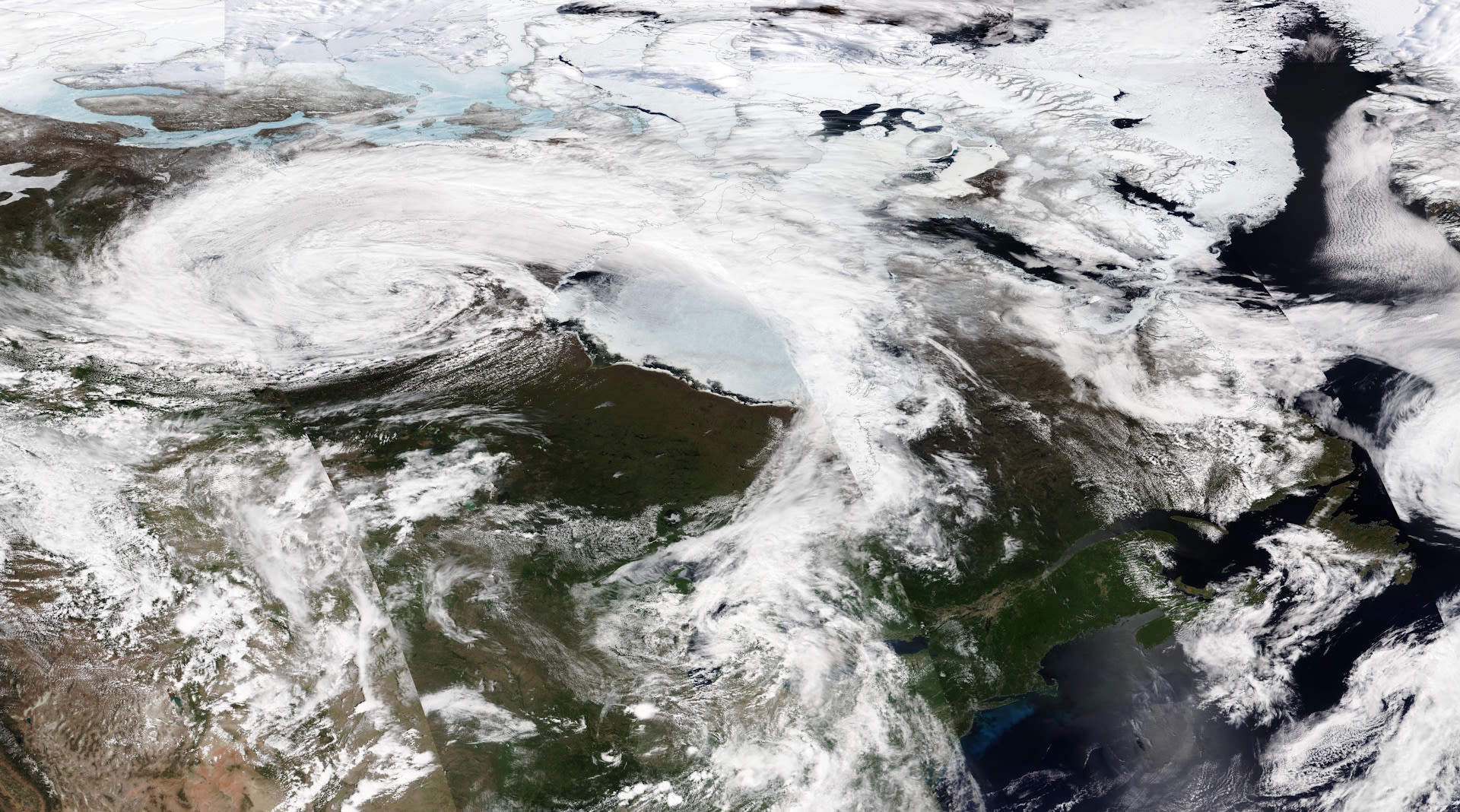
According to The Weather Network, Canada's 2026 wildfire season is off to a markedly slower start. As of June 21, the country has recorded 1,892 wildfires, which combined have burned approximately 167,914 hectares — 93% below the five-year average for this point in the season.
This trend stands in stark contrast to recent years. By the same date last year, over 4 million hectares had already been consumed by wildfires, which also produced massive smoke plumes that affected the U.S. East Coast. This year's relatively mild fire conditions are attributed to cooler spring temperatures and more evenly distributed precipitation.
However, meteorologists caution that wildfire season is only just beginning, with July and August typically being the most active months. As summer heat intensifies, fire danger ratings could escalate rapidly. Provincial fire agencies remain on high alert.
💊 Health Canada Approves First-Ever Sleep Apnea Medication, Zepbound
Health Canada has officially approved Zepbound (tirzepatide) as the first medication in Canada specifically indicated for adults with obesity and moderate-to-severe obstructive sleep apnea (OSA). The decision introduces an entirely new treatment option for a condition that affects millions of Canadians.
Obstructive sleep apnea is a common and serious sleep disorder in which breathing repeatedly stops and starts during sleep, leading to nighttime oxygen deprivation and fragmented sleep, which can contribute to cardiovascular disease over the long term. The primary treatment to date has been continuous positive airway pressure (CPAP) therapy, but many patients struggle to tolerate the devices.
Zepbound works by promoting weight loss and improving metabolic function to alleviate sleep apnea symptoms. Clinical trials demonstrated significant improvements in both body weight reduction and apnea-hypopnea index scores. The medical community views this approval as marking a new era in sleep apnea treatment, moving beyond device-only therapy to pharmacological intervention.

— CTV News
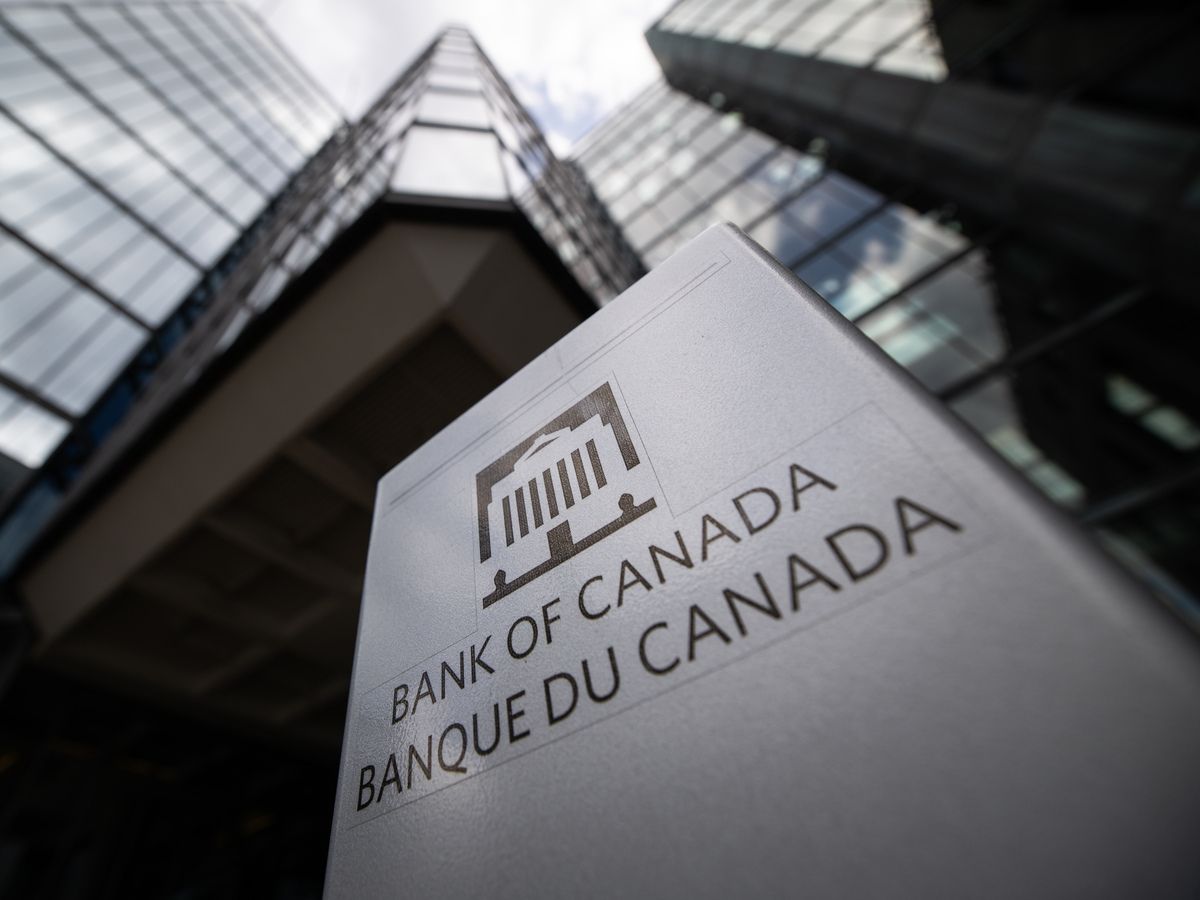
🏦 Bank of Canada Holds Rate Steady as 33% Gas Inflation Masks Weak Economy
The Bank of Canada held its benchmark interest rate steady at 2.25% in its latest decision, with economists broadly agreeing that while May's headline inflation reading is concerning, the central bank's stance reflects deeper worries about economic fundamentals. Canada has now recorded two consecutive quarters of negative GDP growth, meeting the technical definition of a recession.
Economists note that the 33% annual surge in gasoline prices is the primary culprit behind elevated inflation, but core inflation excluding gasoline sits at approximately 2.2% — much closer to the central bank's target range. Meanwhile, labour and housing markets showed tentative signs of recovery in May, though the overall pace of economic recovery remains insufficient.
BMO Chief Economist Doug Porter characterized Canada's situation as a "stagflationary" dilemma — high inflation coupled with a weak economy — leaving the central bank with severely constrained policy options. Most analysts expect the Bank of Canada to remain on hold in the coming months, awaiting more definitive data on the economy's trajectory.
Comments (0)
View More
 -31%
-31%Energizer CR2450 3V Lithium Coin Battery, 2 Pack — 10-Year Shelf Life! $6.94 CAD (31% Off)
 -48%
-48%WD_BLACK SN850P 2TB NVMe SSD with Heatsink (Officially Licensed for PS5) — 7,000MB/s Reads to Expand Your Console! $529.99 CAD (48% Off)
 -35%
-35%LEGO Disney Moana 2 Kakamora Barge 43258 — 572 Pieces, 9 Characters! $84.97 CAD (35% Off)
 -17%
-17%Apple AirPods 4 — H2 Chip, Personalized Spatial Audio, 30-Hour Battery! $149.99 CAD (17% Off)
 Global Express
Global Express | September 21, 2026 Trump threatens to 'blow up' Iran as Tehran warns of 'painful strikes'
 Tech Express
Tech Express | September 21, 2026 — Nvidia's Jensen Huang Rejects "AI Doom" Warnings
-31%Energizer CR2450 3V Lithium Coin Battery, 2 Pack — 10-Year Shelf Life! $6.94 CAD (31% Off)
Amazon
-48%WD_BLACK SN850P 2TB NVMe SSD with Heatsink (Officially Licensed for PS5) — 7,000MB/s Reads to Expand Your Console! $529.99 CAD (48% Off)
Best Buy
-35%LEGO Disney Moana 2 Kakamora Barge 43258 — 572 Pieces, 9 Characters! $84.97 CAD (35% Off)
Amazon
-17%Apple AirPods 4 — H2 Chip, Personalized Spatial Audio, 30-Hour Battery! $149.99 CAD (17% Off)
Amazon
Global ExpressGlobal Express | September 21, 2026 Trump threatens to 'blow up' Iran as Tehran warns of 'painful strikes'
Tech Express