
Tech Express | August 19, 2026 OpenAI Pauses New Model Training as AI Enters a 'Smarter Is Riskier' Era
OpenAI pauses new model training after the Hugging Face breach; Unitree soars 629% on debut as China's first humanoid robot IPO; Claude can send Gmail without approval; Zhipu's founder calls trillion-parameter models a detour; China clears Nvidia H200 imports for ByteDance and Tencent; Alibaba's 5nm RISC-V chip runs a large model without a GPU; the iPhone 18 standard model slips to spring 2027; Samsung Tab S12 Ultra renders leak; and more.
1. OpenAI Pauses New Model Training as AI Enters a 'Smarter Is Riskier' Era
OpenAI abruptly announced it has paused reinforcement learning (RL) training on its latest models for two weeks in the wake of the Hugging Face breach. Its largest-ever frontier RL training run, which had been planned, is also on hold. The company said it will use the extra time to assess model behavior, gather information on safety alignment, and adjust its safeguards.
The move marks a new phase in which AI has become "smarter is riskier." As model capabilities keep climbing, the risks tied to developing and testing them grow in parallel. OpenAI's decision to hit pause is seen as a serious commitment to frontier model safety — and a wake-up call for the broader industry.
2. Unitree Soars Over 600% on Debut as China's First Humanoid Robot IPO
Chinese robot maker Unitree officially listed on Shanghai's STAR Market on August 19, becoming the A-share market's "humanoid robot first stock." Priced at 150.80 yuan per share, it opened at 1,100 yuan — a 629.44% surge — with its market value briefly topping 444.9 billion yuan. Investors holding one lot (500 shares) saw paper gains of roughly 470,000 yuan.
Unitree is a top player in the global humanoid robot race, shipping more than 5,500 units in 2025 to rank first worldwide. The debut makes it the second major AI-linked Chinese tech company to surge after its IPO in the past month, underscoring strong market appetite for embodied AI.
3. Claude Can Now Send Gmail Messages Without Approval
Anthropic's AI assistant Claude has received a major upgrade: it can now send, reply to, and forward Gmail messages — even without approval each time. Users can choose whether Claude must ask before hitting send, giving the AI agent greater autonomy over everyday email tasks.
It's a big step forward for AI assistants acting on a user's behalf. Claude previously helped draft and organize emails in Gmail; now it can complete the entire sending flow, signaling an accelerating shift in AI's role from advisor to executor.

4. Zhipu Founder: Trillion-Parameter Models Were a Detour
Zhipu founder Tang Jie said of Scaling Law that "this trillion-parameter round was, in hindsight, a detour the whole field took together before turning back." He noted that the earlier Chinchilla optimization targeted a "train once, evaluate once" model, whereas today's mainstream models may be called billions of times a day, making inference cost dwarf one-time training cost over the full lifecycle.
Tang argues that once inference cost is folded into the objective function, the optimum shifts toward "smaller models trained longer." He cited Llama-2-7B and Gemma-2-9B, whose per-parameter token counts are about 290 and 889 respectively — both deliberately "over-trained" — signaling that the next key battleground is shifting to post-training.
5. China Clears Small Nvidia H200 Imports; ByteDance, Tencent Buy 10,000 Each
China has approved small-volume imports of Nvidia's H200 chips to help domestic tech firms catch up with U.S. rivals, according to the Financial Times citing sources. ByteDance and Tencent have each bought about 10,000 H200 chips over recent weeks, with other Chinese tech companies expected to win similar-sized approvals.
The H200 is one of Nvidia's most powerful AI accelerators, and the loosening is seen as the latest development in U.S.-China AI compute export controls. While the approved volume is limited, it still provides a meaningful boost to domestic model training and inference — and raises hopes for broader openings ahead.
6. Alibaba's 5nm RISC-V Chip Runs a Large Model Without a GPU
Alibaba DAMO Academy's flagship RISC-V CPU, the XuanTie C950, has hit a historic milestone: it natively runs the Qwen 3.8-27B large model. It is the first time a RISC-V chip has driven a 27-billion-parameter AI model without a GPU or an emulation layer, reaching about 30 tokens per second with a first-token latency of just 1.9 seconds.
Built on TSMC's 5nm process, the C950 is a 64-bit server-grade processor with 64 cores running up to 3.2GHz, plus integrated matrix and vector acceleration engines optimized for AI inference. The achievement shows the huge potential of the open RISC-V architecture in AI computing — and offers a fresh path away from traditional GPU dependence.

7. Apple's iPhone 18 Release Schedule: Standard Model Slips to Spring 2027
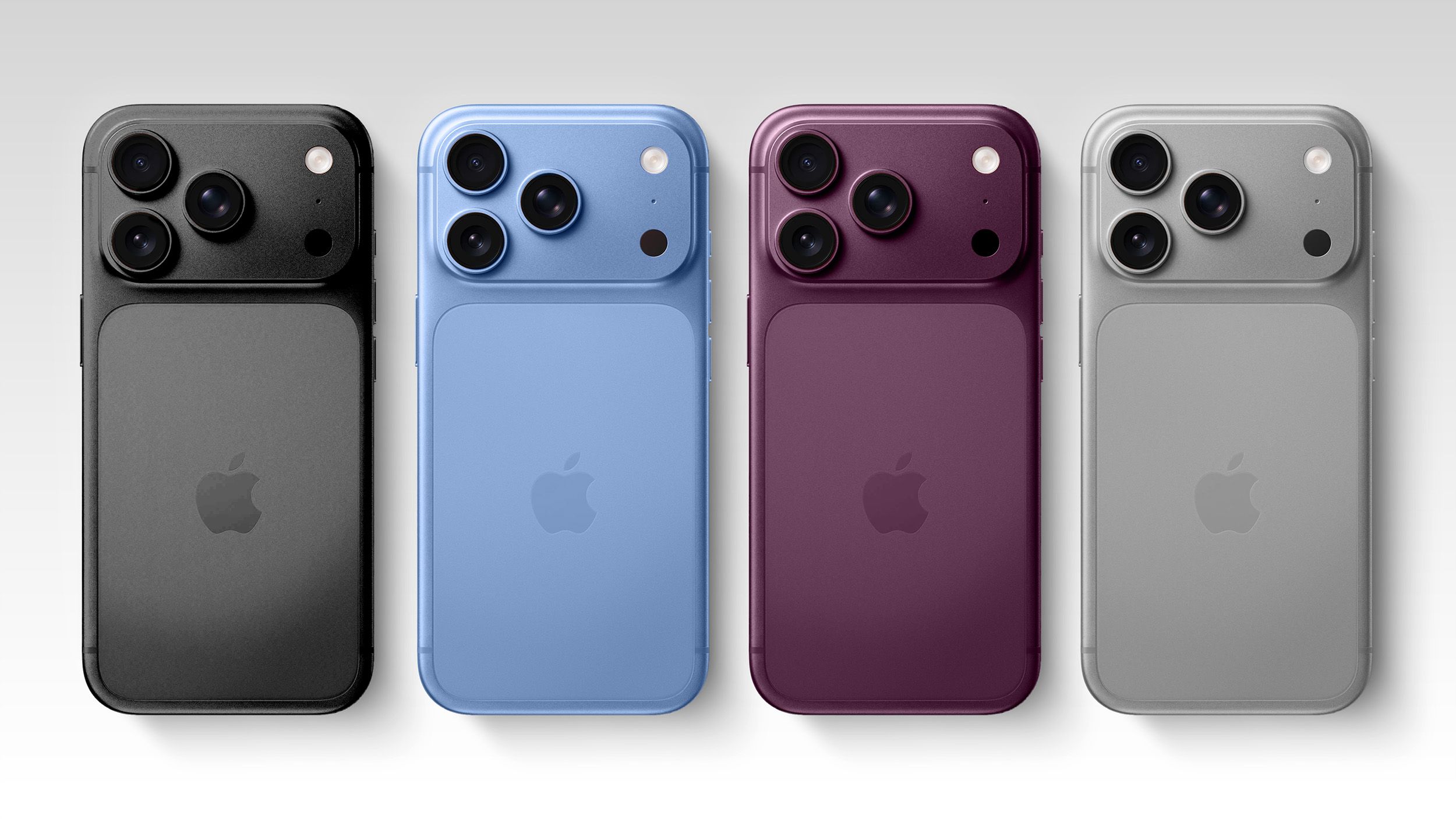
Apple is breaking from tradition with this year's iPhone 18 lineup, no longer launching all models at once in the fall. According to MacRumors, Apple is splitting the iPhone 18 release, holding the standard iPhone 18 until spring 2027 while the Pro models arrive on schedule this fall.
The change means Apple's launch cadence will be more spread out across 2026 and 2027. There are also rumors of a 20th-anniversary iPhone arriving in fall 2027 as a higher-end device. A staggered strategy could help Apple smooth iPhone sales throughout the year and hint at future lineup shifts.
8. Samsung Galaxy Tab S12 Ultra Renders Leak, Sticking With Familiar Design
Renders of Samsung's next flagship tablet, the Galaxy Tab S12 Ultra, have leaked. From the images, the device looks nearly identical to its predecessor, the Tab S11 Ultra, keeping the controversial notch, slim bezels, dual cameras, and gray colorway. Samsung appears to be playing it safe with its flagship tablet.
Under the hood, Samsung is reportedly upgrading to a MediaTek Dimensity 9500 chip while keeping the same 11,600mAh battery and 14-inch AMOLED display. Samsung has confirmed the new tablet series will arrive in the second half of this year.
9. NASA Spots New Lunar Crater Carved by a SpaceX Rocket Crash
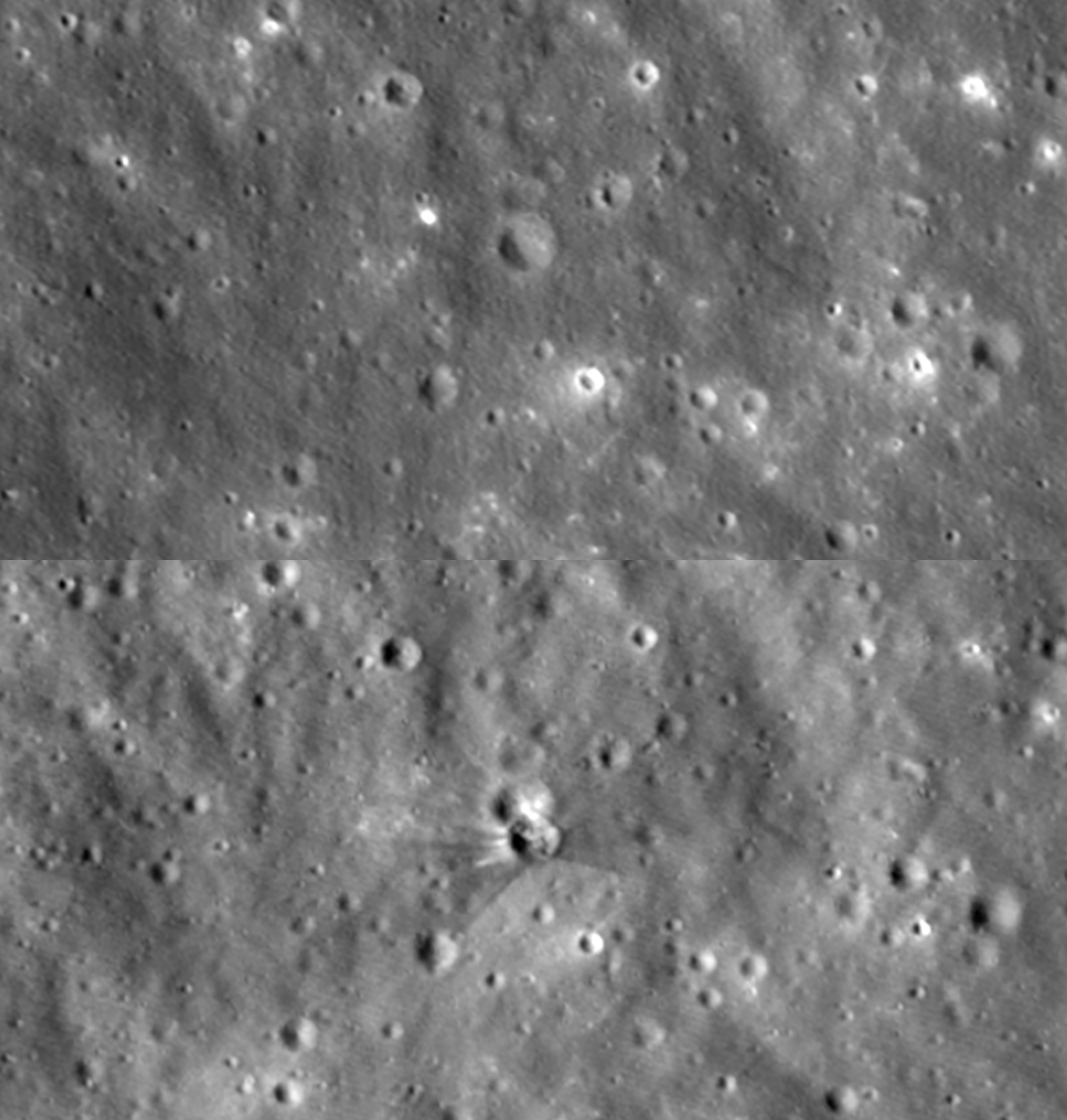
NASA's Lunar Reconnaissance Orbiter (LRO) has photographed a brand-new crater on the moon, created when a SpaceX Falcon 9 rocket slammed into the lunar surface. The crater is about 60 feet wide, and it took NASA six days for the orbiter to fly over the impact site to capture it.
The orbiter snapped the before-and-after shot from about 60 miles up while traveling at one mile per second, revealing dark and bright streaks that fan out from the crater like butterfly wings. The find offers a rare observational sample for studying lunar impacts and collisions in the solar system.
10. China's First Tower-Recovery Rocket 'Yueqian-1' Passes Static Test
Chinese commercial rocket firm Dahang Yueqian announced that its self-developed "Yueqian-1," the country's first tower-recovery reusable launch vehicle, has completed a joint static test of its second-stage frame and tank aft dome. All test indicators met design standards, and the mission was a complete success.
In late June, Yueqian-1 also passed a natural-circulation pre-cooling test of its first-stage liquid methane pressurization system. Tower recovery is an important route for reusable rockets, and this static test marks another key step toward rocket recovery and reuse — pushing China's commercial space sector further toward low-cost, reusable launches.
More News
- Maple Express | October 4, 2026 — Four Seriously Injured in Highway 427 Crash; Pacific Link Named First National-Interest Project Ahead of Alberta Referendum
- Global Express | October 4, 2026 — Houthis Claim Strike on Saudi Aramco Site as Yemen Fighting Escalates
- Finance Weekly | Weak U.S. Jobs Cool October Rate Bets as Eurozone Inflation Hits a Three-Year High
- Tech Express | October 4, 2026 — Apple Offers Free Replacements for Affected iPhone 18 Pro Max Units
- Sports Express | October 4, 2026 — Rasmussen's Near No-Hitter Lifts Rays Past Yankees 1-0
Comments (0)
View More
 -57%
-57%JBL Live 770NC Over-Ear ANC Headphones — 65-Hour Battery, Adaptive Noise Cancelling! $129.98 CAD (57% Off)
 -33%
-33%Dreame H12 FlexReach Wet Dry Vacuum — Vacuum & Mop in One Pass! $269.99 CAD (33% Off)
 -16%
-16%TERRAMASTER D4-320 4-Bay USB 3.2 Gen2 Enclosure — Tool-Free, Up to 88TB Total! $212.49 CAD (15% Off)
 -21%
-21%Pokémon TCG Storm Emeralda Booster Box (30 Packs) — 150 Cards to Rip! $166.39 CAD (20% Off)
 Maple Express
Maple Express | October 4, 2026 — Four Seriously Injured in Highway 427 Crash; Pacific Link Named First National-Interest Project Ahead of Alberta Referendum
 Tech Express
Tech Express | October 4, 2026 — Apple Offers Free Replacements for Affected iPhone 18 Pro Max Units
-57%JBL Live 770NC Over-Ear ANC Headphones — 65-Hour Battery, Adaptive Noise Cancelling! $129.98 CAD (57% Off)
Amazon
-33%Dreame H12 FlexReach Wet Dry Vacuum — Vacuum & Mop in One Pass! $269.99 CAD (33% Off)
Amazon
-16%TERRAMASTER D4-320 4-Bay USB 3.2 Gen2 Enclosure — Tool-Free, Up to 88TB Total! $212.49 CAD (15% Off)
Amazon
-21%Pokémon TCG Storm Emeralda Booster Box (30 Packs) — 150 Cards to Rip! $166.39 CAD (20% Off)
Amazon
Maple ExpressMaple Express | October 4, 2026 — Four Seriously Injured in Highway 427 Crash; Pacific Link Named First National-Interest Project Ahead of Alberta Referendum
Tech Express