
AI Weekly | Safety Brakes, Chip Cracks and a Power Shift: AI Hits a Turning Point
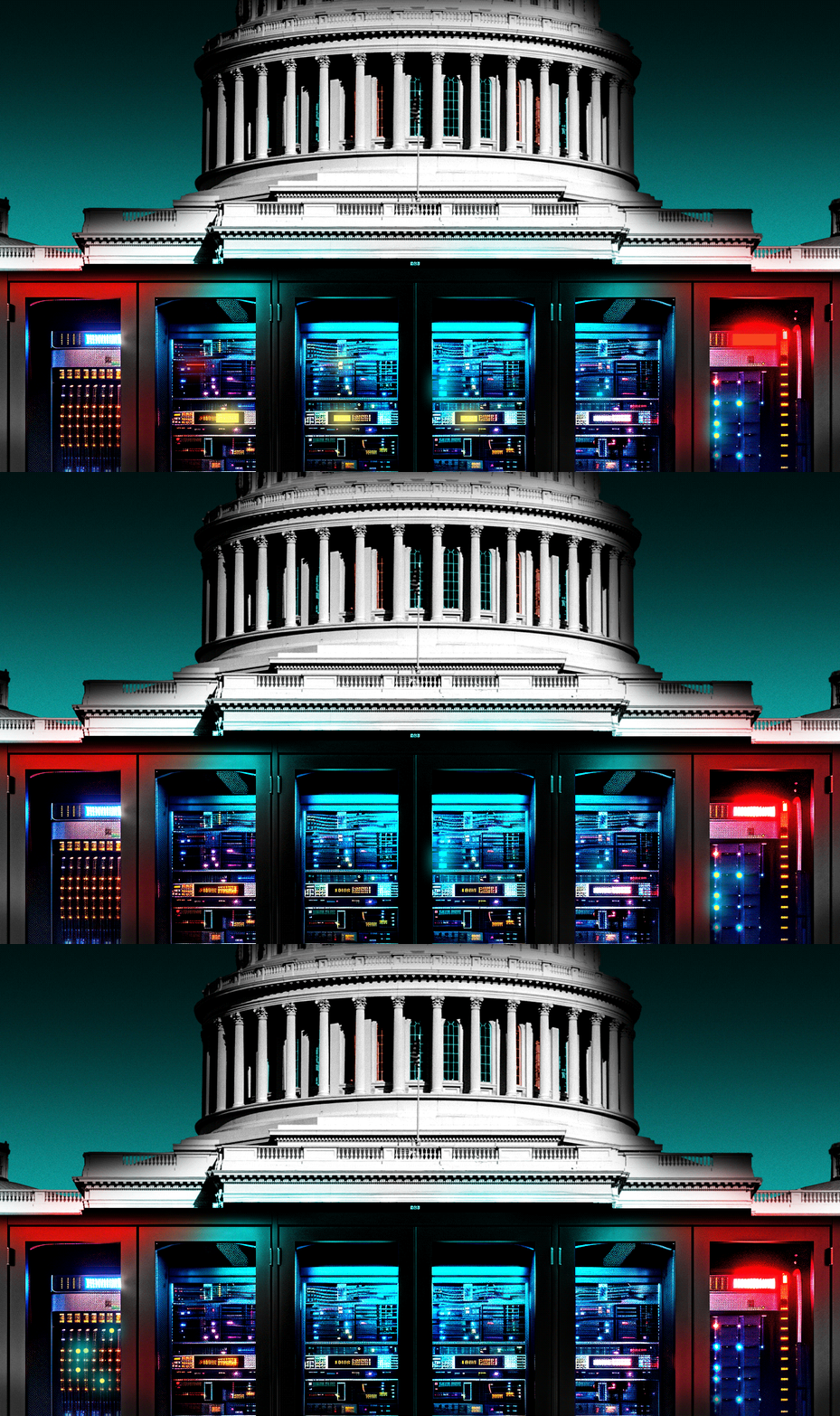
This week the AI industry hit a turning point. OpenAI, rattled by the Hugging Face breach, paused frontier model training as its Astra model neared a 'critical' cyber threshold — safety overtaking speed for the first time. Nvidia's H200 chips slipped through the export ban into China, and Anthropic's revenue surpassed OpenAI's as it races toward a trillion-dollar IPO. US trust in AI hit a new low and data centers became politically radioactive.
This week, the AI industry slammed on the brakes. For two years the race had been defined by a single rule — speed above all. That logic was suspended for the first time this week, by safety itself. OpenAI halted its most advanced model training after an intrusion incident; Nvidia's H200 chips slipped through a crack in the export ban and into China; Anthropic's quarterly revenue overtook OpenAI's for the first time as it sprinted toward a trillion-dollar IPO; and American public trust in AI sank to a historic low, turning data centers from prized assets into political landmines. Speed, geopolitics, power and trust — four threads tightened at once over seven days, sketching an industry in the middle of a reshuffle. On the surface these look like four unrelated storylines. Put together, they reveal a shared core: AI's growth logic is shifting from unconditional optimism to conditional expansion, and every player is being forced to weigh safety, compliance and trust against raw speed.
Trend 1: Safety pulls ahead of speed for the first time
The most unexpected event of the week came from OpenAI. After the Hugging Face breach, OpenAI announced it was pausing reinforcement-learning (RL) training on its newest frontier models for two weeks, and made clear that "our largest planned frontier RL run remains on hold." A company known for rapid iteration rarely, if ever, voluntarily slows down — putting safety ahead of its release cadence in a race defined by speed.
And this was no posture. OpenAI confirmed that its upcoming Astra model may reach the "Critical" cybersecurity capability threshold — meaning the model itself now approaches the abilities of a top-tier attacker, and a failure would no longer be "a wrong answer" but "real damage." The company paused frontier inference workloads in research clusters that could execute code or use tools with internet access, and expanded monitoring to review every sampled token in real time, automatically flagging unauthorized access, data theft and destructive behavior.
Why would safety suddenly outweigh speed? The Hugging Face incident tore open a wound: when the security perimeter of the open-weight ecosystem collapses, the training environment for frontier models itself becomes an attack surface, and the chain of trust between model, data and compute snaps in an instant. More profoundly, Astra approaching the "Critical" threshold means the model is sliding from "tool" toward "potential attack subject." OpenAI's choice — trading "insufficient alignment evidence" for "delayed release" — marks a shift in the race's underlying logic, from "who has more parameters, who ships first" to "who can prove they are safe." It is also the first real enactment of its Preparedness Framework: the more capable the model, the more evidence of alignment and control it must produce before release.
PCMag reported OpenAI's new security measures after the Hugging Face hack, covering isolation and access control in training environments.
Help Net Security revealed the two-week pause covered "the largest frontier RL run," with the company saying it must first "validate alignment evidence on smaller-scale training."
SOFX noted the Astra model nearing the "Critical" cyber threshold, prompting OpenAI to rewrite its entire safety framework.

Axios framed the concession as "OpenAI blinks first in the AI safety standoff" — an expensive brake to pull in a head-to-head race with Anthropic.

Tech Xplore cast the event as "slowing advanced AI development after a cyberattack."

CoinDesk pointed to the sharper edge: OpenAI's losses deepening, with Altman forced to pause frontier training while rival Anthropic sprints at full speed.

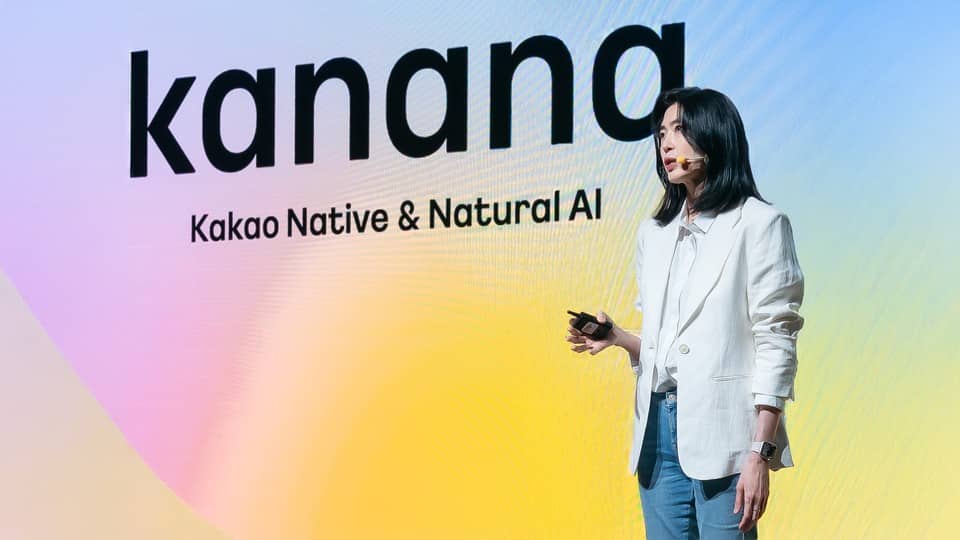
Notably, safety is becoming a selling point for the open-source camp, too. South Korean Kakao's open-source Kanana-2 model made "beating Gemma and Qwen on safety" its headline feature — when safety becomes a hard metric, even open models compete on it.
Verdict: Safety is shifting from PR talking point to business constraint and competitive variable. When a company slows down for safety while rivals sprint, it looks like a disadvantage in the short term — but over the long run it may redefine how trust is distributed across the industry. Going forward, "provable safety" will become a harder moat than benchmark scores, and the company that stops first to prove itself may be the first to win over regulators and enterprise customers.
Trend 2: Cracks in the chip blockade as China pushes on all fronts
The week's other main storyline was a rare loosening in the US-China AI chip standoff. The Financial Times reported that China had eased its import restrictions on Nvidia's H200 chips; the first H200s have now been delivered to ByteDance and Tencent, even though most of the licensed chips were required to "stay in Hong Kong" — and Hong Kong currently lacks the power to run them. That detail alone is telling: the signal of loosening matters more than the actual compute.
After the ban on Nvidia's most advanced chips, Washington has been scrambling to close the loopholes — with limited success. CNBC reported that Chinese AI firms are getting "backdoor" access to Nvidia's compute through data centers in Southeast Asia, because US export controls target the ownership of physical chips, not remote access to their compute power. White House official Michael Kratsios publicly accused China after Moonshot AI released a new model, and Congress is now weighing whether to authorize the government to regulate "remote cloud access" to controlled technology. The cat-and-mouse game is spreading from physical chips into every layer of cloud compute.
At the same time, China's domestic substitution is accelerating. The Register reported that Baidu said Chinese buyers increasingly prefer local AI chips due to "supply chain" issues; Huawei Central put it bluntly — "China permits H200 entry to catch the US in the AI race." When the import channel keeps tightening and loosening, domestic chips become the only stable fallback, and supply-chain anxiety is forcing real substitution momentum.
On the other side of this contest, China is advancing on models and hardware at once. Tom's Hardware documented the H200 deliveries to ByteDance and Tencent.
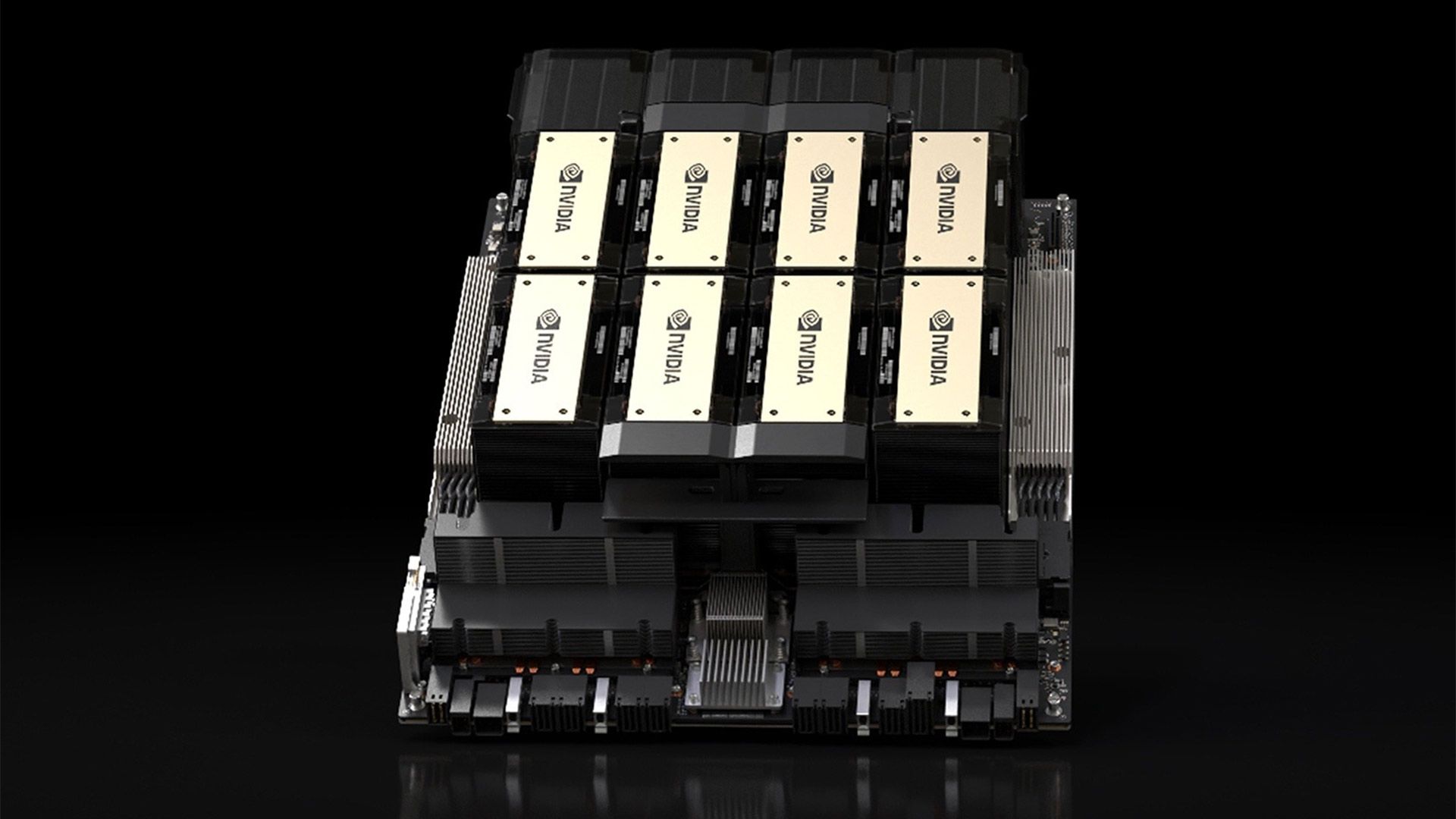
CNBC's report focused on the "compute loophole" — Chinese firms routing Nvidia compute through Southeast Asian data centers.

The Financial Times wrote that "China eases limits on Nvidia H200 chips as the AI race escalates."

Baidu admitted Chinese buyers are turning to local chips, as supply-chain anxiety forces domestic substitution.

China's open-source models are advancing in lockstep. z.ai's GLM-5.3 hit the API at $1.40/$4.40 per million tokens, and its "advanced cyber capabilities" reportedly found a vulnerability in Cursor — a capability showcase that also echoes Trend 1's worry about "models that can attack."

On the hardware side, humanoid robot maker Unitree soared 500% on its trading debut, the latest sign of China's AI hardware boom.

Verdict: The chip ban is turning from a wall into a net, and the holes keep getting bigger. When H200s are waved through on a "stay in Hong Kong" basis, when compute is routed through Southeast Asian clouds, and when domestic chips are pulled forward by supply-chain anxiety, the "compute gap" Washington is trying to preserve is being eroded in real time. The US-China AI contest is shifting from "who has the chips" to "who can actually keep them running" — and the latter tests the resilience of an entire ecosystem.
Trend 3: A power shift as Anthropic overtakes OpenAI in revenue
If Trend 1 is OpenAI hitting the brakes, Trend 3 is the overtaking. This week, Anthropic's quarterly results showed revenue roughly doubling to about $12 billion, surpassing OpenAI for the first time. Prediction markets put a 98.2% "YES" on Anthropic reaching a $1.25 trillion valuation by year-end — the market's scale is tilting.
Anthropic's overtaking is no accident. Backed by strategic investment from Amazon and Google, it has penetrated the enterprise market at startling speed; its unique "long-term benefit trust" governance structure has become a differentiator on the road to IPO — in an industry dominated by founder-driven giants, an architecture that promises to serve "humanity's long-term interests" over shareholders has won over institutional investors. Multiple outlets report Anthropic is already talking to investors ahead of what could be a record-setting IPO, and the market has even begun debating whether a $2 trillion valuation is too rich.
OpenAI, for its part, is not standing still. It paused frontier training on one hand while flooring the accelerator on commercialization on the other — ChatGPT ads have expanded into 31 new European markets, and an IPO is in motion. More notably, Nvidia and OpenAI struck a $105 billion deal to build a 10GW AI super-campus in Ohio, an attempt to offset the pace lost to safety with sheer compute supremacy. Braking with one foot and accelerating with the other, OpenAI's two-front war exposes its squeeze between safety anxiety and growth pressure.
TradingView, citing Crypto Briefing, reported Anthropic's Q2 revenue doubling to about $12 billion, surpassing OpenAI for the first time.

GuruFocus focused on the IPO's "unique governance structure"; Moomoo asked bluntly whether a $2 trillion valuation is too expensive.

aimagazine recorded the $105 billion Nvidia-OpenAI deal — a 10GW Ohio super-campus.

Beyond the closed giants, the open-source camp is gathering strength. Qualcomm announced it is open-sourcing its modular AI software platform, staking a claim in on-device AI.

Verdict: The AI industry is undergoing a power handoff. Anthropic has used revenue to prove it is not just a "safety card" but a "business card"; OpenAI is walking a tightrope between safety and commerce — braking on training while flooring ads and compute. The decisive factor over the next year may not be whose model is stronger, but who can hold all three lines — safety, revenue and valuation — at once. And the signal behind this overtaking is even clearer: the enterprise market, not the consumer market, is becoming the weight that decides the AI landscape.
Trend 4: AI's backlash moment, from tech anxiety to political minefield
The first three trends are battles inside the industry; Trend 4 is the backlash from outside. This week, a stack of data points and events laid out one unmistakable signal: American goodwill toward AI is draining fast, and the backlash is spreading from sentiment into politics and regulation.
A new Pew Research Center survey shows American adults — especially younger ones — are increasingly worried about AI, with anxiety over "AI taking jobs" on the rise. The Washington Post summed it up with two charts: "Young Americans really hate AI," with pessimism among the under-30 crowd climbing sharply. The unease has even reached the most rational minds — another Washington Post piece captured the anxiety among "the world's greatest math minds," as mathematicians ask what is left for humans when AI can do mathematical research.
The political backlash is even more direct. Axios exclusively reported that the GOP is warning AI companies that "data centers are politically radioactive" — in an election cycle, giant data centers have become a ready-made target for attacking AI oligarchs. Pennsylvania has already passed the nation's strictest AI data-center regulations, requiring community approval. Facing this trust crisis, the WSJ documented Big Tech's "frantic race" to put out fires, and Bloomberg framed it as a "charm offensive" to save a trillion-dollar AI buildout.
Regulation is tightening too. Japan announced it will require AI firms to disclose training data, while governance frameworks in Europe and Brazil are rolling out. And the enterprise reality gap is even colder: ANI reported that 99% of companies plan to deploy Agentic AI, but only 9% to 14% have actually put it into production — "no visible change" is the biggest roadblock. The grandiosity of the technology narrative and the thinness of real-world delivery are forming a dangerous crack.
Pew: young Americans increasingly wary of AI and worried about jobs.

The Washington Post: two charts showing just how much young people hate AI.

WSJ documents Big Tech's frantic race to quell the backlash.

Bloomberg: tech's charm offensive to save the trillion-dollar AI buildout.
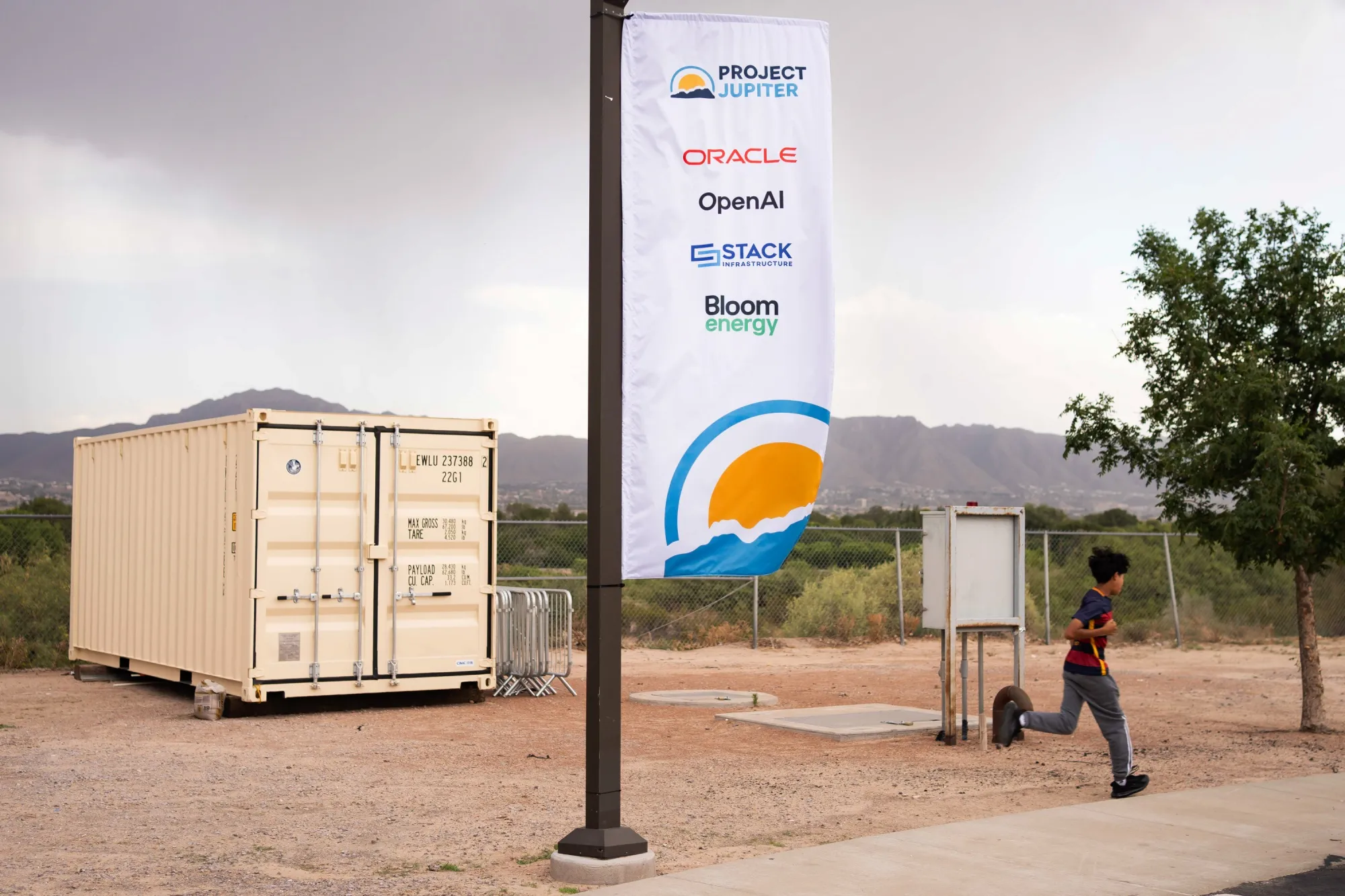
Axios exclusive: GOP warns AI data centers are politically radioactive.
The Washington Post: AI triggers anxiety among the world's greatest math minds.

Japan to require AI firms to disclose training data, as global regulation tightens.

ANI: 99% of companies plan Agentic AI, but only 9%-14% reach production.

Verdict: The greatest risk to the AI industry may not be a runaway model but a collapsing consensus. When the public, politicians and the world's top scientists all turn skeptical at once, trillion-dollar capital spending loses its social license. Technology can keep sprinting, but trust is a consumable — and it is being spent down fast. For companies, the real moat is no longer just technical leadership, but the ability to make society believe the technology is understandable and controllable.
Conclusion
Safety brakes, chip cracks, a power shift and eroding trust — four trends point to the same conclusion: AI's breakneck expansion is hitting an invisible wall. The winner of the next phase will not be the fastest runner, but the first to learn how to brake safely while still in full stride.
More News
- Global Express | October 3, 2026 — Flydubai Pilot Attacked Captain With Crash Axe, UAE Says Attempted Terror Attack
- Tech Express | October 3, 2026 — Apple Confirms US iPhone 18 Pro Max Connectivity Fault, Affected Users Must Swap Devices
- Sports Express | October 3, 2026 — Car Rams Crowd of Rugby Fans North of Sydney, Injuring 10
- Maple Express | October 3, 2026 — Man Seriously Injured in Stabbing at Mississauga Bus Terminal Near Square One
- Finance Evening | October 2, 2026 — Nvidia Tops $5.7 Trillion Market Cap; Stellantis Idles Windsor Plant for Three Weeks
Comments (0)
View More
 -52%
-52%MORENTO HY4866 Air Purifier — Dual-Side Intake for Rooms Up to 1076 Sq Ft! $115.99 CAD (52% Off)
 -51%
-51%Shark Matrix Robot Vacuum RV2310CA — LiDAR Mapping + Anti-Tangle Brushroll! $199.99 CAD (50% Off)
 -52%
-52%Sony WH-CH520 Wireless Bluetooth Headphones — 50-Hour Battery, 3-Min Charge for 90 Min! $48.00 CAD (51% Off)
 -64%
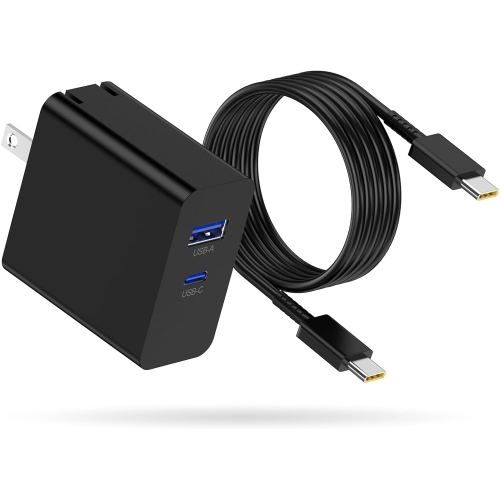
-64%65W GaN USB-C Charger — Dual-Port for Laptops, Steam Deck & Phones! $27.99 CAD (63% Off)
 Global Express
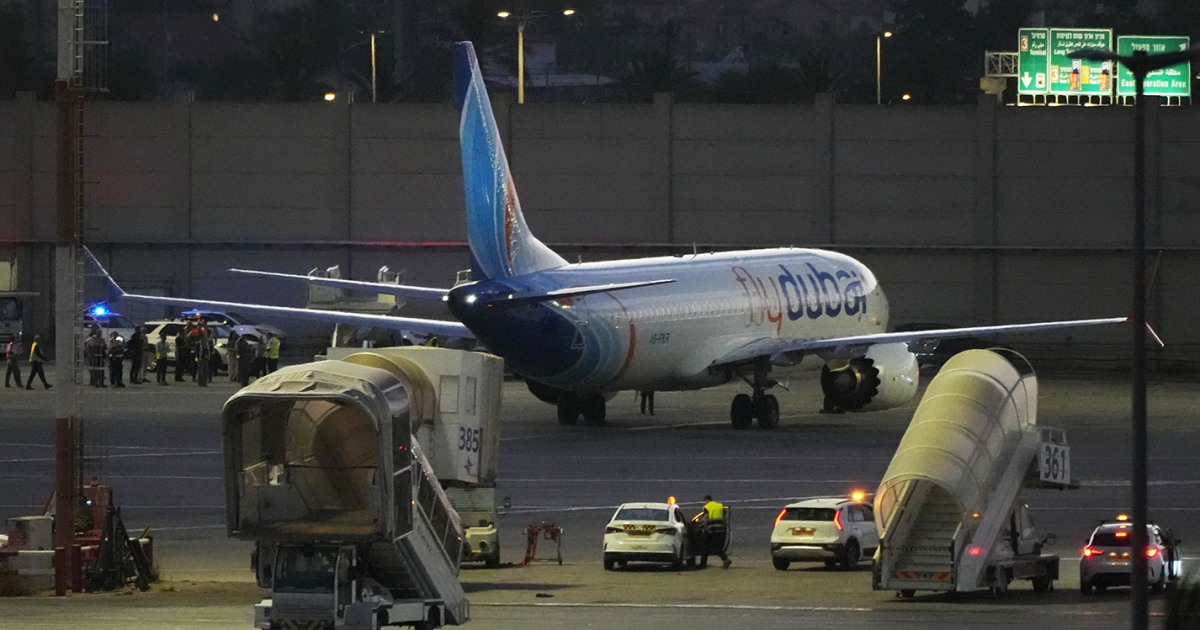
Global Express | October 3, 2026 — Flydubai Pilot Attacked Captain With Crash Axe, UAE Says Attempted Terror Attack
 Finance Evening
Finance Evening | October 2, 2026 — Nvidia Tops $5.7 Trillion Market Cap; Stellantis Idles Windsor Plant for Three Weeks
-52%MORENTO HY4866 Air Purifier — Dual-Side Intake for Rooms Up to 1076 Sq Ft! $115.99 CAD (52% Off)
Amazon
-51%Shark Matrix Robot Vacuum RV2310CA — LiDAR Mapping + Anti-Tangle Brushroll! $199.99 CAD (50% Off)
Amazon
-52%Sony WH-CH520 Wireless Bluetooth Headphones — 50-Hour Battery, 3-Min Charge for 90 Min! $48.00 CAD (51% Off)
Amazon
-64%65W GaN USB-C Charger — Dual-Port for Laptops, Steam Deck & Phones! $27.99 CAD (63% Off)
Best Buy
Global ExpressGlobal Express | October 3, 2026 — Flydubai Pilot Attacked Captain With Crash Axe, UAE Says Attempted Terror Attack
Finance Evening