Three Canadians Self-Isolating After Hantavirus Cruise Ship Outbreak, Health Officials Say Public Risk Remains Low
Three Canadians are self-isolating in Ontario and Quebec after a deadly hantavirus outbreak aboard a cruise ship. Health officials say the public risk remains low.
Three Canadians Self-Isolating After Hantavirus Cruise Ship Outbreak, Health Officials Say Public Risk Remains Low
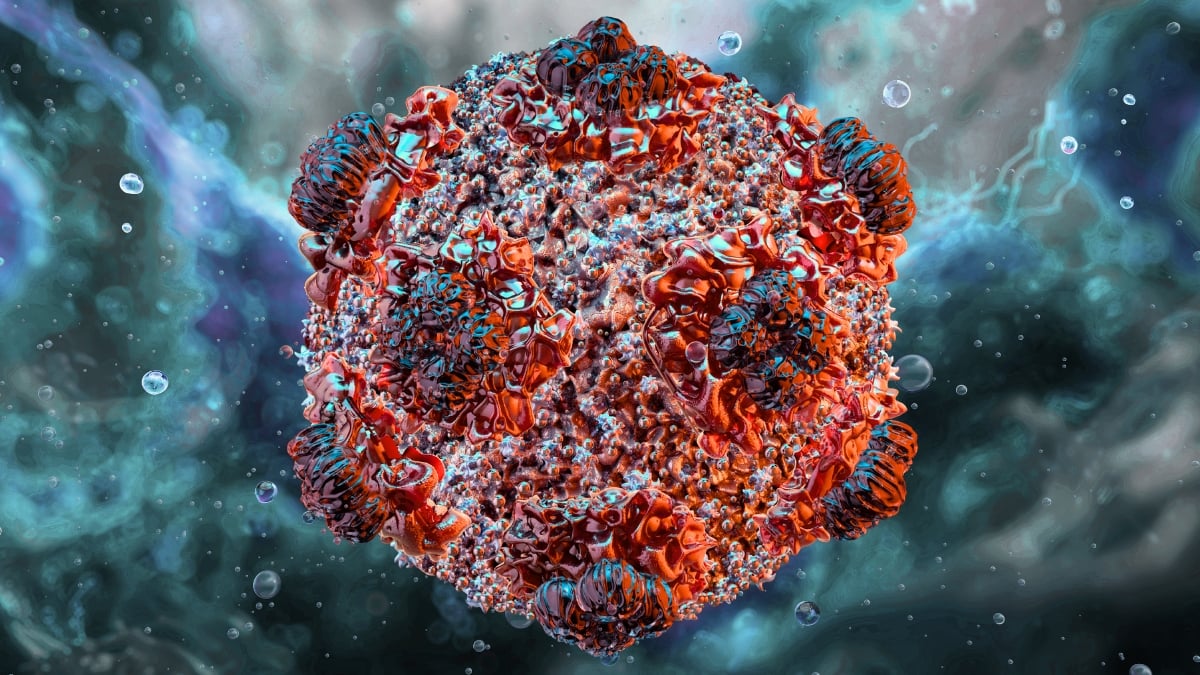
For most Canadians, hantavirus is an unfamiliar name. But over the past week, as a deadly outbreak aboard an Antarctic cruise ship continues to unfold, this rodent-borne pathogen has drawn international attention. As of May 7, the World Health Organization has confirmed five of eight suspected hantavirus cases linked to the vessel, with three deaths. Three Canadians with connections to the ship are now self-isolating at home in Ontario and Quebec.
Hantavirus is far from a new pathogen. Multiple strains have been identified around the world, all carried and transmitted by rodents such as rats and mice. In North America, five rodent species are known to carry hantaviruses, three of which are commonly found in Canada: the deer mouse, the white-footed mouse, and the red-backed vole. Transmission typically occurs through contact with the urine, saliva, or droppings of infected animals, particularly when contaminated material is disturbed and becomes airborne, creating a risk of inhalation.
In Asia and Europe, hantavirus infections are usually associated with hemorrhagic fever with renal syndrome, marked by fever and kidney failure. In the Americas, the illness primarily manifests as hantavirus pulmonary syndrome, or HPS. Early symptoms include severe fatigue, fever, muscle aches, headache, and nausea, which can rapidly progress to respiratory distress. The incubation period ranges from one to eight weeks, with an average of about two weeks.
The strain identified in the cruise ship outbreak is the Andes virus, the only hantavirus known to be capable of limited human-to-human transmission. At a news briefing on May 7, WHO Director-General Tedros Adhanom Ghebreyesus noted that in previous Andes virus outbreaks, person-to-person spread occurred primarily through close and prolonged contact — among household members, intimate partners, and those providing medical care. Tedros added that the WHO assesses the public health risk posed by this outbreak as low.
The outbreak's timeline traces back to April 1, when the Dutch-flagged MV Hondius departed from southern Argentina carrying passengers from multiple countries toward Antarctic waters. On April 6, a 70-year-old Dutch man developed fever, headache, and diarrhea. Five days later, on April 11, he died aboard the ship from respiratory distress while the vessel was sailing between South Georgia and St. Helena in the South Atlantic. His wife developed similar symptoms the following day and also died.
On April 24, approximately 30 passengers from 12 countries — including two Canadians — disembarked at the remote island of St. Helena and flew home. The two Canadian passengers returned to Ontario. In the days that followed, a woman aboard the ship developed symptoms on April 28 and died on May 2, becoming the outbreak's third fatality. On May 4, the WHO first confirmed the hantavirus outbreak aboard the vessel.
Canada's federal government confirmed on May 7 that three Canadians are now self-isolating at home due to potential exposure. Foreign Affairs Minister Anita Anand said in a statement that two of the individuals had been passengers on the cruise and left the ship at St. Helena. The third Canadian was not aboard the vessel but was on the same flight home as the two who disembarked, and may have come into contact with a symptomatic individual during that flight. All three remain asymptomatic. Two are located in Ontario, and one is in Quebec.
Ontario Health Minister Sylvia Jones said at a news conference that public health officials are monitoring the two Ontario residents on a daily basis to ensure compliance with isolation requirements. She said the individuals are not believed to pose a transmission risk, though she cautioned that the situation remains fluid. Quebec Health Minister Sonia Bélanger said her province is on alert for possible exposures but described the risk to the general population as "extremely low."
Four Canadian citizens remain aboard the MV Hondius. According to cruise operator Oceanwide Expeditions, none of the passengers currently on board are showing symptoms. The ship is expected to arrive at Granadilla, Tenerife, in Spain's Canary Islands, early Sunday, May 11, though the operator noted the schedule could change. Ottawa has dispatched consular officials to Tenerife to assist the Canadians on board.
Dr. Zain Chagla, an infectious diseases specialist, told CBC News that not everyone exposed to hantavirus becomes infected. He pointed to evidence from previous outbreaks showing that a number of exposed individuals never acquired the virus, describing this as a positive indicator. WHO officials have also sought to calm public concern, stating directly that "this is not coronavirus" and that the outbreak does not represent a large epidemic so long as public health measures are followed.
For the Canadian public, health authorities stress that the risk of hantavirus infection remains extremely low. Naturally occurring cases in Canada are rare and typically linked to exposure to rodent droppings in enclosed spaces such as cabins, sheds, or storage areas. Officials recommend that anyone cleaning areas potentially contaminated by rodents should avoid stirring up dust, wear a mask and gloves, and ensure adequate ventilation.
The cruise ship outbreak marks one of the most high-profile hantavirus incidents in recent years. In 2025, the virus drew public attention when Betsy Arakawa, the wife of late American actor Gene Hackman, died from a hantavirus infection at her home in New Mexico. The lack of both specific antiviral treatments and a licensed vaccine for hantavirus remains a concern for global health authorities, but the WHO has repeatedly emphasized that the virus's extremely limited capacity for human-to-human transmission means it does not meet the conditions for a pandemic.
More News
- Finance Evening | MGM Shares Sink 11% as Takeover Bid Collapses; Starbucks to Close 250 Stores
- Maple Express Evening | September 24, 2026 — Belleville synagogue shooting ruled a hate-motivated attack
- Maple Express | September 24, 2026 — Muslim woman punched while exiting a TTC bus in Scarborough
- Global Express | September 24, 2026 Ethiopia and Tigray Accuse Each Other of Offensives as Fears of New War Grow
- Finance Morning | Xi Arrives in Washington for State Visit; China, U.S. Reach Consensus in 8th Trade Talks
Source:View Original
Comments (0)
View More
 -25%
-25%Travelpro Versapack+ Underseat Travel Tote Bag — Fits Under Most Airline Seats! $172.50 CAD (25% Off)
 -43%
-43%JOJOLEMON Carbon Fiber Pickleball Paddle — 16mm Honeycomb Core, 8 oz Lightweight! $79.99 CAD (43% Off)
 -29%
-29%HAPBEAR Extra Large Exercise Mat 4'×6' × 8mm — Shoes-Friendly & Non-Slip for Home HIIT! $99.99 CAD (29% Off)
 -46%
-46%Bedsure Queen Duvet Insert — All-Season Comfort, 65,000+ Reviews! $43.99 CAD (45% Off)
 Tech Express
Tech Express | September 24, 2026: Meta Unveils $1,299 VR Glasses in AI Agent Push
 Global Express
Global Express | September 24, 2026 Ethiopia and Tigray Accuse Each Other of Offensives as Fears of New War Grow
-25%Travelpro Versapack+ Underseat Travel Tote Bag — Fits Under Most Airline Seats! $172.50 CAD (25% Off)
Amazon
-43%JOJOLEMON Carbon Fiber Pickleball Paddle — 16mm Honeycomb Core, 8 oz Lightweight! $79.99 CAD (43% Off)
Amazon
-29%HAPBEAR Extra Large Exercise Mat 4'×6' × 8mm — Shoes-Friendly & Non-Slip for Home HIIT! $99.99 CAD (29% Off)
Amazon
-46%Bedsure Queen Duvet Insert — All-Season Comfort, 65,000+ Reviews! $43.99 CAD (45% Off)
Amazon
Tech ExpressTech Express | September 24, 2026: Meta Unveils $1,299 VR Glasses in AI Agent Push
Global Express