Hantavirus Cruise Ship Update: Four Canadians Repatriated to B.C., Third Ontario Case Confirmed in Peel Region
Hantavirus Cruise Ship Update: Four Canadians Repatriated to B.C., Third Ontario Case Confirmed in Peel Region Four Canadian citizens landed in Victo...
Hantavirus Cruise Ship Update: Four Canadians Repatriated to B.C., Third Ontario Case Confirmed in Peel Region
Four Canadian citizens landed in Victoria, B.C., on the evening of May 10 aboard a Canadian Armed Forces-coordinated charter flight from Tenerife, Spain, via Quebec. Meanwhile, Ontario's health minister confirmed this morning that a third person in the province is now self-isolating — this time in Peel Region. Together, these developments mark the most concentrated wave of activity since Canada first disclosed hantavirus contacts on May 7.
Four Canadians Arrive in Victoria
A Chrono Aviation Boeing 737 touched down at Victoria International Airport on Sunday evening carrying four Canadian citizens who had been stranded aboard the MV Hondius, the cruise ship at the centre of the hantavirus outbreak. Flight tracking data shows the charter flew from Tenerife, stopped to refuel at Saguenay-Bagotville military airport in Quebec, and proceeded to B.C.
Dr. Bonnie Henry, B.C.'s provincial health officer, confirmed at a Sunday evening press conference that all four are asymptomatic. They will be housed at pre-arranged lodgings in B.C. for a minimum 21-day monitored isolation period. Because hantavirus can incubate for up to 42 days, B.C. health officials will reassess whether to extend isolation at the end of the three-week window. Henry stressed that the group will not be staying in hotels or any shared public accommodations. "At no point during their arrival or isolation period will they be in contact with the public," she said.
Asked why B.C. was chosen as the isolation site, Henry said only that some of the four have connections to the province. She declined to share further personal details and asked the public to respect their privacy. Henry acknowledged that hearing about a cruise ship outbreak "made her stomach clench," given how COVID-19 first entered public consciousness via cruise ships. But she was quick to note that hantavirus and SARS-CoV-2 differ fundamentally in how they spread.
The Minister of National Defence authorized the CAF to provide short-term logistics support and temporary facility access for the repatriation — the first time Canada has used military aircraft for a public health-related evacuation since the COVID-19 pandemic.
Ontario: Three Now in Isolation, Peel Region Case Disclosed
Ontario Health Minister Sylvia Jones confirmed in a May 11 morning update that three people in the province are now self-isolating due to possible hantavirus exposure:
- Grey-Bruce region: A couple from the same household who were aboard the MV Hondius and disembarked at Saint Helena on April 24 before flying back to Canada. Both remain asymptomatic as of this morning and are monitored daily by local public health.
- Peel Region: A third individual, whose location had not previously been disclosed. Unlike the Grey-Bruce couple, this person was not a cruise passenger but had "brief contact" with a confirmed case on a flight. Peel Public Health is monitoring the individual.
Combined with one person previously confirmed to be isolating in Quebec — also a flight contact — at least seven people in Canada are now under public health surveillance linked to this outbreak. In a rapid risk assessment published May 10, the Public Health Agency of Canada (PHAC) stated that the Andes virus is not endemic to Canada and that human-to-human transmission requires prolonged, close contact. PHAC's overall conclusion: "the risk to the Canadian public remains very low."
Ship Docks, Passengers Disembark
The MV Hondius docked at Tenerife in Spain's Canary Islands on May 10, ending more than a week adrift at sea. Under Spanish authorities' direction, passengers were ferried to shore in small boats and transported to the airport on sealed buses for repatriation. Everyone leaving the ship was screened before departing Spain.
WHO data updated on May 9 shows the case count holding at eight — six PCR-confirmed and two suspected — with three deaths. Confirmed and hospitalized patients span six countries: South Africa, the Netherlands, Germany, Saint Helena, Spain, and Switzerland. The U.S. CDC said in a May 8 briefing that some American passengers had disembarked before the outbreak was identified and have since returned to the United States; state health departments have been notified for follow-up.
Risk Assessment and Official Guidance
PHAC's rapid risk assessment offers three core conclusions. First, the Andes virus has no established transmission chain in Canada and is epidemiologically distinct from Sin Nombre virus, the hantavirus strain endemic to Canada. Second, person-to-person transmission requires sustained, close contact — casual social interaction carries negligible risk. Third, Canada's existing public health surveillance and isolation infrastructure is sufficient to manage this importation event.
Both the WHO and the U.S. CDC maintain their assessment of "low risk" to the general public. The WHO has stated that no travel or trade restrictions are warranted at this time.
Canada's Chief Public Health Officer, Dr. Theresa Tam, offered straightforward advice: avoid contact with rodents and their droppings. When cleaning areas that may be contaminated by mice or rats, open windows for ventilation first, wear gloves and a mask, and avoid sweeping or vacuuming that could stir up dust — these remain the most effective precautions against hantavirus on Canadian soil.
Sources: CBC News, CP24, Global News, Global Affairs Canada interdepartmental statement, PHAC rapid risk assessment, WHO Disease Outbreak News, CDC Hantavirus Current Situation
More News
- Finance Evening | MGM Shares Sink 11% as Takeover Bid Collapses; Starbucks to Close 250 Stores
- Maple Express Evening | September 24, 2026 — Belleville synagogue shooting ruled a hate-motivated attack
- Maple Express | September 24, 2026 — Muslim woman punched while exiting a TTC bus in Scarborough
- Global Express | September 24, 2026 Ethiopia and Tigray Accuse Each Other of Offensives as Fears of New War Grow
- Finance Morning | Xi Arrives in Washington for State Visit; China, U.S. Reach Consensus in 8th Trade Talks
Source:View Original
Comments (0)
View More
 -26%
-26%TRALT Ergonomic Office Chair — Reclines, Lumbar Support & Metal Base! $157.49 CAD (25% Off)
 -47%
-47%DEWALT 20V MAX XR 5.0Ah Battery (DCB205) — Nearly Half Off! $117.98 CAD (46% Off)
 -32%
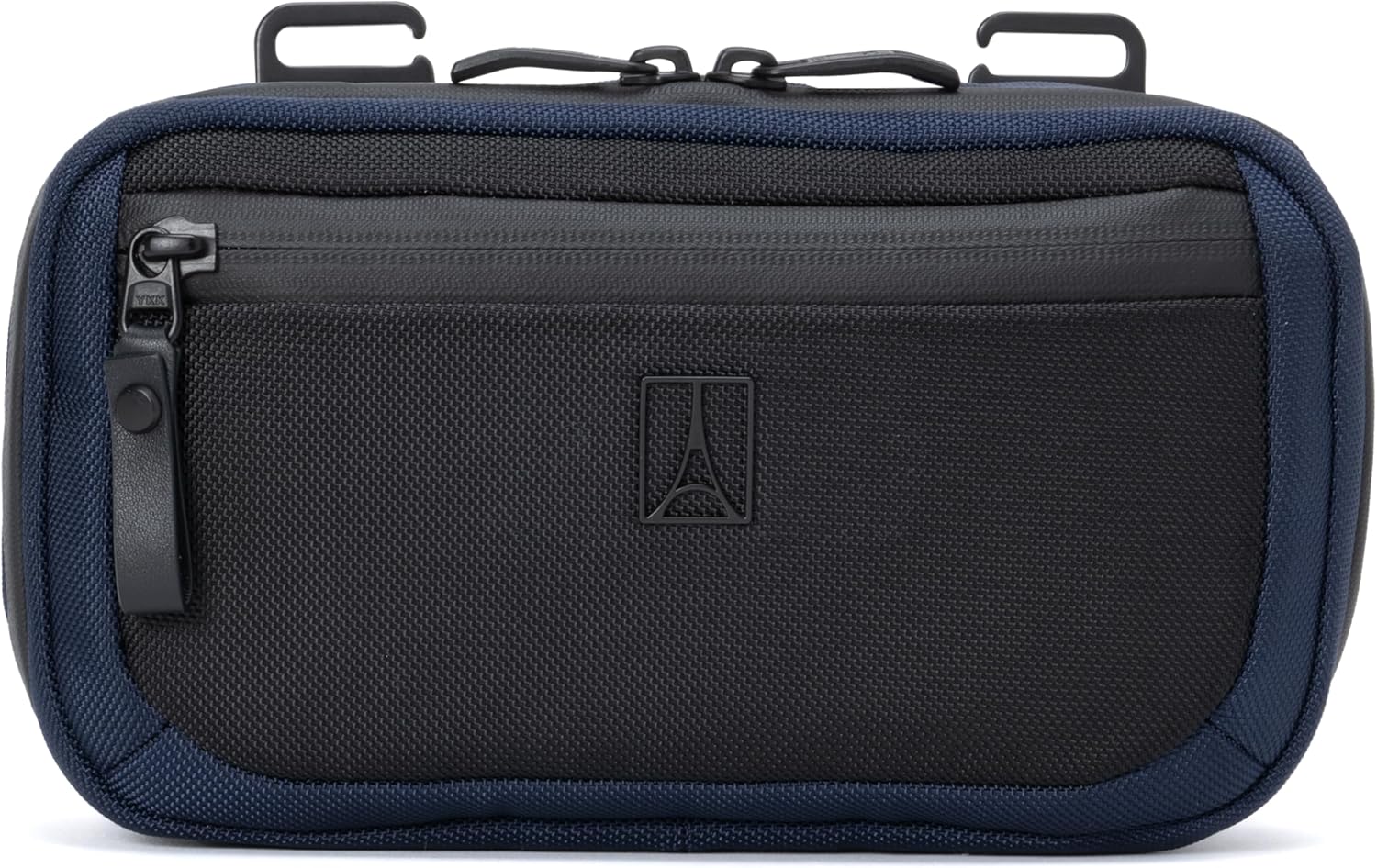
-32%Travelpro Altitude Organization Kit — Keep Cables, Chargers & Adapters Tidy! $82.69 CAD (31% Off)
 -53%
-53%GoveeLife Smart 3L Humidifier — Humidifier, Diffuser & Night Light in One! $42.99 CAD (52% Off)
 Tech Express
Tech Express | September 24, 2026: Meta Unveils $1,299 VR Glasses in AI Agent Push
 Sports Express
Sports Express | September 24, 2026: US Senate Advances Controversial Protect College Sports Act
-26%TRALT Ergonomic Office Chair — Reclines, Lumbar Support & Metal Base! $157.49 CAD (25% Off)
Amazon
-47%DEWALT 20V MAX XR 5.0Ah Battery (DCB205) — Nearly Half Off! $117.98 CAD (46% Off)
Amazon
-32%Travelpro Altitude Organization Kit — Keep Cables, Chargers & Adapters Tidy! $82.69 CAD (31% Off)
Amazon
-53%GoveeLife Smart 3L Humidifier — Humidifier, Diffuser & Night Light in One! $42.99 CAD (52% Off)
Amazon
Tech ExpressTech Express | September 24, 2026: Meta Unveils $1,299 VR Glasses in AI Agent Push
Sports Express