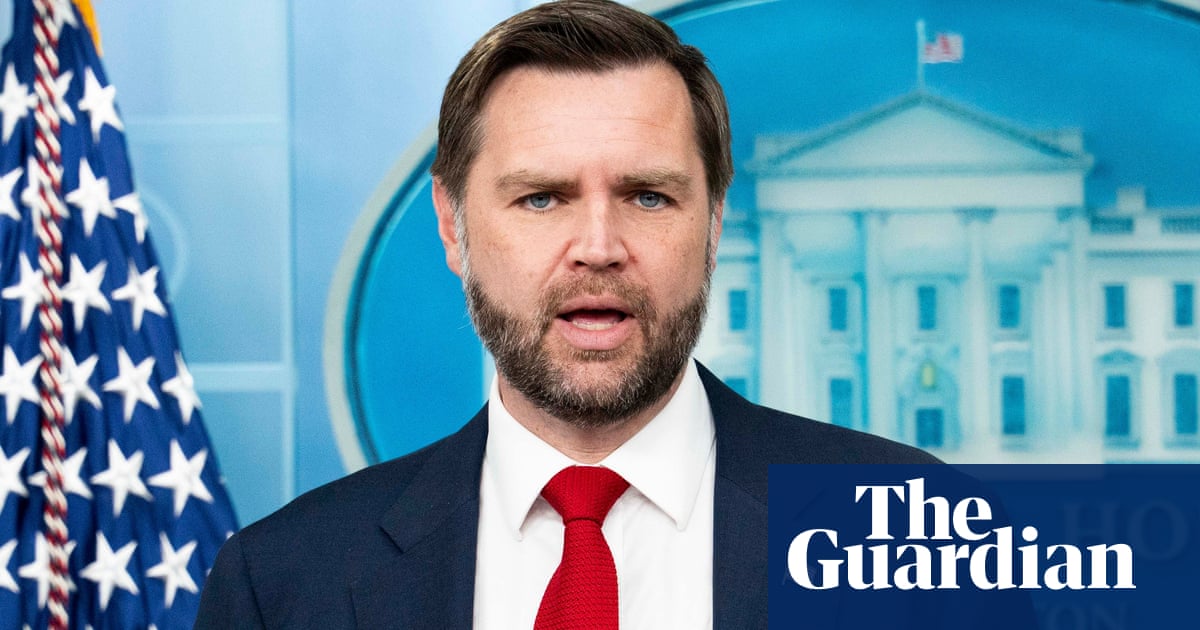
World News | June 19, 2026 US-Iran Peace Talks Cancelled as Israel-Hezbollah Fighting Intensifies
On June 19, 2026, the US-Iran peace deal faced an immediate crisis as Israel-Hezbollah clashes in Lebanon forced the cancellation of Geneva talks. Ukraine launched major drone strikes on Moscow, and G7 leaders pledged tougher Russia sanctions. Oil prices plunged over 20% as the Strait of Hormuz reopening approached. Also: Tropical Storm Arthur hit Texas, Mexico reached the World Cup knockouts first, and NASA announced a new Mars exploration partnership.
World News | June 19, 2026 US-Iran Peace Talks Cancelled as Israel-Hezbollah Fighting Intensifies
📰 US-Iran Peace Deal in Crisis: Geneva Talks Cancelled After Israel-Hezbollah Clashes
The next round of US-Iran peace negotiations, scheduled for June 19 in Geneva, Switzerland, was abruptly cancelled. Just hours before the talks, the Israeli military launched large-scale airstrikes across southern Lebanon, striking over 80 targets and killing at least 16 people. The Israeli military said the operation was in response to a Hezbollah explosive attack on an Israeli tank that killed four Israeli soldiers. Hezbollah reported that its fighters engaged Israeli troops at close range near Nabatieh, firing rockets, artillery, and anti-aircraft missiles at advancing forces.
US Vice President JD Vance cancelled his travel to Switzerland. Iranian Parliament Speaker Mohammad Ghalibaf stated in Tehran that negotiations with the US would be bound by Iran's "red lines," warning that "the cost of violating the deal will be higher now." A diplomatic source said the talks were "temporarily postponed following the Israeli strikes in Lebanon, and mediators are currently working to resolve the issue." The escalation comes just two days after President Donald Trump and Iranian President Masoud Pezeshkian digitally signed a memorandum of understanding on June 17, casting a dark shadow over the hard-won preliminary peace framework.
Meanwhile, the US military announced the lifting of the naval blockade on Iranian ports, which had been in place since April, as part of the peace agreement. Commercial traffic through the Strait of Hormuz—which had dropped more than 90% since the conflict began—is expected to gradually resume. However, Israeli Prime Minister Benjamin Netanyahu insisted that Israeli forces would remain in "security zones" in Lebanon and Gaza "for as long as it is required." Iran maintains that the US-Iran ceasefire agreement should apply to Lebanon.
📰 US Lifts Naval Blockade on Iran as First Peace Deal Terms Take Effect
The US military officially announced on June 18 the lifting of the naval blockade on Iranian ports, a key first implementation step of the Trump-Pezeshkian memorandum of understanding. The blockade, in place since April, had effectively cut off Iran's oil export routes. The International Maritime Organization issued navigational warnings confirming that naval forces would "support the free flow of traffic," while cautioning about potential congestion through Hormuz transit routes.
Iran responded with cautious optimism to the deal's implementation. The semi-official Tasnim news agency had previously stated that Iranian negotiators needed to see concrete signs of interim agreement implementation before proceeding to the next round of peace talks. Analysis of the leaked MoU text suggests Iran secured significant concessions on key war aims related to Lebanon and Strait of Hormuz access. At the G7 summit, Trump pitched the deal to allies, claiming it "will ensure Iran never obtains a nuclear weapon."
Global oil markets reacted swiftly. Brent crude has fallen over 23% in the past month, retreating from triple-digit wartime highs to the $74-80 per barrel range. Analysts note that if Hormuz shipping fully normalizes, prices could fall further—though the ongoing Israel-Hezbollah conflict in Lebanon remains the largest uncertainty factor.

📰 Ukraine Launches Massive Drone Strike on Moscow Oil Refinery for Second Straight Day
Ukrainian forces conducted a large-scale strike against Russia on the night of June 17-18, heavily targeting Moscow City and striking the Moscow Oil Refinery for the second time in two days. According to the Institute for the Study of War (ISW), the operation is part of Ukraine's ongoing campaign to degrade Russian war-making capacity and morale. Moscow's mayor acknowledged that air defense systems intercepted multiple drones, though some targets were hit.
Meanwhile, Ukraine's Azov fighters—who gained fame for their defiant last stand in Mariupol—are now striking back with upgraded weapon systems along the eastern and southern fronts. Ukrainian President Volodymyr Zelensky stated that "the best way to guarantee Europe's future would be fast-track EU membership for Ukraine." On the Russian side, official figures place total Russian combat losses since the February 2022 full-scale invasion at approximately 1,388,050 personnel, including 1,370 in the past 24 hours alone.
At the G7 summit, leaders unanimously pledged tougher sanctions on Russia. However, President Trump's remark during the summit that the Ukraine war has "no impact" on the US raised concerns among European allies. German Defense Minister Boris Pistorius emphasized Europe's need to strengthen its own defense capabilities. NATO Secretary-General Mark Rutte sought to shift focus to the Iran agreement, hailing it as "an opportunity to ensure Iran never obtains a nuclear weapon."
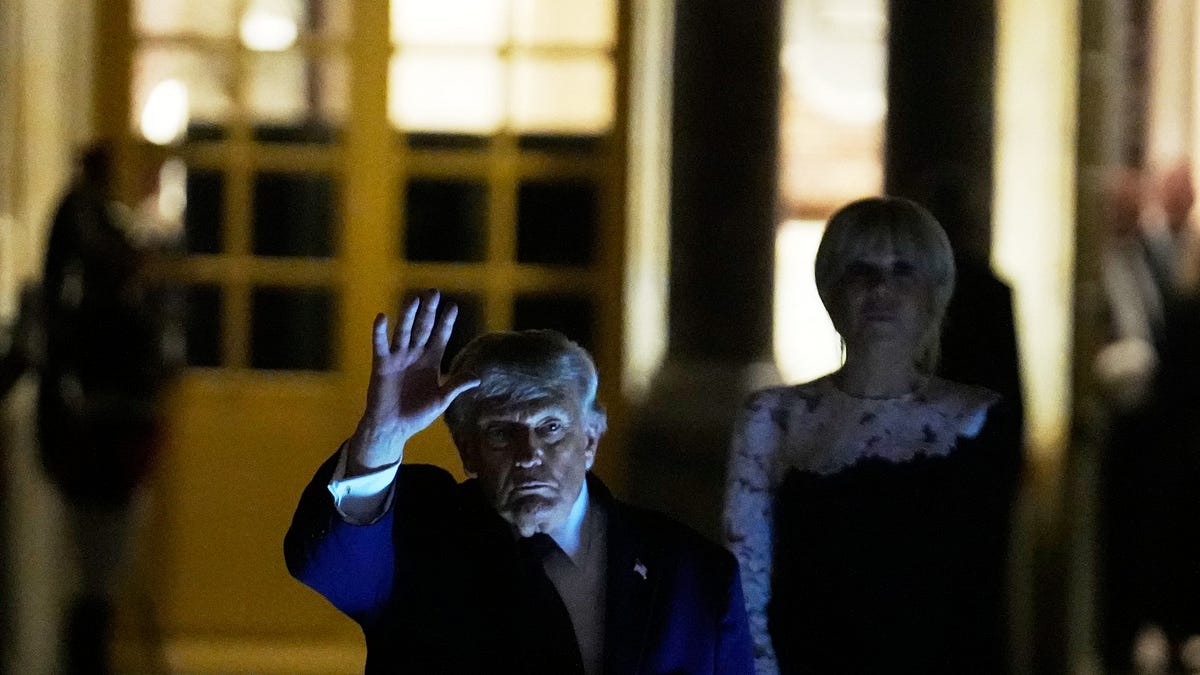
📰 G7 Summit Concludes in France: Allies Back Iran Framework, Pledge Tougher Russia Sanctions
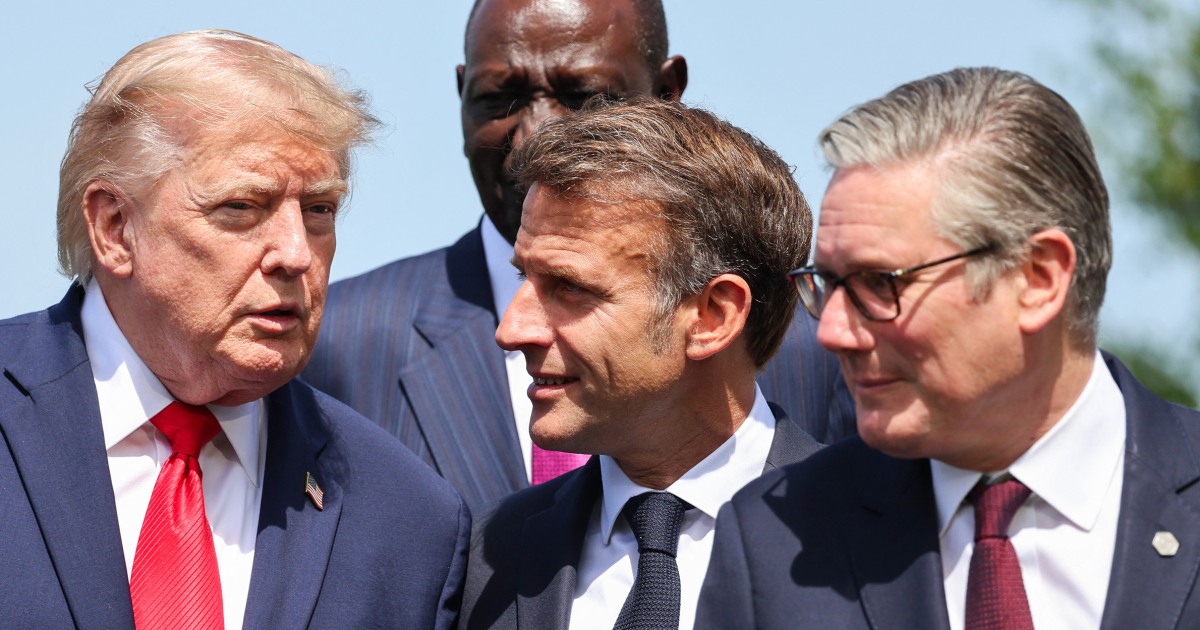
The two-day Group of Seven (G7) summit concluded on June 17 in Evian-les-Bains, France. President Trump spent much of the summit selling his tentative Iran peace agreement to allied leaders. NATO Secretary-General Mark Rutte told reporters that "the deal President Trump struck has created an opportunity to ensure Iran never obtains a nuclear weapon," urging all parties to seize the diplomatic window.
The summit also focused heavily on Ukraine, with G7 leaders agreeing on a new round of sanctions against Russia and reaffirming long-term support for Kyiv. Canadian Prime Minister Mark Carney revealed he wished Trump a happy 80th birthday and gave him a present, adding, "he's very pleased." Indian Prime Minister Narendra Modi, attending as a guest, declared that "India is always on the side of peace, placing humanity above everything else."
Beneath the veneer of unity, however, tensions persist. A Council on Foreign Relations analysis notes that the G7's alignment on Iran and Ukraine is "deeply fragile." The rift between Europe and the United States over the continent's limited contribution to the Iran war—which led to US troop withdrawals from Germany—remains unresolved. The upcoming NATO summit in Ankara, Turkey, in early July will be a critical test of transatlantic cohesion, with POLITICO identifying six NATO allies at risk of facing Trump's defense spending backlash, including the UK under Prime Minister Keir Starmer.
— NBC News
📰 Oil Prices Continue Downward Spiral: Brent Falls Below $75, Monthly Decline Exceeds 20%
Global crude oil prices continued their steep descent following the US-Iran peace deal and the prospect of the Strait of Hormuz reopening. On June 19, Brent crude futures hovered near $79.95 per barrel, while West Texas Intermediate (WTI) traded at approximately $76.80. Over the past month, Brent has fallen roughly 23.9% and WTI about 21.8%. While significantly below wartime highs, prices remain slightly above the pre-war level of around $70 per barrel.
Energy analysts attribute the rapid price decline to markets pricing in the removal of Middle East supply disruption risks. During the Iran war, commercial traffic through the Strait of Hormuz dropped more than 90%, forcing global shipping companies to reroute and driving up transportation costs. As the US lifts its naval blockade, the International Maritime Organization expects a gradual return to normal shipping patterns. However, analysts caution that the Israel-Hezbollah conflict in Lebanon and the historical threat from Yemen's Houthi movement to Red Sea shipping remain significant uncertainty factors.
In financial markets, the so-called "US exceptionalism" trade is making a comeback. Traders expect that despite easing oil prices reducing inflationary pressures, the buoyant American economy will keep the Federal Reserve from cutting interest rates in the near term. Asian markets showed mixed performance, while European stocks were dragged lower by the energy sector. US markets closed higher on Thursday as investors digested the shifting geopolitical landscape.

📰 Tropical Storm Arthur Hits Texas Coast, First Named Storm of 2026 Atlantic Hurricane Season
Tropical Storm Arthur, the first named storm of the 2026 Atlantic hurricane season, formed in the Gulf of Mexico on June 17 before making landfall along the Texas coast, bringing heavy rainfall and flash flood threats. According to NOAA tracking, Arthur is the first tropical cyclone to reach named-storm status in the Atlantic this year. The storm has since degenerated into a post-tropical low-pressure area, but its heavy precipitation continues to cause flooding in parts of Texas and Louisiana.
Texas Governor Greg Abbott had already issued a disaster declaration for 101 counties due to severe storms preceding Arthur's arrival. Zachary Handlos, an atmospheric scientist at the Georgia Institute of Technology, noted that flash flood risk depends heavily on how quickly the storm moves: "If the rainfall parks itself or becomes stationary over any of these locations, that is a little harder to predict." Florida's disaster management authorities warned that "ample tropical moisture" from Arthur would continue to bring flood risks to North Florida.
Though limited in intensity, Arthur marks the official start of the 2026 Atlantic hurricane season. Meteorologists are urging Gulf Coast residents to remain vigilant, as the season is expected to run through late November. The National Hurricane Center is closely monitoring other potential tropical disturbances in the Atlantic basin.
— AP News
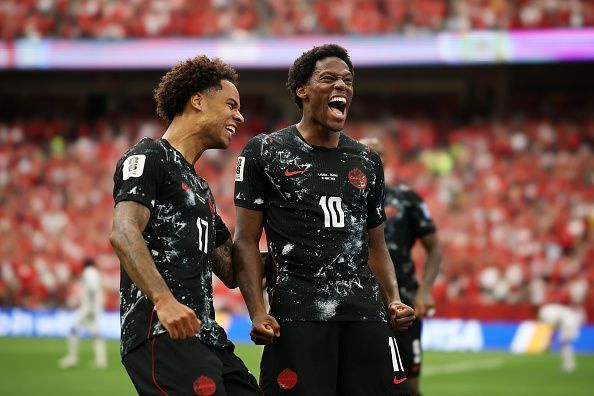
📰 World Cup 2026: Mexico First to Reach Knockout Stage, Canada Claims Historic Victory
The 2026 FIFA World Cup group stage delivered landmark results as Mexico became the first team to secure a spot in the knockout round, defeating South Korea 1-0. Meanwhile, co-host Canada achieved a historic World Cup victory, igniting nationwide celebrations. June 19 featured several additional thrilling matchups, with key qualification battles unfolding across multiple groups.
The 2026 tournament, jointly hosted by the United States, Canada, and Mexico, is the first World Cup to be staged across three nations. The expanded 48-team format has made the group stage more competitive and unpredictable than ever. Canada's historic win—a rare bright spot in the nation's limited World Cup history—is expected to significantly boost soccer's popularity across North America.
Mexico continued its tradition of strong World Cup performances. As perennial tournament participants, Mexico has advanced from the group stage in multiple consecutive editions. By becoming the first team to clinch a knockout berth, El Tri demonstrated the depth and quality that have made them a consistent force in international football. As the group stage nears its conclusion, more knockout-stage qualifiers will be determined in the coming days.
— ESPN
📰 NASA Announces Mars Public-Private Partnership with Relativity Space
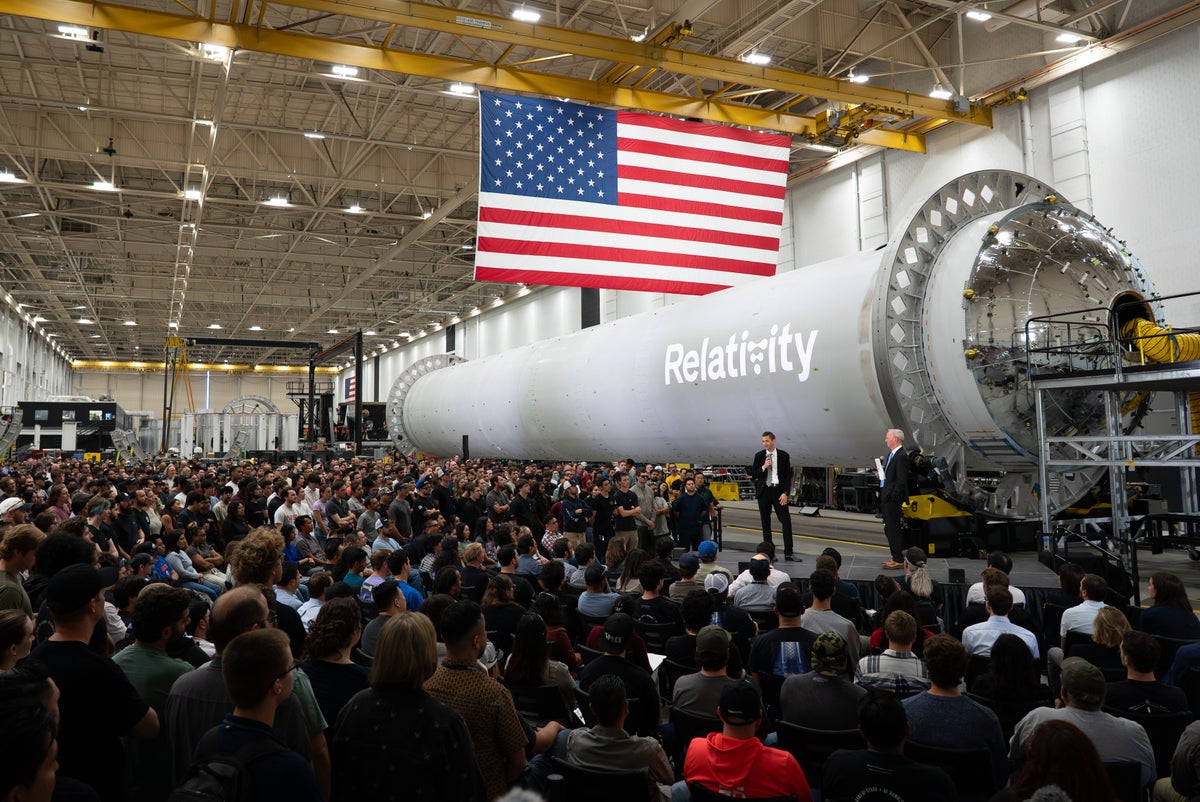
NASA announced a new public-private partnership with Relativity Space on June 17 to advance Mars science and exploration. NASA Administrator Jared Isaacman made the announcement during an event at Relativity Space's California facility. The company, backed by former Google CEO Eric Schmidt, is known for its innovative 3D-printed rocket manufacturing technology and has been selected to participate in NASA's upcoming Mars orbiter mission.
According to Scientific American, the partnership reflects NASA's growing reliance on commercial partners for deep space exploration. Relativity Space will use its Terran R heavy-lift rocket to launch a next-generation Mars orbital probe for NASA. "By partnering with innovative private companies, we can advance Mars exploration faster and at lower cost," Isaacman stated.
On the same day, SpaceX successfully launched a Falcon 9 rocket from Vandenberg Space Force Base, continuing its high-cadence 2026 launch schedule—SpaceX President Gwynne Shotwell previously projected approximately 140-145 Falcon 9 launches for the year. Additionally, the James Webb Space Telescope's latest observations revealed extreme climate features of exoplanet HD 80606 b, a planet four times Jupiter's mass that follows an extremely elliptical orbit around its Sun-like star.
📰 EU Summit: German Chancellor Merz Calls for Cuts to "Too High" EU Budget
At the European Union leaders' summit in Brussels, German Chancellor Friedrich Merz called for cuts to what he described as an "excessively high" EU long-term budget. Merz argued that the EU must demonstrate fiscal discipline amid multiple overlapping crises, focusing limited resources on the highest priorities. He emphasized that strong coordination already exists within the EU and among NATO partners—including Norway and the UK—which serves to "reinforce the European pillar of NATO."
Merz's intervention comes as the EU faces unprecedented fiscal pressures. The war in Ukraine, Middle East conflicts, the energy transition, and the recent Iran war have all profoundly impacted the European economy. The US decision to withdraw some troops from Germany has further heightened European anxieties about self-defense capabilities. Multiple EU member states are grappling with the dilemma of balancing increased defense spending with social welfare commitments.
Analysts note that Merz's stance reflects the new German government's stronger emphasis on fiscal discipline, which could create friction with countries like France that favor increased EU collective spending. However, with growing uncertainty in US foreign policy, European leaders are increasingly aware of the urgency of strengthening their own defense and economic resilience. The upcoming NATO summit in Ankara in early July, to be chaired by Secretary-General Rutte, is seen as the next critical juncture for European security policy.

— DW
📰 Quantum-AI Computing Breakthrough: Dramatically Better Predictions of Complex Chaotic Systems
A major advance has been reported at the intersection of artificial intelligence and quantum computing. Researchers have demonstrated that blending quantum computing with AI can dramatically improve predictions of complex, chaotic systems. Published on June 17, the ScienceDaily study shows that by allowing a quantum computer to identify hidden patterns in data, AI systems become more accurate and stable—a breakthrough with potential implications for weather forecasting, financial market modeling, and drug discovery.
Traditional computers often hit computational bottlenecks when processing highly complex chaotic systems—too many variables interacting in too many ways limits predictive accuracy. The research team leveraged quantum superposition to allow AI to simultaneously explore multiple possible pattern combinations, uncovering correlations that classical methods would miss. "Quantum computers won't replace classical computers, but they can handle specific problems that classical computing simply cannot solve," the paper's authors noted.
This represents another milestone in the journey toward practical quantum computing. In the same week, EeroQ published a paper in Nature Physics demonstrating the first physical realization of an electron-on-helium (eHe) qubit achieving strong coupling—another quantum hardware breakthrough. While universal quantum computers remain years away, these incremental advances are steadily moving quantum technology from the laboratory toward real-world applications.

📰 China's Economy Sputters Mid-2026 as Xi's Demand-Boost Efforts Falter
The Financial Times reports that China's economy is showing signs of sputtering midway through 2026, with President Xi Jinping's efforts to boost domestic demand failing to gain traction. "Activity is sputtering midway through 2026, undercutting efforts to galvanize the economy," the report notes. Despite a series of government stimulus measures aimed at encouraging consumption, weak consumer confidence, a persistently sluggish real estate market, and external pressures on exports have kept China's recovery below expectations.
China faces a complex mix of internal and external challenges. Externally, the US-Iran conflict and resulting global energy price volatility, combined with ongoing geopolitical tensions, have added uncertainty to China's trade environment. On Taiwan, Beijing's offer of Chinese websites and even mainland visits for Taiwanese fans to watch the World Cup was rejected by Taipei. Taiwan's top diplomat in the US, Alexander Yui, told the Associated Press on Wednesday that Taiwan needs American weapons to defend against China's "growing threat."
The IMF's latest Global Markets Monitor has also highlighted the spillover effects of China's economic slowdown on the global economy, noting that Asian emerging market economies face the twin challenges of exchange rate volatility and external shocks. The Philippine peso and other regional currencies reflect ongoing instability in global financial markets. Analysts believe China may need bolder fiscal and monetary stimulus measures to stabilize growth expectations.

Comments (0)
View More
 -56%
-56%JBL Vibe Beam True Wireless Earbuds — 32 Hours of Playtime! $44.98 CAD (55% Off)
 -36%
-36%LEGO Minecraft Woodland Mansion Fighting Ring 21272 — 491 Pieces, 6 Figures! $41.72 CAD (36% Off)
 -41%
-41%GROSCHE Aspen 40oz Insulated Tumbler — Triple-Wall Vacuum, Straw & Handle! $29.99 CAD (40% Off)
 -29%
-29%Finish Quantum Ultimate Dishwasher Pods, 72 Tabs — No Pre-Rinse Needed! $19.97 CAD (29% Off)
 Maple Express
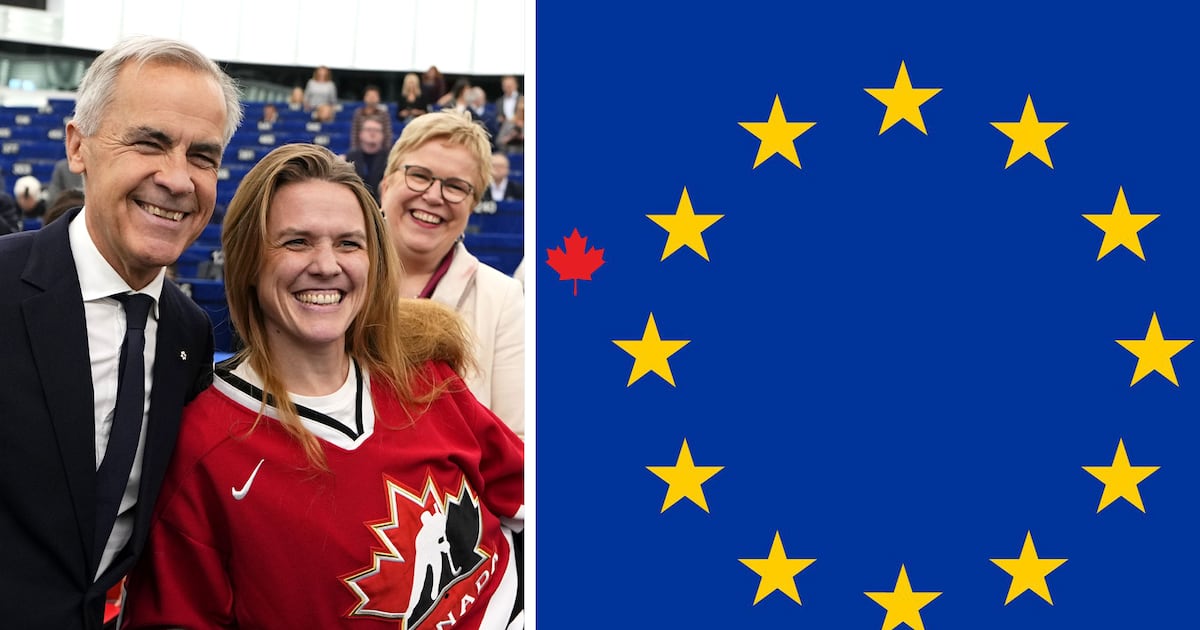
Maple Express Evening | September 17, 2026 Carney Says Parliament Will Vote on EU Partnership, Poilievre Accuses PM of Being Untrustworthy
 Sports Express
Sports Express | Sep 17, 2026 Hellebuyck Suspended by Jets After Failing to Report to Camp
-56%JBL Vibe Beam True Wireless Earbuds — 32 Hours of Playtime! $44.98 CAD (55% Off)
Amazon
-36%LEGO Minecraft Woodland Mansion Fighting Ring 21272 — 491 Pieces, 6 Figures! $41.72 CAD (36% Off)
Amazon
-41%GROSCHE Aspen 40oz Insulated Tumbler — Triple-Wall Vacuum, Straw & Handle! $29.99 CAD (40% Off)
Amazon
-29%Finish Quantum Ultimate Dishwasher Pods, 72 Tabs — No Pre-Rinse Needed! $19.97 CAD (29% Off)
Amazon
Maple ExpressMaple Express Evening | September 17, 2026 Carney Says Parliament Will Vote on EU Partnership, Poilievre Accuses PM of Being Untrustworthy
Sports Express