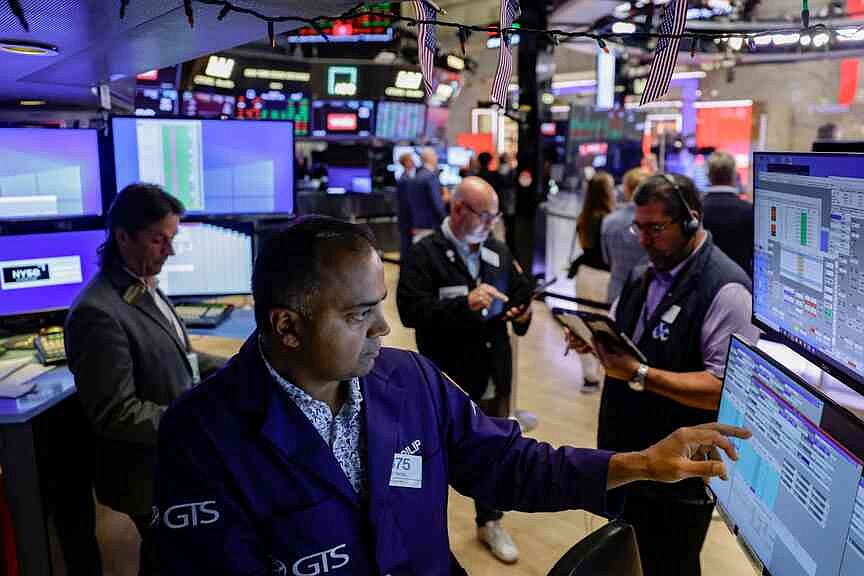
Finance Evening | August 18, 2026 — U.S. Stocks Slip as Chip Shares Tumble
U.S. stocks closed lower Monday, with the Nasdaq down 1.33% as chip shares slid and the Philadelphia Semiconductor Index fell over 6%. A global bond sell-off pushed the 30-year Treasury yield to its highest since 2007, while U.S. debt nears $40 trillion. The U.S.-Iran ceasefire expiry lifted oil, sending Brent back above $90. Nvidia's moat shifts to capital, Anthropic's pre-IPO credit line tops $10 billion, and Costco enters Medicare.
📊 Today's North American Markets
| Index | Close | Change | % Change |
|---|---|---|---|
| S&P 500 | 7691.76 | -53.30 | -0.69% |
| Nasdaq | 26289.71 | -355.20 | -1.33% |
| Dow Jones | 53343.40 | -116.38 | -0.22% |
| TSX | 36367.93 | -299.99 | -0.82% |
| USD/CAD | 1.3892 | +0.00 | +0.12% |
| WTI Crude | 84.42 | +0.36 | +0.43% |
| Gold | 4389.50 | -31.10 | -0.70% |
1. Wall Street Slips as Investors Await Big Retail Earnings
The three major U.S. stock indexes finished lower Monday as investors waited for quarterly reports from large retailers to gauge the real strength of American consumer spending. The S&P 500 fell 0.69%, the Nasdaq tumbled 1.33%, and the Dow slipped 0.22%.
Oil prices also climbed after the U.S.-Iran ceasefire expired, lifting safe-haven sentiment. Analysts say retail earnings guidance will be a key indicator of economic resilience amid persistent inflation and high interest rates.
2. Chip Stocks Tumble, Philadelphia Semiconductor Index Drops Over 6%
U.S. chip stocks fell across the board, with the Philadelphia Semiconductor Index sliding more than 6% at one point, becoming a major drag on the broader market. SanDisk and Marvell Technology lost over 9%, while Western Digital and Micron also dropped sharply.
Investors grew wary of softening memory chip prices and the uncertain pace of AI computing demand, with profit-taking intensifying after the sector's earlier rally. The sharp swings in chip stocks weighed heavily on the Nasdaq, which posted a much steeper decline than the other major indexes.
3. Nvidia's Moat Is Shifting From Chips to Capital
As competitors like AMD and Google gradually narrow its technology lead, Nvidia is shifting its focus to another core advantage: capital. Over the past four years, the chip giant has used large-scale financing and investment to build a full ecosystem spanning AI hardware and data center funding.
Recently Nvidia has backed roughly $105 billion in financing for OpenAI's data center in Ohio, and partnered with Wall Street asset managers on a push exceeding $500 billion for AI infrastructure. Markets see Nvidia turning data centers into a predictable long-term asset class, cementing its dominance through sheer capital scale.

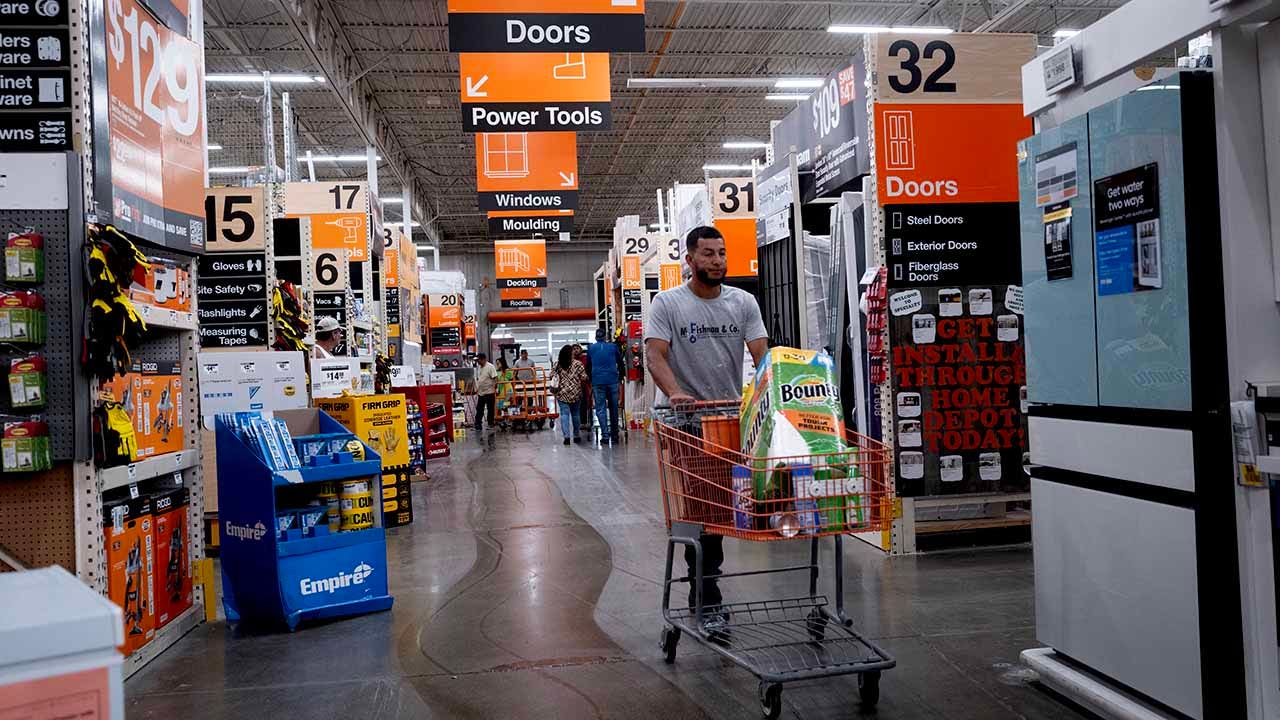
4. Home Depot Customers Stick to Smaller Projects as Housing Costs Stay High
Home Depot's latest results show American consumers are still spending on their homes, but favoring smaller renovation projects over large-scale remodels. Elevated mortgage rates and high home prices have led many homeowners to postpone big-ticket upgrades such as kitchens and bathrooms.
Still, the company's overall sales improved in the second quarter, and it maintained its full-year outlook. Analysts see Home Depot's resilience as reflecting a "improve in place" trend among American households — renovating rather than moving — as the housing market stays mired in a slump.
5. Costco Enters Medicare Market, Seeks Approval for Multiyear Rollout
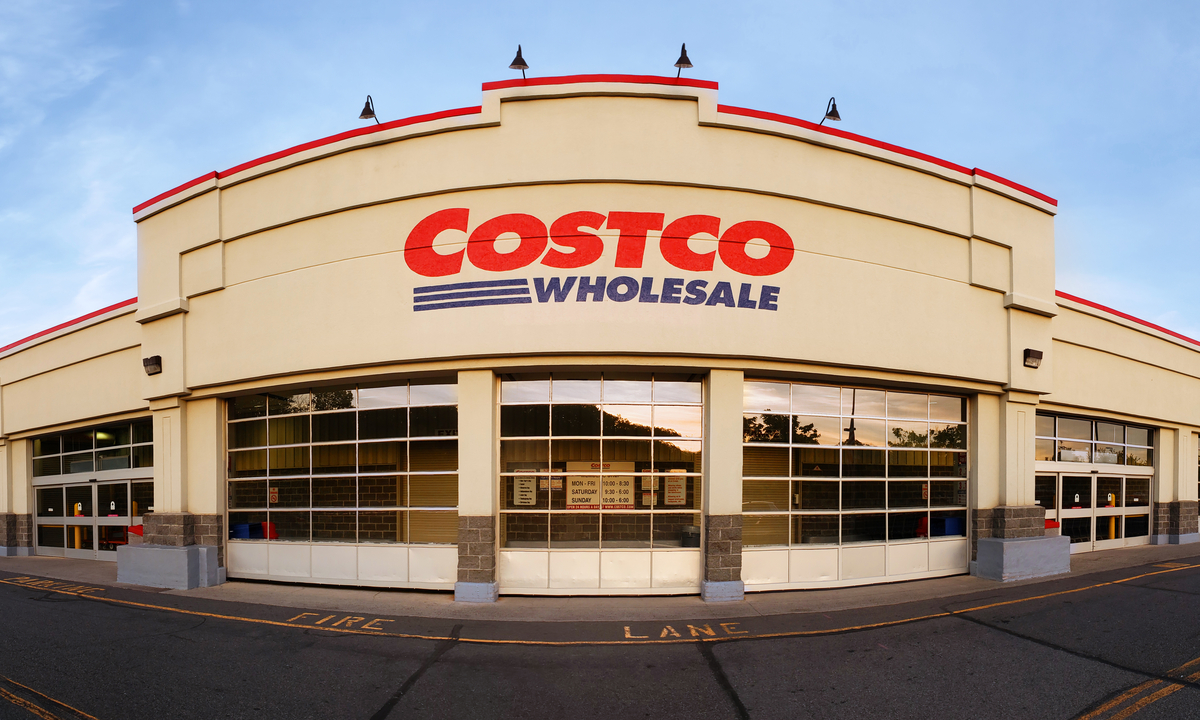
Warehouse retail giant Costco is teaming up with SCAN Health Plan to launch co-branded Medicare Advantage plans in two states and a Medicare supplement plan in a third, now pending approval from federal Medicare regulators.
This marks Costco's first entry into the health insurance market. Analysts say that with its vast membership base and trusted brand, Costco could open a new growth channel in the senior health insurance market, finding a new avenue beyond the ceiling of its retail business.
6. Anthropic's Pre-IPO Credit Facility Set to Top $10 Billion
Anthropic's revolving credit facility is set to exceed its roughly $10 billion target, according to people familiar with the matter, as the AI firm prepares for a highly anticipated initial public offering.
The figure marks a massive jump from the $2.5 billion five-year facility the company secured just last year, reflecting strong capital-market appetite for leading AI companies. If it lists successfully, Anthropic could become one of the largest tech IPOs on record.
7. Global Bond Sell-Off Sends Borrowing Costs to Highest Since 2007
Long-term government bonds were sold off across the globe, with the yield on the 30-year U.S. Treasury climbing above 5.3% on Tuesday to its highest level since 2007. Borrowing costs in France and Germany also rose to multi-year highs.
Investor anxiety over stubborn inflation and widening fiscal deficits is the core driver of the rout. Rising long-term yields mean upward pressure on mortgage rates and credit card rates, which could further restrain consumer spending and business investment, clouding the economic outlook.
8. U.S. Debt Set to Hit $40 Trillion
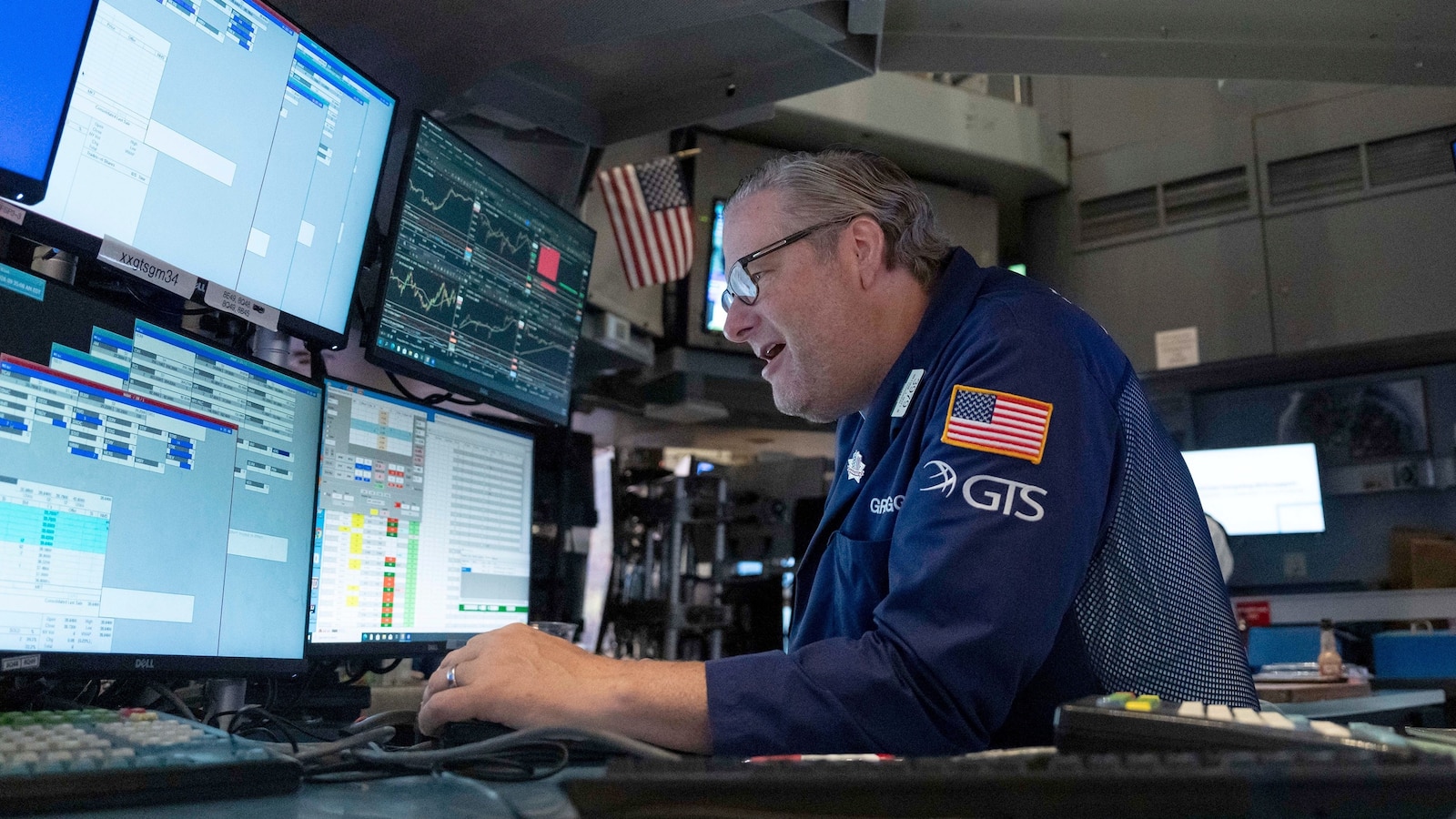
The U.S. national debt is likely to surpass $40 trillion this week, months earlier than previously forecast, in part because of billions of dollars in lost revenue from President Donald Trump's invalidated tariffs.
The milestone has renewed concerns about the sustainability of America's fiscal position. With bond yields rising at the same time, a swelling debt load means higher interest costs and shrinking fiscal room, potentially adding to refinancing pressure over the long term.
9. Oil Jumps as U.S.-Iran Ceasefire Expires, Brent Back Above $90
Oil prices jumped sharply after the two-month U.S.-Iran ceasefire window expired without a new peace deal. Brent crude briefly topped $90 a barrel for the first time since July 30.
President Trump also threatened to strike Oman if it interferes in backchannel negotiations between Washington and Tehran, further stoking uncertainty in the Middle East. With risks rising around the Strait of Hormuz, a key global oil chokepoint, supply disruption fears pushed prices higher.

10. IRS Clarifies 'No Tax on Overtime' Deduction Rules
The IRS has clarified the rules for the "no tax on overtime" deduction. For example, if an eligible worker's regular hourly rate is $40 and their overtime rate is $60, only the $20 premium above the regular rate counts toward the deduction.
The policy is retroactive to January 1, 2025, and eligible non-exempt workers can deduct qualified overtime premiums from federal taxable income through 2028, capped at $12,500 for individuals and $25,000 for joint filers. Experts remind taxpayers to confirm their eligibility and keep records.

More News
- Finance Evening | October 2, 2026 — Nvidia Tops $5.7 Trillion Market Cap; Stellantis Idles Windsor Plant for Three Weeks
- Maple Express | October 2, 2026 — Ontario Woman Mourns Dog Killed in Attack Inside Her Home
- Maple Express | October 2, 2026 — Police hunt driver after fatal Scarborough hit-and-run
- Global Express | October 2, 2026 — Eritrea Severs Diplomatic Ties With Ethiopia
- Finance Morning: Hang Seng Tumbles Below 24,000 in Six-Month Worst Drop; Fed Officials Hint at October Pause
Comments (0)
View More
 -52%
-52%MORENTO HY4866 Air Purifier — Dual-Side Intake for Rooms Up to 1076 Sq Ft! $115.99 CAD (52% Off)
 -26%
-26%Dawn Powerwash Dish Spray Kit — Spray, Wipe, Done, 5x Faster on Grease! $17.92 CAD (25% Off)
 -35%
-35%LG Smart Monitor Swing 32U889SA 31.5" 4K UHD Touchscreen — A Rolling Stand That Goes Room to Room! $979.99 CAD (35% Off)
 -48%
-48%BLAVOR 20000mAh Solar Power Bank — 4 Foldable Panels + Camping Light! $67.99 CAD (48% Off)
 Maple Express
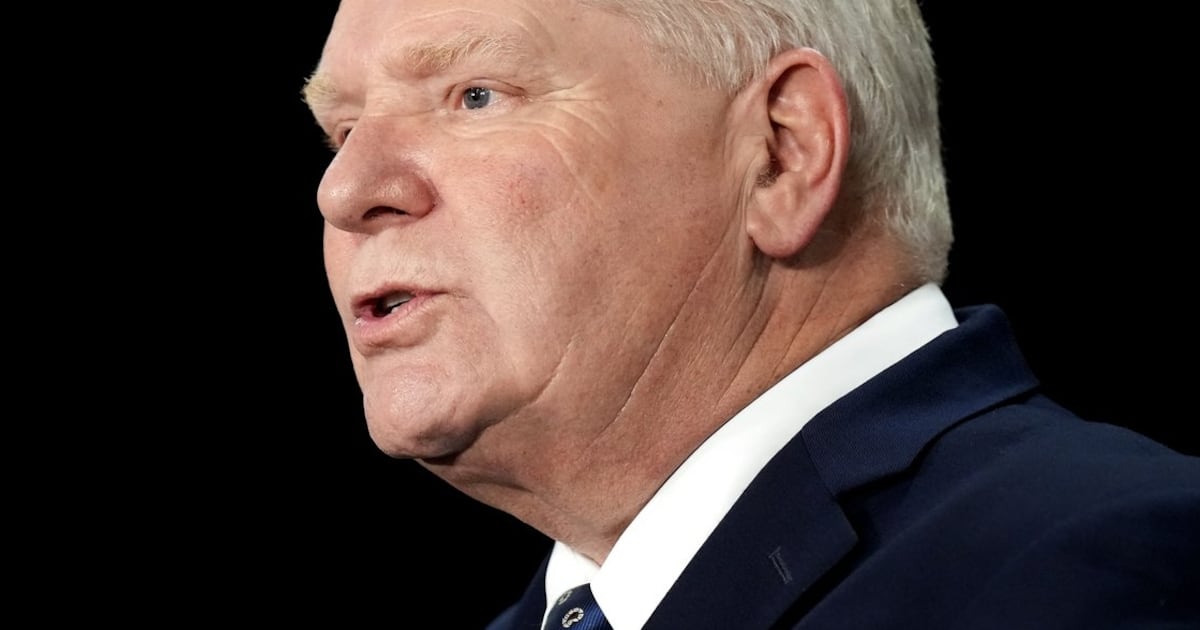
Maple Express | October 2, 2026 — Ford Calls for 30-Year Parole Wait for Those Who Kill Police Officers
 Global Express
Global Express | October 2, 2026 — Eritrea Severs Diplomatic Ties With Ethiopia
-52%MORENTO HY4866 Air Purifier — Dual-Side Intake for Rooms Up to 1076 Sq Ft! $115.99 CAD (52% Off)
Amazon
-26%Dawn Powerwash Dish Spray Kit — Spray, Wipe, Done, 5x Faster on Grease! $17.92 CAD (25% Off)
Amazon
-35%LG Smart Monitor Swing 32U889SA 31.5" 4K UHD Touchscreen — A Rolling Stand That Goes Room to Room! $979.99 CAD (35% Off)
Amazon
-48%BLAVOR 20000mAh Solar Power Bank — 4 Foldable Panels + Camping Light! $67.99 CAD (48% Off)
Amazon
Maple ExpressMaple Express | October 2, 2026 — Ford Calls for 30-Year Parole Wait for Those Who Kill Police Officers
Global Express