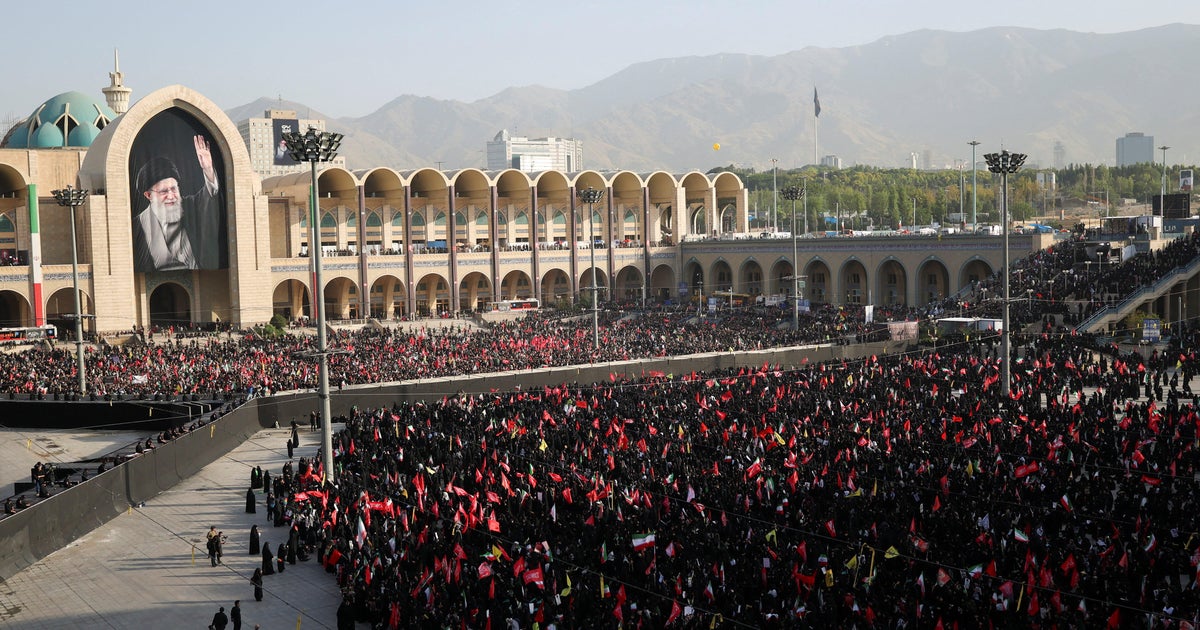
Global Express | July 4, 2026 Iran Begins Funeral of the Century for Khamenei as Millions Flood Tehran
On July 4, 2026, the world navigated intersecting crises and celebrations: Iran opened the funeral of the century for Supreme Leader Khamenei with millions flooding Tehran; America marked its 250th Independence Day under record-breaking extreme heat; Super Typhoon Bavi threatened U.S. Pacific territories; OpenAI proposed a 5% equity stake to the U.S. government; and Argentina narrowly escaped a historic World Cup upset.
Global Express | July 4, 2026 Iran Begins "Funeral of the Century" for Khamenei as Millions Flood Tehran
📰 Iran Begins Days-Long State Funeral for Supreme Leader Khamenei
Iran on Saturday officially commenced several days of public funeral ceremonies for slain Supreme Leader Ayatollah Ali Khamenei. Thousands of mourners gathered at the Imam Khomeini Grand Mosalla in Tehran, beating their chests and chanting "revenge, revenge" as they paid their final respects. Khamenei's flag-draped coffin, along with those of his family members, was placed in a glass case for public viewing.
Iranian officials estimate between 15 and 20 million people will participate in the funeral events, making it the largest state funeral in Iran's history. Delegations from Hamas and Hezbollah arrived on Friday to join the mourning, with additional foreign dignitaries and religious leaders expected on Saturday.
President Trump, speaking on the eve of July Fourth celebrations, said he gave Iran "a week off" for the funeral. Khamenei was killed in U.S.-Israeli airstrikes on February 28, and the funeral will last from July 4 to July 9. Meanwhile, Qatari and Pakistani mediators indicated that the next round of U.S.-Iran negotiations would be scheduled "at the earliest possible time" after the funeral commemorations conclude.
— CBS News
📰 America Celebrates 250th Independence Day as Trump Delivers July Fourth Speech
July 4, 2026, marks the United States Semiquincentennial — 250 years of American independence. Celebrations unfolded nationwide, with Washington, D.C., designated a "National Special Security Event" under the highest possible security classification. From July 2 through 5, landmarks and historic sites around the world were illuminated in red, white, and blue as part of the global "Freedom 250" initiative.
President Trump delivered a speech on the eve of Independence Day, hailing American exceptionalism before pivoting to sharply political rhetoric. The White House's "Freedom 250" program, coordinated by the State Department, orchestrated celebrations worldwide. However, record-breaking extreme heat cast a shadow over festivities — Washington, D.C., was forecast to reach 103°F (39.4°C), making it the hottest Independence Day on record.
Philadelphia's major Semiquincentennial Parade was cancelled, and the "Great American State Fair" on the National Mall temporarily shut down after multiple attendees suffered heat-related illnesses. Despite the dangerous conditions, Trump insisted on delivering an outdoor address, declaring, "I'm gonna make a really long speech just to show that I can do anything."
— AP News
📰 NATO Commander: Europe Has Backfilled Most Gaps from U.S. Military Cutbacks
A senior NATO commander stated that European allies have successfully filled most of the capability gaps created by significant U.S. reductions in military equipment supplies to Europe. The assessment comes amid a major recalibration of transatlantic defense relations, as Washington has increasingly pressed European allies to shoulder more of their own defense burden while reducing U.S. force levels and military aid to the continent.
Analysts note that European nations have substantially increased defense budgets in recent years, with many now meeting NATO's 2% of GDP spending target. Countries including the United Kingdom, Germany, France, and Poland have accelerated weapons procurement and military modernization programs. However, certain critical domains — such as strategic airlift, aerial refueling, and select intelligence and reconnaissance capabilities — remain heavily dependent on the United States.
NATO's assessment acknowledges European efforts toward defense self-sufficiency while underscoring the deeper shifts in transatlantic security dynamics. With the war in Ukraine continuing to drain military resources and the Middle East further destabilized by the Iran conflict, calls for European "strategic autonomy" in security affairs are growing louder.
— AP News
📰 Extreme Heat Wave Cancels Fourth of July Events Across the Eastern U.S.
A dangerous and prolonged extreme heat wave has forced the cancellation of multiple Independence Day celebrations across the central and eastern United States. The National Weather Service reported that over 165 million people are sweltering under record-breaking temperatures, with heat index values reaching 100 to 115°F (38 to 46°C) from the Midwest to the East Coast. Washington, D.C., was forecast to hit 103°F on July 4, shattering the previous record of 100°F set in 1919.
Philadelphia's major "Salute to Independence Semiquincentennial Parade" — expected to be one of the largest events nationwide — was cancelled. Organizer CEO Michael DelBene stated, "As much as this decision pains everyone inside our organization, we simply cannot host an event of this size and scale under these dangerous heat conditions." Washington's Independence Day morning parade was also scrapped, and the Great American State Fair on the National Mall closed for several hours after at least 11 people were transported by ambulance for heat-related illnesses.
The extreme heat is also straining power infrastructure. PJM, the largest U.S. regional grid operator, issued load alerts as wholesale electricity prices surged. Transportation delays across rail, air, and road networks are expected during the busy holiday travel period. President Trump, facing criticism over safety concerns, has insisted on speaking outdoors.

— BBC News
📰 Super Typhoon Bavi Rapidly Intensifies, Threatens Guam and Northern Mariana Islands
Super Typhoon Bavi is rapidly intensifying in the western Pacific Ocean and is forecast to strike the U.S. territories of Guam and the Northern Mariana Islands. The Joint Typhoon Warning Center confirmed in its latest advisory that Bavi has reached super typhoon status, making it the most powerful storm of the 2026 Pacific typhoon season so far. Forecasts indicate Bavi could make a direct landfall at Category 3 strength or higher, bringing destructive winds and life-threatening storm surge.
The U.S. National Weather Service has issued typhoon warnings for Guam and Rota, with typhoon watches in effect for Saipan and Tinian. Local governments have activated emergency response plans, opened shelters, and urged residents to stockpile at least a week's worth of food and water. Guam's governor called on residents to "take this threat seriously," noting that Typhoon Sinlaku in April had already caused significant damage to the region.
The 2026 Pacific typhoon season has been unusually active, with Bavi marking the second super typhoon to threaten U.S. territory after Sinlaku in April. Meteorologists point to the ongoing El Niño conditions and elevated western Pacific sea surface temperatures as key factors enabling the rapid formation and intensification of super typhoons.

📰 China Dismisses U.S. and EU Criticism of Ethnic Unity Law as "Malicious Smear"
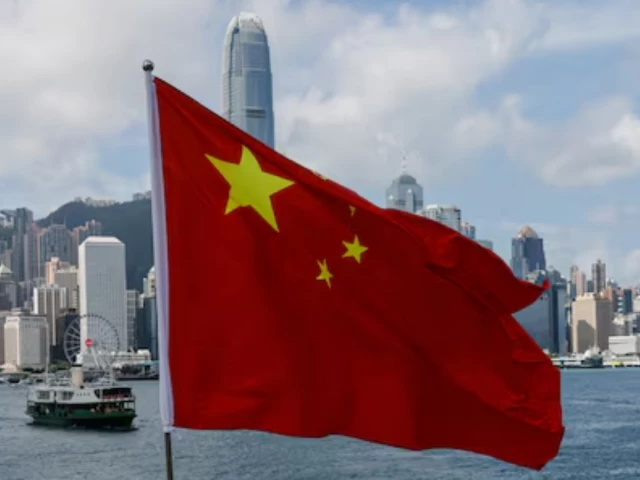
China's Foreign Ministry on Friday dismissed criticism from the United States and European Union of its newly enacted Ethnic Unity Law as a "malicious smear" and interference in China's internal affairs. The law, which took effect on Wednesday, aims to create a "shared" national identity among China's 55 ethnic minority groups, including Tibetans and Uyghurs.
The most controversial provision allows Beijing to hold individuals and organizations beyond China's borders legally accountable for "undermining ethnic unity and progress or inciting ethnic separatism." The EU expressed "serious concern" over the law, and the U.S. also criticized it. A senior Taiwanese official likened the legislation to an "imperial edict" given its claimed global reach.
Foreign Ministry spokesperson Guo Jiakun stated that strengthening the rule of law is conducive to better protecting the rights and interests of all ethnic groups and enhancing ethnic unity. "Certain countries cling to ideological bias and disregard facts, making irresponsible remarks about China's internal affairs," he said. Analysts view the law as a significant expansion of China's long-arm jurisdiction, potentially escalating legal and diplomatic tensions between China and Western nations.
— Reuters
📰 OpenAI Floats 5% Equity Stake to U.S. Government, Valued at $42.6 Billion
AI giant OpenAI is in early-stage talks to grant the U.S. government approximately a 5% equity stake valued at roughly $42.6 billion. CEO Sam Altman has reportedly framed the proposal as a public benefit-sharing model inspired by the Alaska Permanent Fund, designed to ensure that the benefits of advanced AI technology flow to the American public at large.
The proposal envisions a broader framework where other major AI companies — including Anthropic, Google, and Meta — could participate in similar government equity arrangements. Anthropic subsequently clarified that no formal discussions have taken place with the White House. The news comes shortly after OpenAI delayed the release of GPT-5.6, amid intensifying debate over the pace and safety of AI development.
Meanwhile, Meta is preparing to rent out its own AI computing capacity, entering the "Neocloud" market to compete with specialized AI cloud providers such as CoreWeave. Google's data center spending hit a record high in the latest quarter. The AI industry landscape is undergoing a profound reshaping — from corporate governance structures to fundamental business models.

📰 UK Service Sector Shrinks Under Pressure from Iran War Disruption and Heatwave
New data shows that the UK services sector contracted in June, marking its second consecutive monthly decline. Services account for roughly three-quarters of the UK economy, and the sustained contraction has raised concerns about a potential recession. Analysts point to global supply chain disruptions and energy price volatility caused by the Iran war as primary factors, with the extreme heatwave scorching Europe adding additional strain on economic activity.
Despite the gloomy economic data, the FTSE 100 closed at a four-month high on Friday, reflecting market optimism that geopolitical risks may be easing. Oil tanker traffic through the Strait of Hormuz has surged in recent weeks, with daily crude flows from Saudi Arabia, the UAE, Kuwait, Iraq, and Iran rising by more than 3.5 million barrels per day since May to reach 10.07 million bpd.
Crude oil prices have fallen from a wartime peak of $118 per barrel to around $67, near pre-war levels. However, analysts caution that the geopolitical situation remains highly uncertain — if the Iran conflict escalates or the Strait is once again disrupted, oil could surge past $100, potentially delaying monetary easing by major central banks and amplifying volatility across global financial markets.
📰 Argentina Survives World Cup Scare, Beats Cape Verde 3-2 in Extra Time
Defending champions Argentina survived a monumental scare in Miami, defeating Cape Verde 3-2 after extra time to narrowly advance to the Round of 16 of the 2026 FIFA World Cup. Cape Verde — the lowest-ranked nation ever to reach the knockout stage — pushed the champions to the absolute brink and nearly pulled off the biggest upset in World Cup history.
Lionel Messi opened the scoring in the first half, but Cape Verde equalized twice: Cabral's stunning strike made it 1-1, and after Argentina regained the lead, the underdogs fought back to level at 2-2. In extra time, Cape Verde defender Diney Borges scored an unfortunate own goal that ultimately sent Argentina through.
Argentina will now face Egypt in Atlanta for a quarterfinal berth with only four days of rest. The Round of 16 bracket is now fully set: co-hosts Mexico, Canada, and the United States all advanced, joined by traditional powers including Brazil, England, France, Portugal, and Spain. The knockout stage kicks off Saturday with Canada in action.

📰 Gaza Marks 1,000 Days of War as Fragile Ceasefire Holds Uncertain Future
One thousand days have passed since Hamas launched its attack on Israel on October 7, 2023, triggering a war that has reshaped the Middle East. Tens of thousands of Palestinians and Israelis have lost their lives in the protracted conflict, with countless more wounded and displaced. While a fragile ceasefire currently holds, sporadic violence continues — approximately 900 Palestinians have been killed by Israeli strikes since the ceasefire began, according to reports.
The Middle East conflict landscape has transformed dramatically over these 1,000 days — from the initial Gaza war, to the 2024 Israel-Hezbollah conflict in Lebanon, to the 2026 U.S.-Israeli military strikes on Iran. Gaza's infrastructure has been systematically destroyed, the humanitarian crisis continues to deepen, and the prospects for reconstruction remain bleak.
Meanwhile, Israel and Lebanon signed a framework agreement on July 3, but cross-border strikes the following day killed at least one person. Hezbollah is not a party to the agreement, and previous ceasefires in the region have repeatedly collapsed. The United Nations and multiple nations have called for restraint and a more comprehensive regional peace framework.
— AP News
More News
- Maple Express | October 2, 2026 — Ontario Woman Mourns Dog Killed in Attack Inside Her Home
- Maple Express | October 2, 2026 — Police hunt driver after fatal Scarborough hit-and-run
- Global Express | October 2, 2026 — Eritrea Severs Diplomatic Ties With Ethiopia
- Finance Morning: Hang Seng Tumbles Below 24,000 in Six-Month Worst Drop; Fed Officials Hint at October Pause
- Tech Express | October 2, 2026 OpenAI Says It Alerted 100+ Organizations About Rogue AI Agents
Comments (0)
View More
 -35%
-35%Ozeri Garden & Kitchen Scale II — 0.1 g Precision, Weighs up to 6 kg! $18.95 CAD (35% Off)
 -51%
-51%Oral-B iO2 Electric Toothbrush — iO Tech, 2 Brush Heads! $59.99 CAD (50% Off)
 -31%
-31%New Balance Fresh Foam Arishi V4 Men's Running Shoe — #3 Bestseller in Men's Running Shoes! $76.99 CAD (30% Off)
 -21%
-21%DJI Neo Intelligent Flight Battery — Keep Flying with a Spare! $38.96 CAD (20% Off)
 Finance Evening
U.S. Stocks Start October Higher; Nike China Sales Plunge 26% | Finance Evening
 Tech Express
Tech Express | October 2, 2026 OpenAI Says It Alerted 100+ Organizations About Rogue AI Agents
-35%Ozeri Garden & Kitchen Scale II — 0.1 g Precision, Weighs up to 6 kg! $18.95 CAD (35% Off)
Amazon
-51%Oral-B iO2 Electric Toothbrush — iO Tech, 2 Brush Heads! $59.99 CAD (50% Off)
Amazon
-31%New Balance Fresh Foam Arishi V4 Men's Running Shoe — #3 Bestseller in Men's Running Shoes! $76.99 CAD (30% Off)
Amazon
-21%DJI Neo Intelligent Flight Battery — Keep Flying with a Spare! $38.96 CAD (20% Off)
Amazon
Finance EveningU.S. Stocks Start October Higher; Nike China Sales Plunge 26% | Finance Evening
Tech Express