
World News | June 10, 2026 US-Iran Clash in Strait of Hormuz: Apache Helicopter Shot Down, Both Sides Trade Retaliatory Strikes
June 10, 2026 World News: US-Iran clash escalates as Apache helicopter shot down over Strait of Hormuz; oil prices surge to ; global stock markets tumble; 2026 World Cup opens tomorrow; Global Peace Index hits historic low; Taiwan mulls tightening AI chip export controls.
World News | June 10, 2026 US-Iran Clash in Strait of Hormuz: Apache Helicopter Shot Down, Both Sides Trade Retaliatory Strikes
📰 US-Iran Fierce Clashes: US Apache Helicopter Shot Down Over Strait of Hormuz, Both Sides Trade Retaliatory Strikes
President Trump confirmed that a US Apache helicopter was shot down by Iran near the Strait of Hormuz, with both pilots rescued safely. The US subsequently launched airstrikes against targets inside Iran, hitting multiple military installations including Bandar Abbas port. Iran retaliated by launching missiles and drones at Kuwait, Bahrain, and Jordan.
This engagement marks the most serious military escalation between the US and Iran since the April ceasefire. US Central Command stated that the incident is under investigation, but the Trump administration has squarely blamed Iran. Analysts fear the conflict could evolve into a protracted war of attrition with far-reaching consequences for the global economy.
Iran's Supreme Leader's military advisor warned that Tehran would launch additional missile and drone strikes if the US continues attacking Iran. The international community has called on both sides to exercise restraint and prevent the Strait of Hormuz — a critical global energy chokepoint — from descending into full-scale warfare.
— NPR
📰 Israel-Iran Ceasefire Nears Collapse: Most Intense Clashes in Months
Prime Minister Netanyahu announced a suspension of attacks on Iran but refused to formally recognize the ceasefire agreement. This follows the IDF's June 7 bombing of southern Beirut, Iran's retaliatory ballistic missile strikes on Israel, and subsequent Israeli counter-strikes.
This exchange marks the largest military confrontation between the two countries since the April ceasefire. Trump claims to be pushing a nuclear negotiation framework, but senior Iranian officials say they see no "serious willingness" from the US to finalize any deal. Lebanese President Aoun condemned Israel's attack as "a flagrant violation of Lebanese sovereignty and international law."
Economically, any successful diplomatic effort to prevent the Iran war from reigniting could save the global economy approximately .2 trillion. However, with the situation in southern Lebanon remaining tense and border friction between Israel and Hezbollah continuing, the Middle East peace outlook remains bleak.

— CNN
📰 2026 World Cup Opening Imminent: Three Opening Ceremonies Across US, Mexico, and Canada
The 2026 FIFA World Cup officially kicks off on June 11, marking the first time the tournament is jointly hosted by three nations. Mexico City's Estadio Azteca will host the opening match, while three distinct opening ceremonies take place simultaneously across the United States, Canada, and Mexico.
The opening ceremonies are directed by acclaimed creative director Marco Balich (who has helmed multiple Olympic opening ceremonies), built around the theme of football uniting humanity. Canada will showcase its cultural mosaic, Mexico will highlight its traditional papel picado art, and the US will present a "supercharged spectacle." This World Cup features a record 104 matches across 16 host cities.
The final will be held on July 19 in New York. The tournament will also welcome World Cup debutants including Uzbekistan, Jordan, Cape Verde, and Curacao.

📰 Global Peace Index Hits Historic Low: Conflicts Reach Highest Level Since WWII
The Institute for Economics & Peace's 2026 Global Peace Index shows peacefulness deteriorating for the 12th consecutive year. The number of active interstate conflicts reached 61, the highest since the end of World War II. Peacefulness declined in 99 countries, the most in the index's 20-year history.
The economic impact of violence increased by 3.2%, reaching a record .81 trillion, equivalent to 10.5% of global GDP. Global conflict deaths exceeded 181,000 in 2025, a six-fold increase from 2008. The report also warns that AI-driven warfare is rapidly transforming the battlefield — drone attacks increased by over 11,500% between 2018 and 2025.
Global military expenditure reached a record .9 trillion. The report notes that traditional international law and diplomatic frameworks have fallen far behind the pace of technological change, with "machines making life-or-death combat decisions faster than any human review."

— Institute for Economics & Peace
📰 Oil Prices Surge Toward : ExxonMobil Warns Inventories May Hit Critical Lows
Brent crude oil prices surged above per barrel amid escalating US-Iran military conflict. Since the US and Israel launched joint strikes on Iran on February 28, oil prices have risen approximately 30% cumulatively. ExxonMobil issued a warning that global oil inventory levels could fall to critical lows within weeks.
US Energy Secretary Chris Wright attempted to calm markets, stating that vessel traffic through the Strait of Hormuz is "significantly increasing." But investor concerns about Iran potentially continuing to blockade the world's most important oil transit route remain elevated. UBS analysts note that Hormuz transit restrictions could persist longer than expected.
Despite reports of ongoing ceasefire negotiations between the US and Iran, market volatility is expected to continue alongside Middle East developments. Iran has previously demonstrated its control over the strait through attacks on tankers and mine blockades.

— CNBC
📰 Global Stock Markets Tumble: S&P 500 Falls 1%, Capital Flees Risk Assets
On June 10, US stock futures fell sharply, with the S&P 500 dropping approximately 1%. The sudden outbreak of US-Iran military conflict rattled global financial markets, sending investors fleeing from risk assets. The resulting surge in crude oil prices further intensified concerns about the global economy.
Analysts point to three main drivers: sharply escalating geopolitical risk in the Middle East, inflation concerns as oil prices approach , and investors seeking safe havens amid heightened uncertainty. Tech and semiconductor sectors face additional pressure from cross-strait tensions.
Just one day earlier (June 9), Wall Street had seen a modest rebound on signs of geopolitical easing, but Iran's retaliatory strikes quickly reversed market sentiment. Investors are now closely watching this week's upcoming CPI data to assess whether inflationary pressures could constrain the Federal Reserve's monetary policy options.

📰 Taiwan Mulls Tightening AI Chip Export Controls to China: May Criminalize Smuggling
According to sources familiar with the matter, Taiwan is considering substantially tightening controls on AI chip exports to China to further align with US measures. The initiative aims to crack down on the smuggling of advanced AI chips such as NVIDIA's through Taiwan into mainland China. Currently, Taiwan does not classify unauthorized AI chip exports to China as a criminal offense, only prosecuting through other charges such as document forgery.
If enacted, the new regulations would enable Taiwan to prosecute AI chip smugglers as criminals for the first time. The Lai Ching-te administration has been taking an increasingly hardline stance on technology industry security. In April, a Taiwanese court sentenced a Tokyo Electron engineer to ten years in prison for stealing TSMC trade secrets.
China's Foreign Ministry previously criticized the DPP administration for "genuflecting to the US and selling out Taiwan." Taiwan Foreign Minister Lin Chia-lung stated last year that Taiwan has no intention of weaponizing semiconductors, but "if others harm our interests, we will respond." Taiwan's stock market has surpassed Germany and France to become the world's fifth-largest.

📰 US Urges Europe to Impose Ebola Travel Restrictions Ahead of World Cup
The Trump administration has called on European countries to follow the US lead in imposing travel restrictions on individuals who have recently stayed in Central African Ebola-affected areas, aiming to prevent virus transmission during the World Cup. The US issued a diplomatic note on June 1 formally urging European nations to adopt such measures. Mexico and Canada have already implemented travel restrictions.
There are currently no approved vaccines, rapid tests, or specific treatments for the latest Ebola strain. The World Cup will be held across 16 cities in the US, Canada, and Mexico and is expected to draw massive numbers of international travelers — raising health officials' concerns about it becoming a potential transmission vector.
The Ebola outbreak in Central Africa continues, with the Red Cross and other relief organizations intensifying disinfection and epidemic prevention efforts. The WHO has not yet issued a global travel warning, but the US's unilateral push could trigger divisions among European countries on diplomatic and public health policy.

— Reuters
📰 Pope Leo XIV's Spain Visit: Surprises Passengers by Visiting the Cockpit
During his week-long visit to Spain, Pope Leo XIV unexpectedly entered the aircraft cockpit on June 9 while flying from Madrid to Barcelona, subsequently greeting all passengers and crew members. The Pope also spoke via radio with the Spanish Air Force fighter jets escorting his plane — a down-to-earth gesture that drew widespread attention.
In Barcelona, the Pope will celebrate Mass at the iconic Sagrada Familia basilica. He also addressed the faithful in both Catalan and Spanish, showing respect for local culture. The Spain visit is part of the Pope's series of international pastoral trips, following a youth prayer vigil in Madrid.
The Pope's approachable style continues the image he has cultivated since taking office. Spanish Air Force fighters escorted the papal plane throughout its journey, with a grand welcoming ceremony held at Madrid's Plaza de Lima.

— NBC News
📰 Cuba Crisis Deepens: Nationwide Blackouts, Fuel Depletion, Bahamas Issues Travel Warning
Four months into the US oil blockade, Cuba has descended into an unprecedented infrastructure collapse. The state electric company can only provide a few hours of power per day, leaving the island in darkness most of the time. Severe fuel shortages have not only crippled daily life but have also brought Cuba's iconic fleet of classic American cars to a near standstill on the streets.
The Bahamas government has issued a travel advisory urging citizens to avoid non-essential travel to Cuba, citing severe power outages, fuel shortages, banking system collapse, and escalating safety concerns. The US has further restricted payment systems, including Visa and Mastercard usage in Cuba, to cut off the communist government's tourism revenue stream.
Cubans are living through a no-electricity, no-gas, no-sleep nightmare. Even in the capital Havana, a sense of despair pervades the streets. Analysts warn that Cuba's collapse could create a highly dangerous security vacuum on America's doorstep.

More News
- Immigration | October 26, 2026 Express Entry's new scoring takes effect November 3: high-wage job offers worth up to 100 points
- Global Express | October 26, 2026 - Serbia's Vucic Concedes Defeat, Ending 14 Years in Power
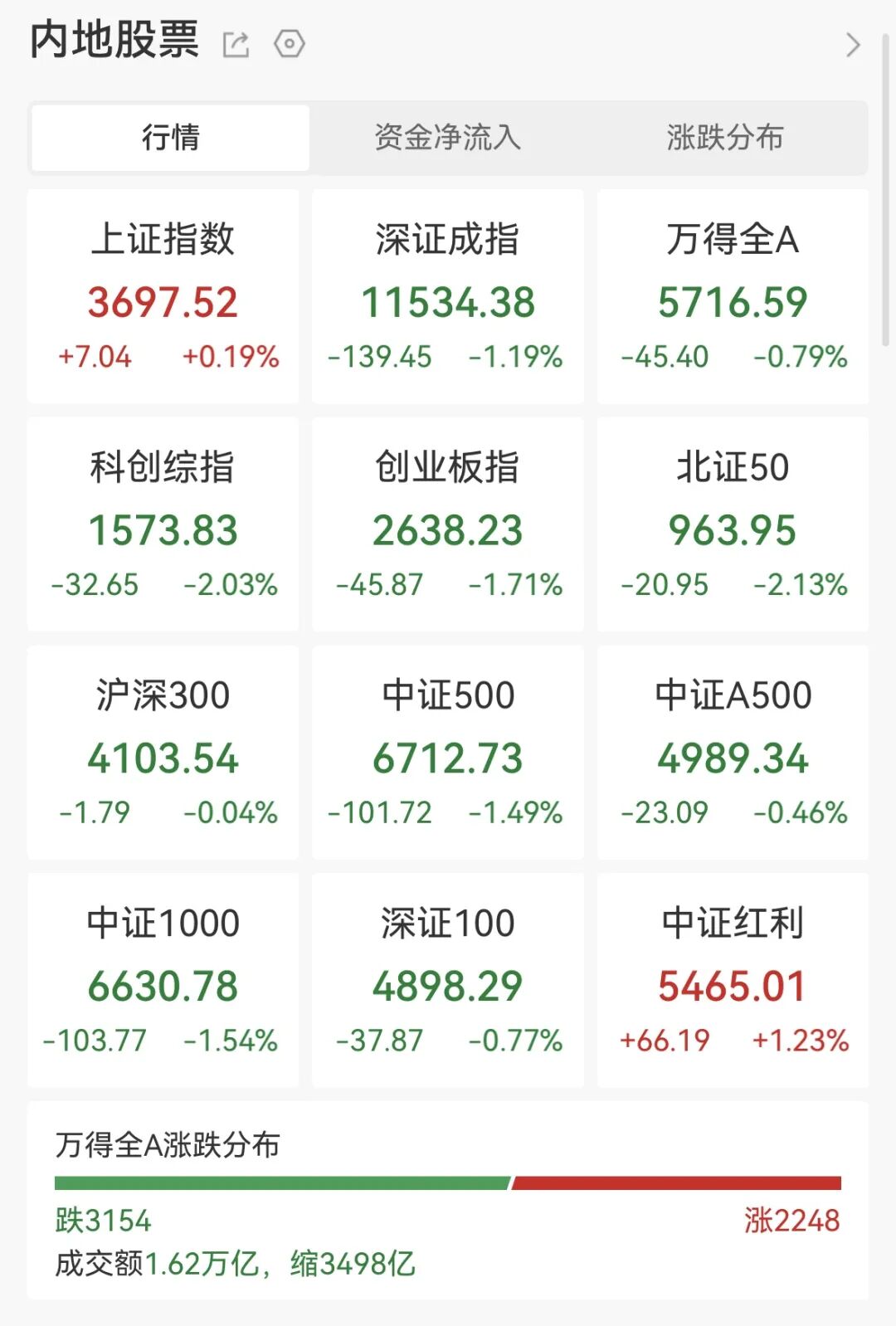
- Finance Morning | October 26, 2026 — Shanghai Edges Up 0.19% as Banks and Oil Lead, Asia Mostly Lower
- Tech Express | October 26, 2026 - Huawei's Kirin Chips Return to Public View as Mate 90 Lights Up Landmarks
- Sports Express | October 26, 2026: Seahawks Hand Chiefs First Loss of Season
Comments (0)
View More
 -34%
-34%Acer EK271 27" IPS Monitor — 120Hz and 1ms for Work or Play! $119.99 CAD (33% Off)
 0
0Worth Buying: LG Ultrafine 32UN650K-W 32" 4K UHD IPS Monitor — 95% DCI-P3 and HDR10 for Work and Photo Editing
 -14%
-14%ASUS Chromebook CX1 15.6" — 11 Hours of Battery for Class and Couch! $389.99 CAD (13% Off)
 -32%
-32%Alienware 15" Gaming Laptop — 165Hz WUXGA Display with RTX 3050! $1,499.99 CAD (32% Off)
 Immigration
Immigration | October 26, 2026 Express Entry's new scoring takes effect November 3: high-wage job offers worth up to 100 points
 Finance Morning
Finance Morning | October 26, 2026 — Shanghai Edges Up 0.19% as Banks and Oil Lead, Asia Mostly Lower
-34%Acer EK271 27" IPS Monitor — 120Hz and 1ms for Work or Play! $119.99 CAD (33% Off)
Amazon
0Worth Buying: LG Ultrafine 32UN650K-W 32" 4K UHD IPS Monitor — 95% DCI-P3 and HDR10 for Work and Photo Editing
Amazon
-14%ASUS Chromebook CX1 15.6" — 11 Hours of Battery for Class and Couch! $389.99 CAD (13% Off)
Amazon
-32%Alienware 15" Gaming Laptop — 165Hz WUXGA Display with RTX 3050! $1,499.99 CAD (32% Off)
Best Buy
ImmigrationImmigration | October 26, 2026 Express Entry's new scoring takes effect November 3: high-wage job offers worth up to 100 points
Finance Morning