
Immigration | October 5, 2026 Carney Signals Canada May Resume Immigration Growth as Next Levels Plan Looms
This week: PM Carney signalled Canada may resume immigration growth ahead of the next three-year levels plan (2027-2029). Express Entry draws invited 2,000 Canadian Experience Class candidates and 3,500 tradespeople. Canada extended Ebola-related immigration and travel bans to November 27, and IRCC launched personalized processing times for work permits and PGWPs. On study, international enrolment fell while domestic rebounded, BC campus housing eased, and IRCC updated FMCSP renewal rules.
1. Carney Signals Canada May Resume Immigration Growth as Next Levels Plan Looms
Source: immigration.ca
On Tuesday, September 29, 2026, Prime Minister Mark Carney signalled in an interview with The New York Times, reported by The Canadian Press, that Canada’s period of immigration cuts may be nearing its end, saying the government is now weighing when to allow a “controlled increase” in the country’s population. Carney said Canada’s immigration system is “back under control” after the post-pandemic population surge and several years of reductions.
The remarks come roughly one month before the federal government is legally required to table its next three-year Immigration Levels Plan, which will set permanent and temporary resident targets for 2027 through 2029. Carney did not announce specific numbers, and no changes to current targets have been made; any new targets will be confirmed only when the plan is tabled in Parliament. The current 2026-2028 plan, released on November 5, 2025, held permanent resident admissions flat while continuing to cut temporary arrivals.
Statistics Canada data may explain why the government feels the system is back under control: Canada’s population was estimated at 41,798,407 on July 1, 2026, up just 189,425 people (0.5%) year over year, the smallest July-to-July increase since 1944/45. The temporary resident share has fallen from a peak of 7% in October 2024 but remains above the government’s 5% goal. Not everyone supports an increase: the C.D. Howe Institute’s immigration targets council, whose members include former Alberta premier Jason Kenney, has recommended continuing to reduce arrivals over the next three years.

2. Canada Invites 2,000 Canadian Experience Class Candidates in Latest Express Entry Draw
Source: CIC News
On Tuesday, September 29, 2026, Immigration, Refugees and Citizenship Canada (IRCC) issued 2,000 invitations to apply (ITAs) for permanent residence to Canadian Experience Class (CEC) candidates through the Express Entry system. It was Canada’s 58th Express Entry draw of 2026, with a minimum Comprehensive Ranking System (CRS) cut-off of 518.
According to CIC News, IRCC has issued 131,715 ITAs through Express Entry so far in 2026. Canadian Experience Class draws accounted for 17 rounds and 55,250 ITAs, while selections continued to favour candidates with ties to Canada, especially provincial nominees and those with Canadian work experience; the Provincial Nominee Program accounted for as many as 19 draws.
Foreign nationals in Canada who have applied for permanent residence through Express Entry may also be eligible for a Bridging Open Work Permit (BOWP). If their current work permit expires before a decision is made on the BOWP, they can keep working under maintained status under the same conditions, provided they remain in Canada. Eligible family members may also apply for an open work permit.

3. Canada Invites 3,500 Tradespeople Through Express Entry
Source: CIC News
On Thursday, October 1, 2026, Immigration, Refugees and Citizenship Canada (IRCC) invited 3,500 tradespeople to apply for permanent residence — Canada’s 59th Express Entry draw of 2026. Candidates in the Trades category needed to meet the category’s work experience requirements; for the CRS cut-off of 476, affected candidates had to have created their profiles on or before May 28, 2026 at 16:55:23 UTC.
According to CIC News, 2026 Express Entry selections have leaned heavily toward candidates with ties to Canada, particularly provincial nominees and those with Canadian work experience. The Trades category held two draws during the year, issuing 6,500 ITAs in total; the Provincial Nominee Program had the most draws at 19. Over 2026, IRCC issued 135,215 ITAs in total.
As with all Express Entry draws, foreign nationals in Canada who have applied for permanent residence may be eligible for a Bridging Open Work Permit (BOWP). If their permit expires before a decision is made on the BOWP, they can keep working under maintained status under their existing conditions, and eligible family members may also apply for an open work permit.

4. Canada Extends Ebola-Related Immigration and Travel Restrictions to November 27
Source: CIC News
On Tuesday, September 29, 2026, CIC News reported that Canada has extended its Ebola-related entry restrictions, continuing to bar foreign nationals living in the Democratic Republic of the Congo, Uganda and South Sudan, and also barring foreign nationals who have travelled to the DRC in the past 21 days. The measures will remain in effect until November 27, 2026, as announced by the federal government in a notice published on September 28.
Under the document suspension, anyone who listed the DRC, Uganda or South Sudan as their last country of residence on their application is barred from travelling to Canada, even with a previously approved visa, permit or electronic travel authorization (eTA). IRCC said new and existing applications affected by the measures will continue to be processed but will not be finalized while the measures are in effect.
Canadian citizens and landed permanent residents who have been in those three countries within the past 21 days may still enter Canada but must undergo a health assessment on arrival: those without symptoms must quarantine for 21 days, while those showing symptoms must isolate in a medical facility. Foreign nationals entering Canada with past-21-day travel to Uganda or South Sudan must also submit to a health assessment and 21-day quarantine. The first set of measures was introduced on May 27, 2026, and this is a further extension.

5. Canada Launches Personalized Processing Times for Work Permit Extensions and PGWPs
Source: CIC News
This week, after updating its processing times web page in late September 2026, Immigration, Refugees and Citizenship Canada (IRCC) launched personalized processing time estimates for applicants for work permit extensions and post-graduation work permits (PGWPs). Applicants can look up the estimated number of weeks remaining based on when they applied; before this update, the page offered only a single estimate based on the time of lookup.
On the page, after selecting “Temporary residence” as the application type, visitors can choose “Work permit extension in Canada” from the drop-down menu to see the estimated remaining wait in weeks. The page also shows the number of work permit applicants ahead of them and the total number of applicants awaiting a decision. It estimates 202,900 applicants as awaiting decisions as of September 26, 2026, the date the data was most recently updated.
The estimate based on time of application is available only to in-Canada applicants extending existing work permits or submitting their first PGWP application as an international student graduate; those counted among the extensions also include in-Canada permit holders applying to change the conditions of their permits. In addition, a temporary measure in place since June 9, 2026 (until December 31) lets some base Provincial Nominee Program (PNP) permanent residence applicants apply for a bridging open work permit months sooner, exempting them from first obtaining an acknowledgement of receipt. IRCC launched personalized processing times for citizenship and permanent residence applicants in October 2025.

6. As International Student Numbers Tumble, Domestic Postsecondary Enrolment Rebounds
Source: The Globe and Mail
Statistics Canada data released this week show that domestic enrolment at Canadian colleges and universities is growing at the fastest pace in more than 15 years, but it is barely enough to fill the gap left by Ottawa’s clampdown on international student admissions. For the 2024-25 academic year, 2.3 million students enrolled in public colleges or universities, a slight 0.1% increase from the previous year.
That muted overall growth masked a sharp split between domestic and international students: domestic enrolment rebounded to 2010-11 levels, while the number of students from abroad fell by 39,600, or 6.9% — the steepest decline since at least the early 1990s, when Statistics Canada began keeping records. A weak job market for younger Canadians may be prompting more people to pursue postsecondary education, a pattern expected to continue this school year, with many schools reporting a strong rebound in domestic applications.
Several provinces have also invested to add more spaces for domestic students in fields facing labour shortages, such as health care, the sciences and the trades. But colleges and universities still face continuing declines in international enrolment; federal restrictions on international study permits have forced some institutions to suspend programs and close campuses. Because Canadian schools charge international undergraduates about five times more in tuition, an even larger rebound in domestic students would be needed to make up the shortfall.

7. Drop in International Students Eases Canadian University Housing Crunch
Source: The Tyee
On Wednesday, October 1, 2026, The Tyee reported that a drop in international students has eased university housing pressure in British Columbia. A rental market survey shows one-bedroom apartments on the University Endowment Lands (the UBC campus) average $2,469 per month, rising to $3,281 for two-bedroom units, compared with an average of $1,807 for a one-bedroom in Vancouver and $2,364 for a two-bedroom. In Facebook rental groups, a single room starts at about $1,100 per month in areas such as Kitsilano, while rooms on the UBC campus can reach $1,750 a month.
Tom Davidoff, associate professor and director of the Centre for Urban Economics and Real Estate at UBC, said housing is deemed unaffordable at more than 30% of income, adding that “it’s hard to spend less than $1,000 per month even with roommates in good locations for not great space.” He noted that students earning less than $36,000 a year are hurting for sure. International students are limited to 24 hours of work per week off campus and up to 40 hours on campus; at B.C.’s minimum wage of $18.25, part-time work averages about $450 a week.
The federal government decided in January 2024 to cut international student permits from one million to 725,000 in September 2025; according to IRCC, 408,000 study permits are available in 2026 for new arrivals and in-Canada extensions. Davidoff called the policy “phenomenally successful in deleting demand,” but said the cost is that fewer people are able to come make a life in Canada. Jodah of HOUSE said the decision helped slow rent growth but did not solve the underlying student housing crunch, doing nothing to build long-term non-market supply and reducing tuition revenue some institutions had put toward housing investment.
8. IRCC Updates Study Permit Renewals Under Francophone Pilot
Source: ImmigCanada
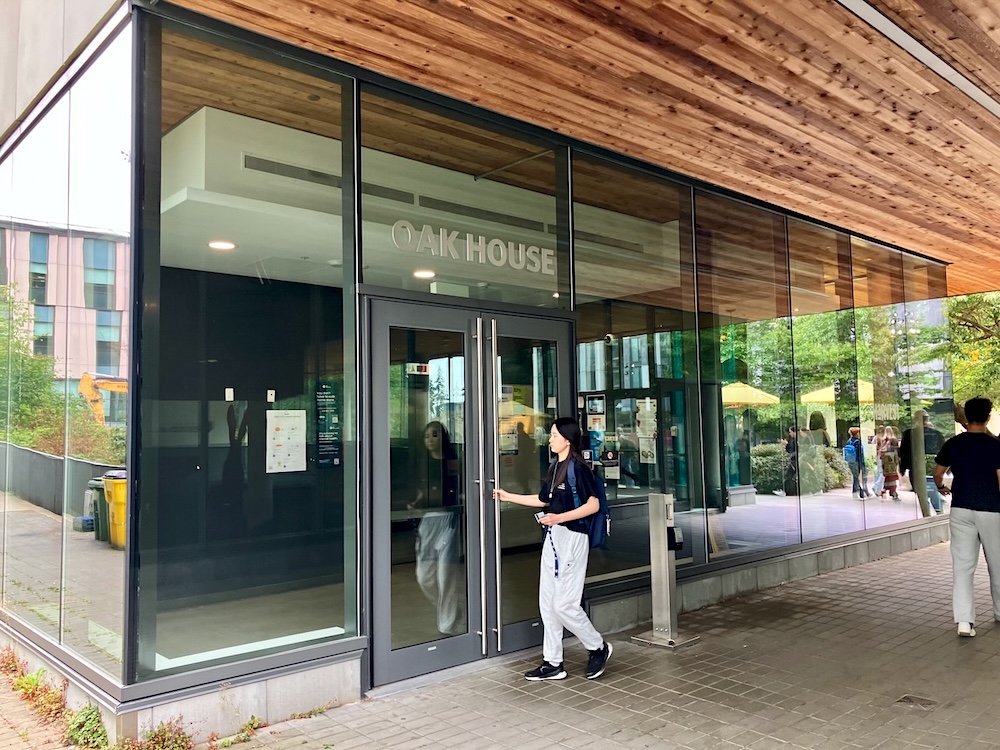
On Friday, October 2, 2026, ImmigCanada reported that Immigration, Refugees and Citizenship Canada (IRCC) has refreshed its operational instructions for study permit renewals under the Francophone Minority Communities Student Pilot (FMCSP). The update is aimed at students studying in French outside Quebec: those who qualify receive special handling, including exemptions that ease the usual requirement to prove they will leave Canada.
To renew, applicants must hold a valid study permit issued under the FMCSP; apply to renew under section 217 of the Immigration and Refugee Protection Regulations; and submit a letter of acceptance or enrolment from a participating designated learning institution showing the pilot, a full-time postsecondary program of at least two years leading to a degree or diploma, more than 50% of classes taught in French, and a program end date before the expiry of the public policy supporting permanent residence for participants.
On financial proof, applicants must show funds for their first year of tuition and travel, plus funds equal to 75% of the low income cut-off (LICO), with the amount depending on the size of the community where the main campus sits (IRCC groups communities from A to E — Group A covers cities over 500,000 people, Group E covers rural areas); a tuition deposit can count as proof. For family members, spouses or common-law partners may apply for an open work permit and dependent children for a study permit or visitor record, with concurrent processing available when applying at the same time. In-Canada applicants use form IMM 5709; for initial applications, the letter of acceptance must include the PPECFSM code, or the file may instead be assessed under the regular study permit stream.

More News
- Global Express | October 5, 2026: Japan Summons US Ambassador Over Okinawa Killing Case
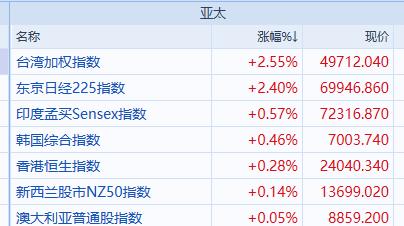
- Finance Morning | Asia Stocks Rally Broadly as Hang Seng Reclaims 24,000; Nikkei Tops 70,000
- Tech Express | October 5, 2026 — Google Pauses Open Source Bug Bounty Program After Surge in AI Submissions
- Sports Express | October 5, 2026 - Braves rally past Dodgers 3-2 to even NLDS
- Maple Express | October 5, 2026 — Quebec Votes as Sovereignty Referendum Looms
Comments (0)
View More
 -38%
-38%Amazon Smart Air Quality Monitor — Keeps Tabs on Temp, Humidity, PM2.5, VOCs & CO at Once! $55.99 CAD (38% Off)
 -34%
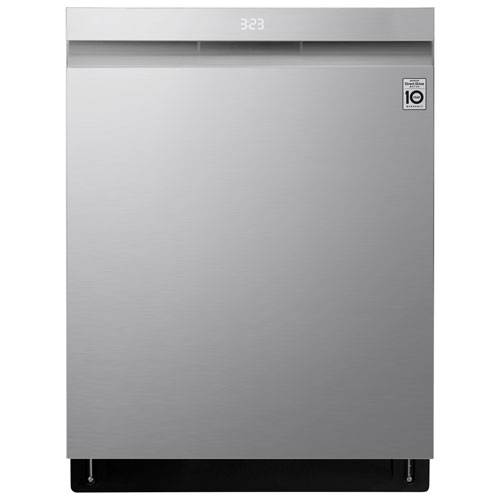
-34%LG 24" 44dB Smart Top-Control Dishwasher (LDPS6762S) — QuadWash Pro, TrueSteam & Third Rack, 15 Place Settings! $799.99 CAD (33% Off)
 -63%
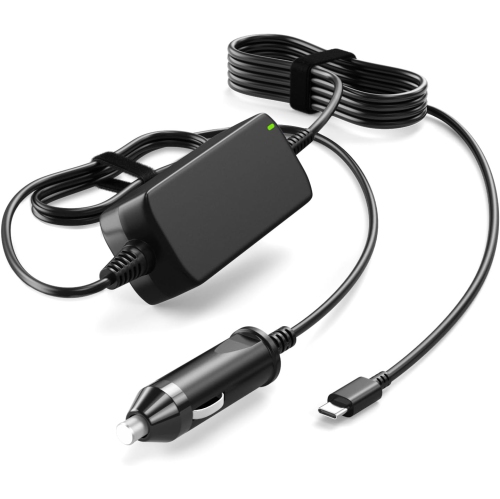
-63%DOLAER USB-C 100W PD Car Charger — Full-Speed Charging for Laptops & Steam Deck! $18.99 CAD (63% Off)
 -16%
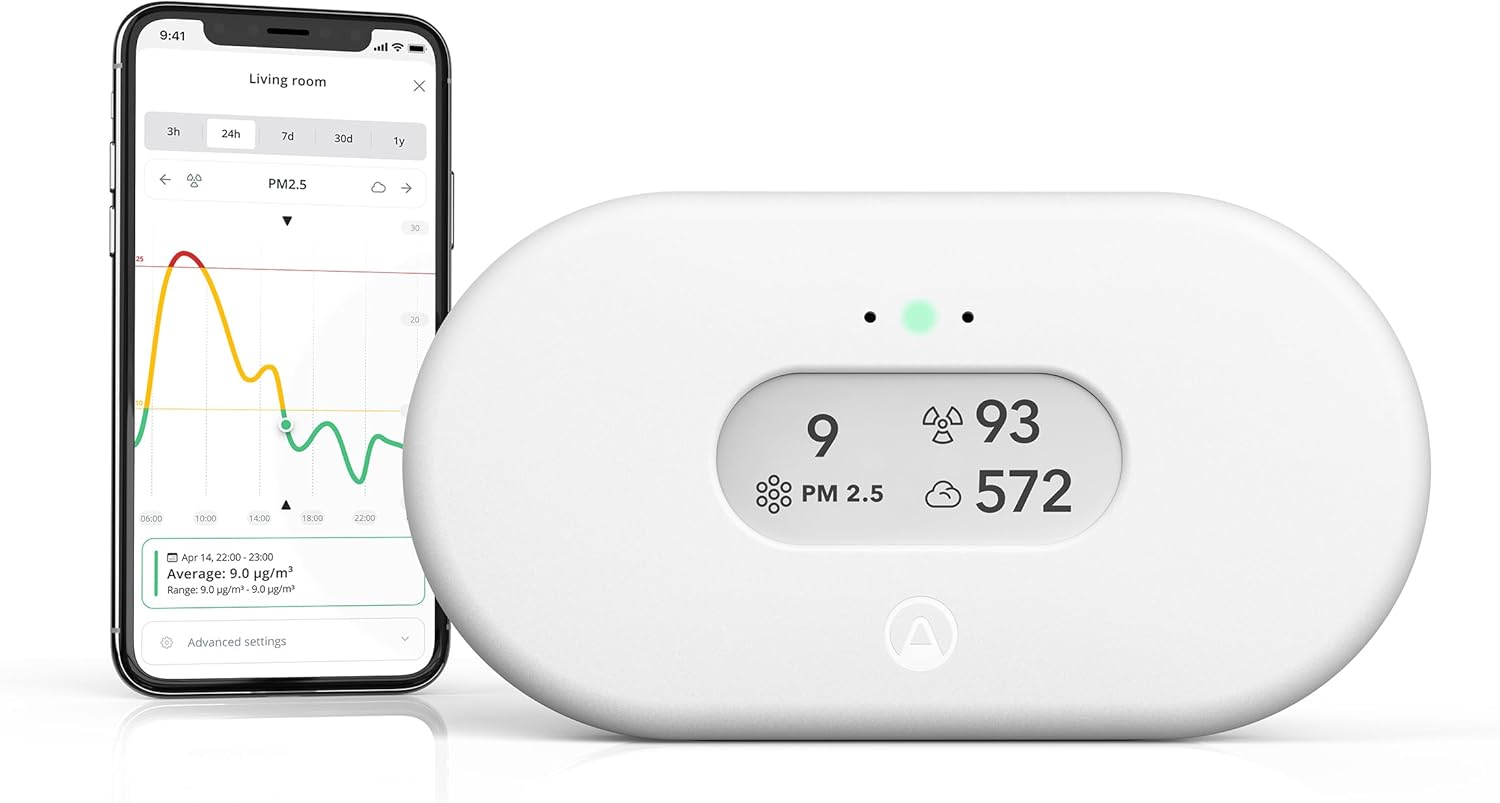
-16%Airthings View Plus — Radon & Air Quality Monitor! $319.99 CAD (16% Off)
 Sports Express
Sports Express | October 5, 2026 - Braves rally past Dodgers 3-2 to even NLDS
 Finance Morning
Finance Morning | Asia Stocks Rally Broadly as Hang Seng Reclaims 24,000; Nikkei Tops 70,000
-38%Amazon Smart Air Quality Monitor — Keeps Tabs on Temp, Humidity, PM2.5, VOCs & CO at Once! $55.99 CAD (38% Off)
Amazon
-34%LG 24" 44dB Smart Top-Control Dishwasher (LDPS6762S) — QuadWash Pro, TrueSteam & Third Rack, 15 Place Settings! $799.99 CAD (33% Off)
Best Buy
-63%DOLAER USB-C 100W PD Car Charger — Full-Speed Charging for Laptops & Steam Deck! $18.99 CAD (63% Off)
Best Buy
-16%Airthings View Plus — Radon & Air Quality Monitor! $319.99 CAD (16% Off)
Amazon
Sports ExpressSports Express | October 5, 2026 - Braves rally past Dodgers 3-2 to even NLDS
Finance Morning