
World News | June 17, 2026 G7 Leaders Back US-Iran Ceasefire Framework as Iranian Tankers Exit Strait of Hormuz
G7 leaders in Évian-les-Bains unanimously backed the US-Iran ceasefire framework as the first Iranian oil tankers in months exited the Strait of Hormuz. Meanwhile, the Bank of Japan raised rates to a 30-year high, a Russian warship fired warning shots at a British yacht in the English Channel, and new Fed Chair Kevin Warsh presided over his first policy meeting.
World News | June 17, 2026 G7 Leaders Back US-Iran Ceasefire Framework as Iranian Tankers Exit Strait of Hormuz
📰 G7 Leaders Unanimously Back US-Iran Peace Framework
At the G7 summit in Évian-les-Bains, France, world leaders threw their collective support behind President Donald Trump's tentative agreement with Iran, calling it a "historic opportunity" to end months of Middle East conflict. The G7 joint statement demanded an immediate ceasefire in Lebanon and pledged to diversify energy supply routes to reduce dependence on the Strait of Hormuz.
Canada's Prime Minister told reporters on the sidelines that the US-Iran agreement is a "game changer." Allied leaders simultaneously worked to push the war in Ukraine back up Trump's agenda — more than four years after Russia's full-scale invasion, allies fear Iran has consumed too much American diplomatic bandwidth.
Trump met with Qatar's Emir Sheikh Tamim bin Hamad Al Thani during the summit to discuss the Middle East peace process. According to White House briefings, the framework agreement includes financial incentives for Iran, though Trump stressed the memorandum is "not final" and warned the US could resume military action if Iran fails to comply.
📰 Trump Warns US Will "Go Back to Dropping Bombs" If Talks Fail
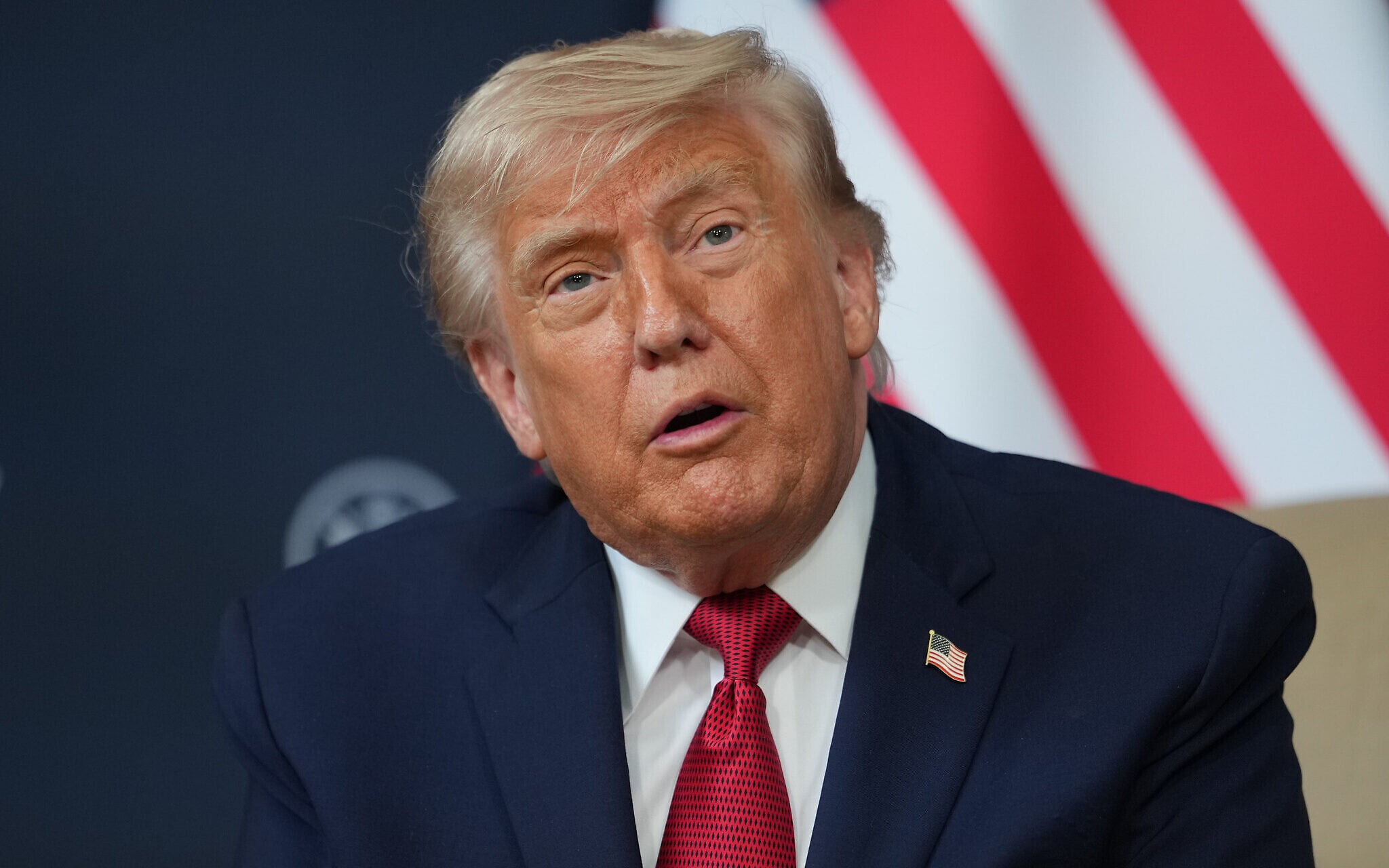
President Donald Trump reiterated at the G7 summit that the memorandum of understanding with Iran is "not final," warning that Washington could resume military strikes against Iran if "they don't behave." Trump emphasized that a deal to reopen the Strait of Hormuz was unavoidable but maintained deep skepticism about Tehran's commitments.
Vice President JD Vance did not deny reports of a potential $300 billion reconstruction fund for Iran when questioned by CBS News, though Trump later clarified that "we are not investing any money in Iran." Trump acknowledged that the devastation from the conflict might necessitate future investment in Iran's reconstruction, but said it was not his immediate focus.
Iran, meanwhile, laid out its own conditions. Foreign Minister Abbas Araghchi called for Israel's withdrawal from Lebanon ahead of the formal signing, signaling that Tehran is linking regional security arrangements to the peace deal. Israel remains wary of the agreement, concerned that Iran could use economic relief to rearm.
📰 Iranian Oil Tankers Exit Strait of Hormuz for First Time in Months
The first tankers carrying Iranian crude oil have left the Strait of Hormuz since the US naval blockade began two months ago, a ship-tracking website announced on June 17. The development marks the first tangible result of the US-Iran ceasefire agreement — the reopening of the world's most critical oil transit chokepoint.
The US-Israeli military campaign against Iran, launched in February, severely disrupted global energy markets. The Strait of Hormuz handles roughly one-fifth of the world's oil shipments, and the blockade sent international crude prices soaring to multi-year highs. With the ceasefire framework taking effect, oil prices have seen a notable decline.
The memorandum of understanding between Iran and the United States was signed electronically on June 15, with a formal in-person signing expected on June 19 in Geneva. The document is structured as a general framework covering ceasefire terms, energy corridor access, and partial sanctions relief. Analysts caution, however, that detailed implementation faces significant hurdles.

— Radio Free Europe/Radio Liberty
📰 Bank of Japan Raises Rates to 1%, Highest in 30 Years
The Bank of Japan raised its policy rate to 1% on June 17, the highest level since 1995, meeting the expectations of economists polled by Reuters. This is the BOJ's first hike since December, when it raised rates to 0.75%, continuing the policy normalization that began in 2024.
The tightening comes as Japan grapples with a persistently weak yen and creeping inflation, partly driven by energy price volatility stemming from the Iran war. The rate hike represents a decisive step in the BOJ's exit from decades of ultra-loose monetary policy.
Market reaction was relatively muted, with the Nikkei index fluctuating modestly after the announcement. Analysts note that a 1% policy rate remains low by global standards, but the symbolic weight of the move is substantial given Japan's long history of zero or negative interest rates. The BOJ signaled it will adjust policy flexibly based on economic and price developments.
— CNBC
📰 New Fed Chair Warsh Presides Over First Meeting, Markets Watch Rate Path
New Federal Reserve Chair Kevin Warsh chaired his first Federal Open Market Committee meeting on June 17, with global financial markets closely scrutinizing his policy stance. Warsh assumed the Fed chairmanship under the Trump administration, and the market widely expects rates to remain unchanged at this meeting.
However, traders are more focused on any hints Warsh might offer about the future rate trajectory. CME FedWatch data shows futures markets are no longer pricing in any rate cuts for 2026 — a stark contrast to earlier this year when markets anticipated at least two quarter-point cuts by December. The US economy continues to demonstrate resilience, complicating the inflation outlook.
Analysts say that while falling oil prices linked to the Iran ceasefire could ease inflationary pressures, the Trump administration's fiscal policy leanings and trade measures could push prices higher. Whether Warsh can maintain the Fed's independence under political pressure remains a central market concern.
📰 Russian Warship Fires Warning Shots at British Yacht in English Channel
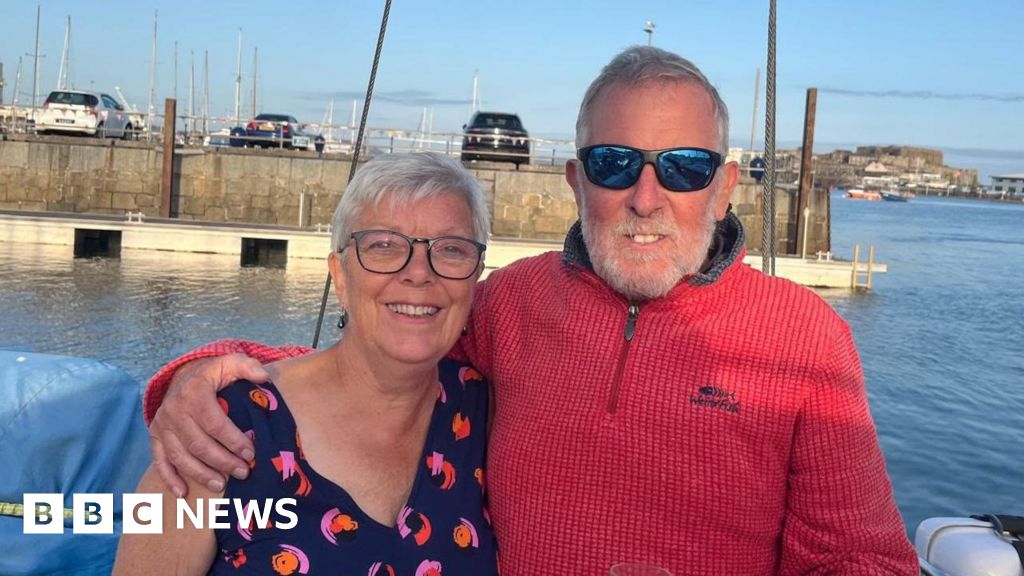
The Russian frigate Admiral Grigorovich fired warning shots within a few hundred meters of a British pleasure yacht sailing across the English Channel on June 16, escalating tensions between London and Moscow. The incident occurred about 20 nautical miles south of the Isle of Wight, outside UK territorial waters.
Russia's Defense Ministry claimed the crew fired rifle shots into the yacht's path after repeated failed attempts to contact the vessel by radio, along with launching warning flares. The ministry insisted the sailors acted in "strict compliance with international norms." However, the retired British couple aboard told BBC Newsnight they had tried to show the warship they had changed course.
Prime Minister Keir Starmer called the Russian vessel's actions "reckless," and the UK Ministry of Defence has launched an investigation. Analysts say the incident, occurring against the backdrop of ongoing tensions over the Ukraine war, adds to European security uncertainty. The Royal Navy has increased patrols in the English Channel.
— BBC News
📰 B-52 Bomber Crashes in California, Killing All 8 Aboard
A US Air Force B-52 Stratofortress strategic bomber crashed shortly after takeoff at Edwards Air Force Base in California on June 15, bursting into flames and killing all eight crew members aboard. It is the first B-52 crash since 2016 and the deadliest since 1982, when nine crew members died in a training accident near Sacramento.
Air Force officials said the aircraft was on a "routine test mission" at the time of the crash. Witnesses reported seeing the bomber lose altitude rapidly after takeoff before hitting the ground and exploding. Investigators are analyzing flight data and debris to determine the cause of the accident.
The B-52 has been the backbone of America's strategic bomber force since the 1950s, continuously upgraded and still in frontline service. Edwards Air Force Base is one of the Air Force's most important flight test centers, with a history of aviation breakthroughs. The crash has renewed scrutiny of aging military aircraft maintenance and operational safety.

— CNN
📰 UN Secretary-General Visits Haiti as Gang Violence Displaces Over 10% of Population
UN Secretary-General António Guterres arrived in Port-au-Prince, Haiti, on June 16 for an urgent visit as surging gang violence has left more than one in ten Haitians homeless. The humanitarian situation has deteriorated sharply, with armed gangs controlling most of the capital.
Guterres said the international community must ramp up support for Haiti, including a new international security force scheduled for deployment. He emphasized that security measures alone cannot resolve the crisis and must be paired with political dialogue and economic development initiatives.
Prime Minister Alix Didier Fils-Aimé accompanied Guterres on visits to key facilities. Haiti has been mired in a severe political and security vacuum since the 2021 assassination of its president, with armed gangs dominating vast swaths of the capital. UN data shows over 5,000 people have been killed in gang violence in the first half of 2026 alone.
📰 UK Appeals Court Rules Palestine Action Ban Is Lawful
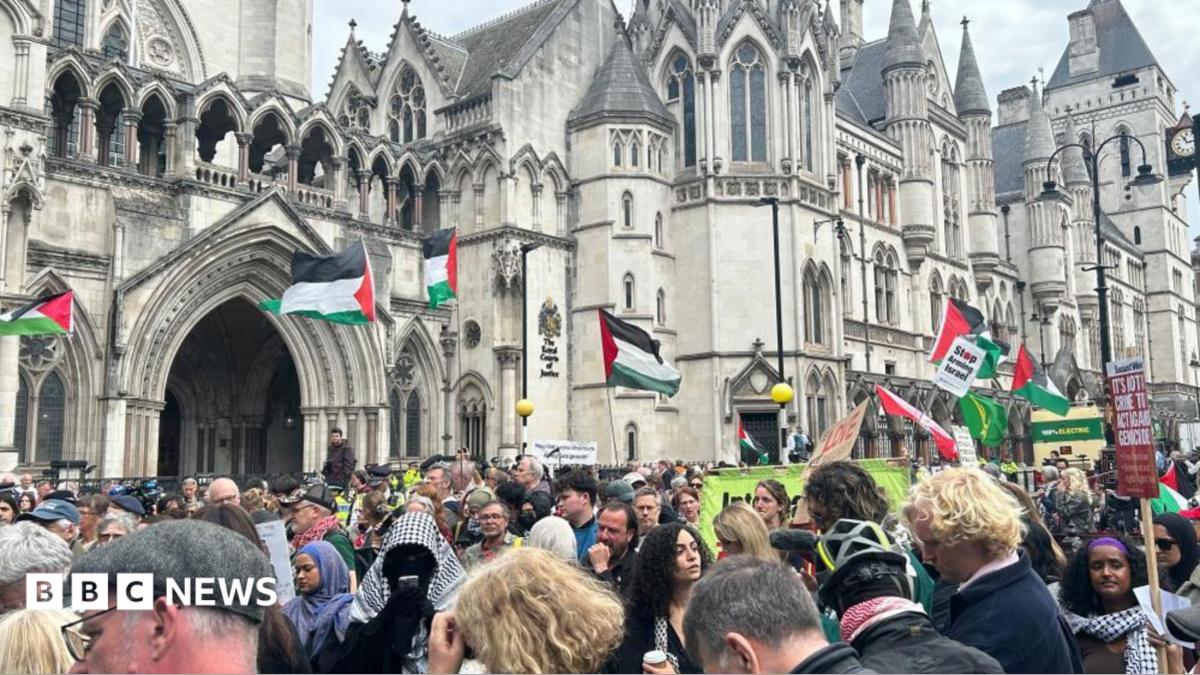
London's Court of Appeal ruled on June 15 that the British government acted lawfully when it banned the protest group Palestine Action as a terrorist organization under the Terrorism Act. The ruling overturned a lower court decision that the proscription should be quashed, handing the government a major victory on the scope of counter-terrorism powers.
Since the ban was imposed in July 2025, more than 3,000 protesters have been arrested — ranging from students to an 83-year-old retired vicar. Amnesty International UK criticized the ruling, stating that "the banning of Palestine Action as a terrorist organization is a grave misuse of counter-terrorism powers with serious consequences for human rights."
Palestine Action co-founder Huda Ammori vowed to "fight this all the way," signaling the legal battle is far from over. The group, known for direct action against businesses linked to Israel, has become a flashpoint in the debate over the boundary between free speech and national security.
— BBC News
📰 Taiwan Says Chinese Pressure Is the "New Normal"
Taiwan's Foreign Ministry declared on June 17 that pressure and suppression from mainland China has become the "new normal." The statement also revealed that Chinese authorities detained several Taiwanese scholars in Mombasa, Kenya, confiscating their passports and mobile phones and holding them for over 20 hours before release.
The incident comes amid persistently high tensions across the Taiwan Strait. China has intensified efforts to squeeze Taiwan's diplomatic space in recent years while routinely sending military aircraft and naval vessels into the waters and airspace around the island. Taiwan says China is imposing increasingly stringent restrictions globally on holders of Taiwanese passports.
Analysts note that while the world's attention is focused on the Iran war, cross-strait tensions have not eased. China's heightened pressure on Taiwan ahead of the G7 summit may be aimed at signaling to the international community that the Taiwan issue remains a core Chinese interest not open to external interference.
— NPR
Comments (0)
View More
 -38%
-38%Samsung Odyssey 27" QHD OLED Gaming Monitor — 240Hz + 0.03ms! $499.99 CAD (38% Off)
 -28%
-28%Lefant M210 Pro Robot Vacuum — 4000Pa Suction & 200 Min Runtime, Great for Pet Hair! $129.99 CAD (28% Off)
 -29%
-29%JBL Boombox 3 Waterproof Bluetooth Speaker — IP67 + 24-Hour Battery! $429.99 CAD (28% Off)
 -21%
-21%BIC Round Stic Blue Pens (60 Pack) — The Pen That Just Works, 12¢ Each! $7.18 CAD (20% Off)
 Finance Morning
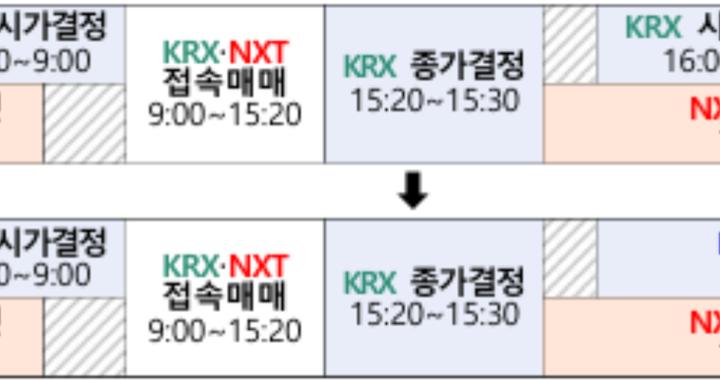
Finance Morning: 10-Year U.S. Treasury Yield Tops 5% to Highest Since 2007
 Sports Express
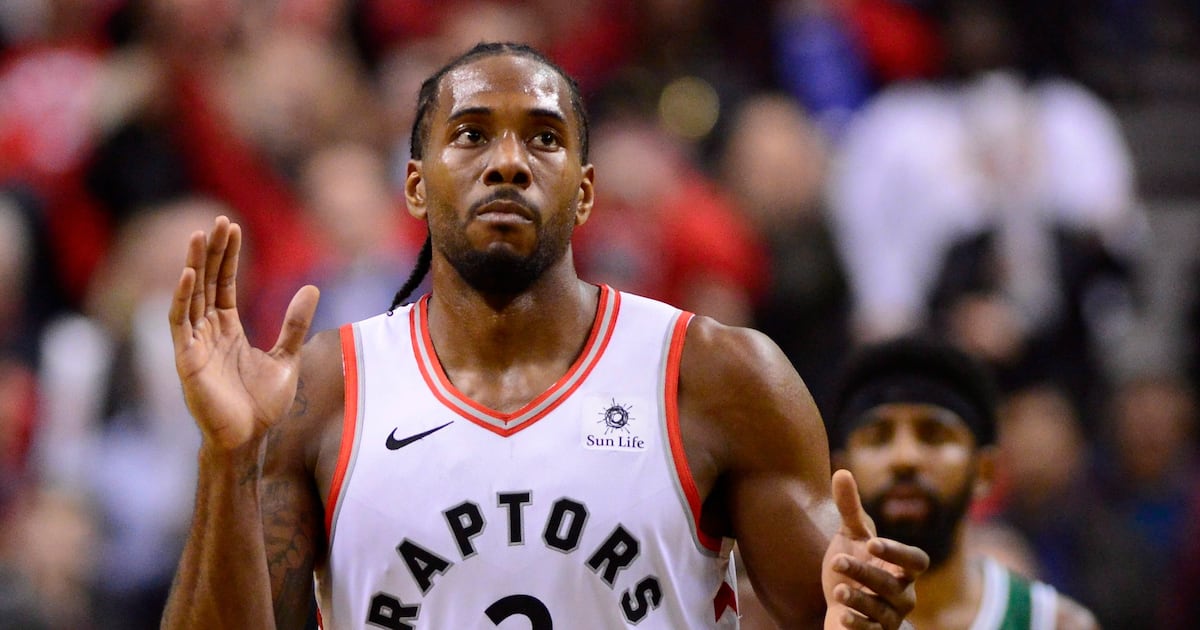
Sports Express | Sep 15, 2026 Kawhi Leonard Trade Official, Returns to Raptors
-38%Samsung Odyssey 27" QHD OLED Gaming Monitor — 240Hz + 0.03ms! $499.99 CAD (38% Off)
Best Buy
-28%Lefant M210 Pro Robot Vacuum — 4000Pa Suction & 200 Min Runtime, Great for Pet Hair! $129.99 CAD (28% Off)
Amazon
-29%JBL Boombox 3 Waterproof Bluetooth Speaker — IP67 + 24-Hour Battery! $429.99 CAD (28% Off)
Best Buy
-21%BIC Round Stic Blue Pens (60 Pack) — The Pen That Just Works, 12¢ Each! $7.18 CAD (20% Off)
Amazon
Finance MorningFinance Morning: 10-Year U.S. Treasury Yield Tops 5% to Highest Since 2007
Sports Express