
Finance Evening | October 15, 2026 — Dow Rises 556 Points as Investors Rotate Out of AI, TSX Surges 552 Points
U.S. stocks rose Oct. 15, the Dow up 556.21 points as investors rotated out of AI; Sept. PPI jumped 6.3% y/y. South Korea's KOSPI fell about 7%, while Canada's TSX gained 552.64 points. Canada's India mission netted 30 deals worth $300M; 71% of business leaders polled by KPMG are bullish on the fall budget. Fed's Lisa Cook's lawyer challenged a Trump panel's fairness, and the BoC's No. 2 said rates can't fix housing. Chevron's CEO said oil buffers are drained; Social Security rises 3.6% in 2027.
📊 Today's North American Markets
| Index | Close | Change | % Change |
|---|---|---|---|
| S&P 500 | 7,744.06 | +25.12 | +0.33% |
| Nasdaq Composite | 26,713.03 | +20.16 | +0.08% |
| Dow Jones Industrial | 52,177.69 | +556.21 | +1.08% |
| TSX (Toronto) | 36,137.10 | +552.64 | +1.55% |
| CAD/USD | 1.4184 | -0.0049 | -0.34% |
| WTI Crude | 96.12 | -0.38 | -0.39% |
| Gold | 4,192.50 | +22.40 | +0.54% |
1. Dow Jumps 556 Points as Investors Rotate Out of AI Trade Source: CNBC
U.S. stocks finished higher on Thursday, but concerns that tech companies are overspending on artificial intelligence pushed investors to rotate out of the AI trade and seek value elsewhere, while traders also digested economic data pointing to persistent inflation. The Dow Jones Industrial Average added 556.21 points, or 1.08%, to end at 52,177.69. The S&P 500 gained 0.33% to close at 7,744.06, and the tech-heavy Nasdaq Composite rose 0.08% to 26,713.03 after being down as much as 1.4% intraday.
Worries in the AI space continued to simmer. Sources told CNBC that Anthropic's revenue grew to $16.8 billion in the third quarter, with some traders concerned the AI giant's top line might not be growing fast enough to justify chipmakers' lofty valuations. Seagate Technology and Western Digital extended their declines this week, and a drop in SK Hynix drove a rout in South Korea's Kospi index overnight, with traders fretting about a potential memory chip glut as South Korea faces growing competition from China. Tesla CEO Elon Musk wrote on X that "China will be making a LOT of RAM in 2028."
Other AI-linked names bounced, however: CoreWeave gained nearly 6%, reversing the prior session's more than 15% slide, and Micron Technology rebounded to gain nearly 2%. Gains outside tech also supported the market, with Walmart up 1.5% and Nike up more than 5%. On inflation, the September producer price index rose 1.3% on the month and 6.3% year over year, the biggest monthly and yearly gains since 2022.
2. Global Chip Sell-off Deepens as South Korea's Market Plunges 7% Source: Yahoo Finance
Chip stocks extended losses on Thursday as a global semiconductor sell-off deepened overnight, with South Korea's benchmark KOSPI tanking about 7%. In the U.S., chip giants Nvidia and AMD fell more than 2% and 3%, respectively, and Broadcom and Intel also declined. Memory makers Micron and SK Hynix opened lower, deepening the prior session's chip-sector decline on Wall Street as worries about further Fed rate hikes sparked by a hot inflation read collided with fears of AI-driven debt financing.

3. Cracks Show in the Stock Market as Doubts Grow About AI Investments Source: NBC News
Just one week after hitting fresh all-time highs, U.S. stocks are showing signs of strain as investors begin to fret about returns on the trillions of dollars poured into AI. At Thursday's close, the S&P 500 was off about 1% from its record a week earlier, while the tech-heavy Nasdaq had fallen more than 3% below its peak last week. For U.S. consumers, it could mean a shakier economy ahead. Nearly half of all U.S. economic growth this year is attributable to tech-related spending.
One driver of the declines: the Financial Times reported Wednesday that Anthropic's quarterly revenue growth has slowed. The AI giant is expected to be worth more than $1 trillion when it goes public, and at nearly $17 billion its revenue is still massive; the company said it is profitable. There are also rising concerns that China-based memory technology companies could undermine or even overtake their Western rivals, and fears that Chinese mass production of memory chips could flood the market with oversupply. Meanwhile, investors have begun selling off the bonds backing some data centers, mainly over fears that AI revenues won't cover the sums borrowed to build them.
Economist Ed Yardeni, a widely respected market commentator, lowered his year-end target for the S&P 500 to 7,900 on Thursday, down from 8,400, citing rising investor caution about the AI trade and lingering doubts about inflation and higher interest rates.
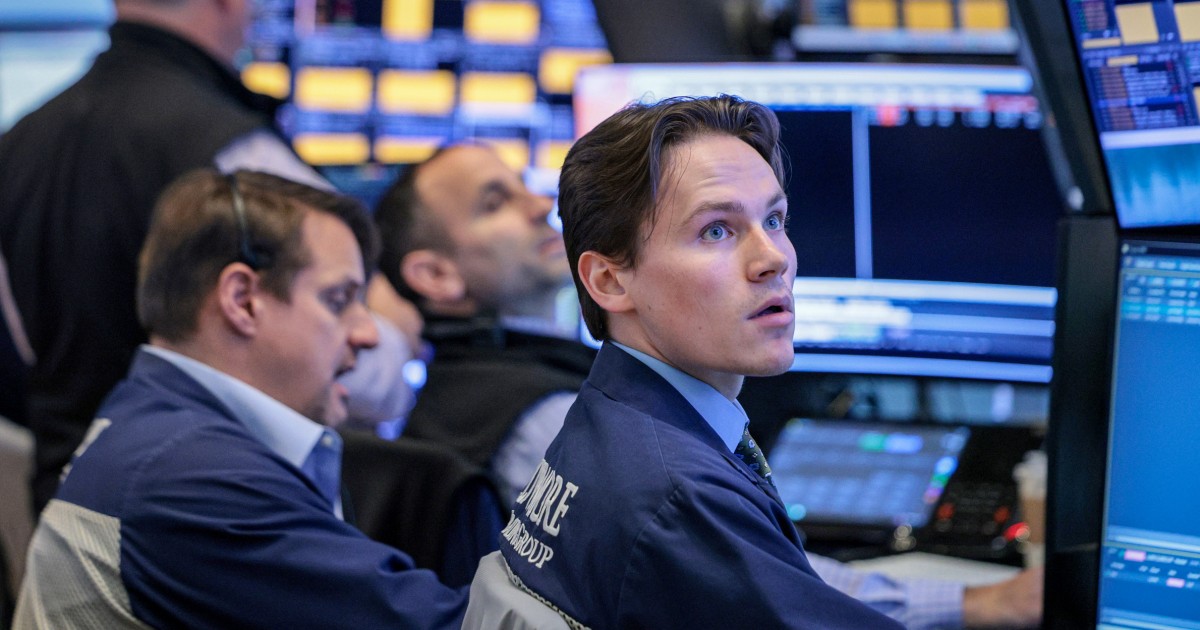
4. Canada's TSX Closes 552 Points Higher, Canadian Dollar Strengthens Source: BNN Bloomberg
Canada's main stock index closed more than 500 points higher on Thursday, helped by broad-based gains, while U.S. stock markets also ended in the green after a mixed start. The S&P/TSX composite index was up 552.64 points at 36,137.10. In New York, the Dow Jones industrial average was up 556.21 points at 52,177.69, and the S&P 500 was up 25.12 points at 7,744.06.
The Canadian dollar traded for 70.44 cents US compared with 70.11 cents US on Wednesday. The December crude oil contract was up US$2.60 at US$96.50 per barrel, and the December gold contract was up US$62.20 at US$4,170.10 an ounce. This report by The Canadian Press was first published Oct. 15, 2026.
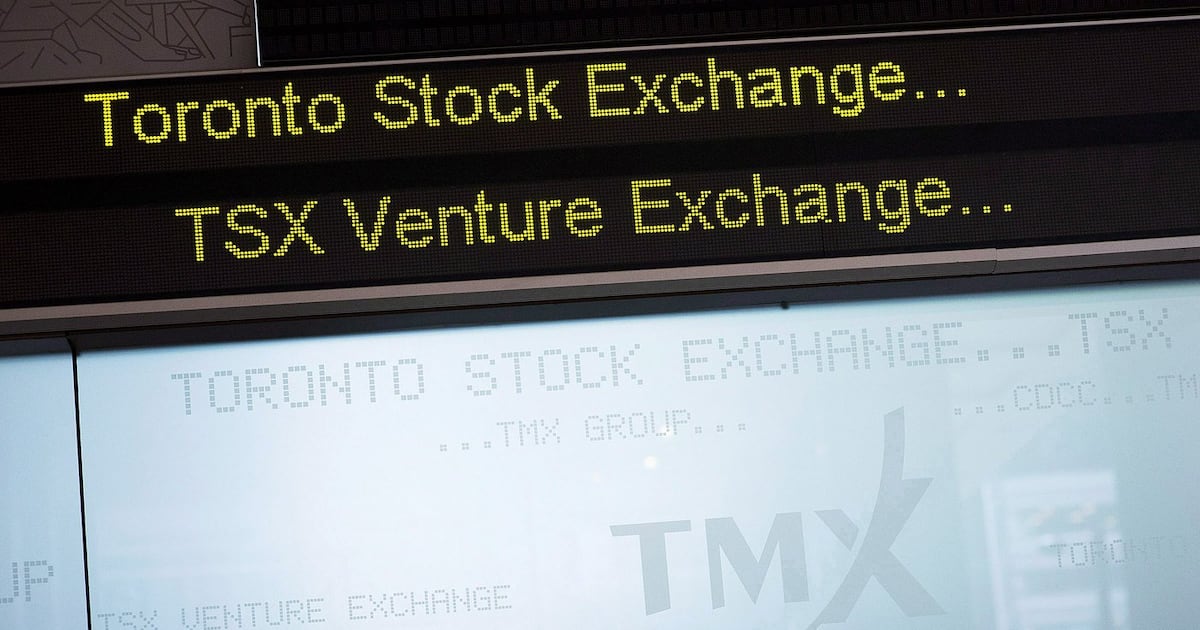
5. Canada Takes Its Largest Trade Mission to India in 30 Years, Nabs About 30 Deals Source: CBC
Canada's largest trade mission to India in 30 years has netted about 30 commercial partnerships worth $300 million, according to International Trade Minister Maninder Sidhu. "It's a market we can't ignore," Sidhu told CBC News in an interview in Mumbai this week. Sidhu is leading a weeklong trade pitch in New Delhi, Mumbai and Bengaluru with a 300-member Team Canada.
The mission is the prelude to a significant trade pact, CEPA (Comprehensive Economic Partnership Agreement), which Canada is racing to conclude before mid-December, when India's Prime Minister Narendra Modi is expected to visit Canada. Canada is looking to bring down Indian tariffs, including on commodities such as pulses and potash. The mission reflects a significant shift in Canadian-Indian relations, which ruptured three years ago after Justin Trudeau's government said intelligence showed "credible allegations" linking Indian government agents to the fatal shooting of a Sikh separatist leader in B.C.; India called the claims "absurd."
India's population of 1.4 billion and seven per cent economic growth rate is a big draw for business. Agri-Neo, a Canadian food safety technology company, is pitching Indian exporters on its method to pasteurize and process dry goods, eyeing India's role as the world's No. 1 spice exporter.

6. Business Leaders 'Cautiously Optimistic' About Federal Budget; 71% Bullish in KPMG Poll Source: CP24
As Canada's business leaders await the release of the 2026 federal budget, a majority say they're optimistic about Prime Minister Mark Carney's economic and fiscal plans as long as they lead to "concrete action," research suggests. On Thursday, KPMG released the results of a recent poll that found 71 per cent of business leaders expect a "business-friendly budget that improves their prospects" from the federal Liberals this fall.
Although Canada's economic outlook is clouded by trade tensions with the U.S., the need for lawmakers to put forward a plan that mitigates that uncertainty is partly why leaders are so bullish, argues Lachlan Wolfers, national leader at KPMG Law Canada. The poll also suggests leaders back the Carney government's push to diversify Canada's economy beyond the U.S.: 76 per cent said diversifying to non-U.S. markets is more important now than six months ago, and 84 per cent support Canada's pursuit of partnerships with more stable trading partners such as the European Union.
In addition, 72 per cent of business leaders said they are willing to be patient in negotiations if it means a more favourable trade deal in the months ahead, KPMG found. The firm said nine in 10 leaders support Canada becoming more self-reliant and diversifying its economy, and nearly three-quarters say reforms to improve Canada's competitiveness are more important right now than securing a trade agreement with the United States.
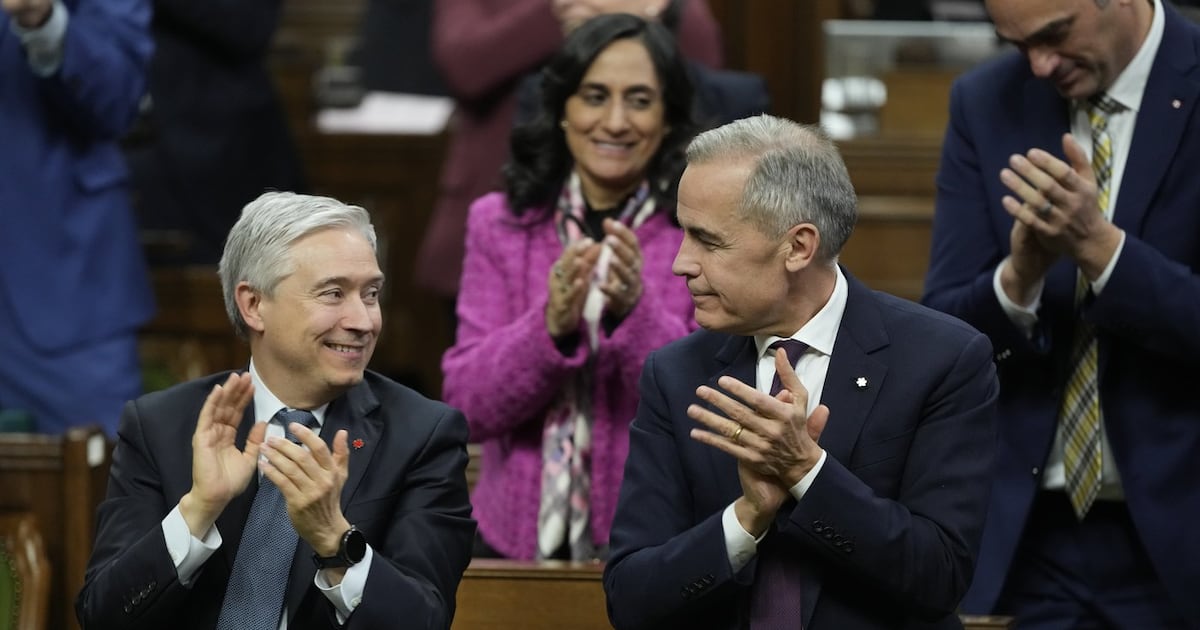
7. Fed Governor Lisa Cook's Lawyer Challenges Impartiality of Trump Panel Source: Fox Business
An attorney for Federal Reserve Governor Lisa Cook is challenging the impartiality of a White House committee investigating mortgage fraud allegations against her, raising concerns about the fairness of President Donald Trump's latest effort to remove her from the central bank. In an Oct. 13 letter reviewed by Reuters, attorney Abbe Lowell questioned the inclusion of National Economic Council Director Kevin Hassett on the three-member panel, saying Hassett had previously pressured Cook to take leave and suggested Trump had "cause" to fire her.
Lowell questioned how a hearing with "demonstrably biased members," unspecified additional allegations and no explanation for why additional evidence was being disclosed now could be fair. Cook is a Fed governor, and the Trump administration is seeking to remove her from the central bank.

8. Bank of Canada's No. 2 Confirms Interest Rates Can't Fix Housing Affordability Source: Yahoo! Finance Canada
One of the senior officials at the Bank of Canada just gave Canadians shopping for a home or mortgage a big reality check: interest rates are too blunt to fix housing affordability. Speaking to business leaders and financial analysts in early October, Bank of Canada Senior Deputy Governor Carolyn Rogers argued that interest rates—the Bank's primary monetary policy tool—are too crude to solve housing affordability. Raise rates and fewer buyers qualify for mortgages and loans; cut rates and, with supply still tight, prices can climb again.
Her message lands even with the Bank's next rate decision scheduled for the end of October—and at a time when the last of the pandemic-era five-year mortgages come up for renewal. For buyers and borrowers alike, the smarter move is to plan around the rate you can get today, not the one you're hoping for.
Rogers is second-in-command at the BoC, so when she focused on Canada's housing affordability dilemma, people took notice, particularly because she was admitting that Canada's central bank wouldn't be delivering a solution to housing affordability any time soon. Her core point is that monetary policy can't target housing on its own. "We set one interest rate for the whole economy," she said. She also emphasized the limits of rates on the housing cycle; as she explained in a BoC article, rates "can't build homes, rezone land or speed up permits."

9. Chevron CEO: Oil Buffers That Cushioned the Iran War Shock Have Been 'Drained' Source: Fortune
The Iran war has pushed fuel prices to record highs, and the head of America's second-largest oil company says the world has run out of easy ways to absorb the shock. "Those are all buffers in the system that have bought us time, but they've been drained," Chevron CEO Mike Wirth told CNBC's Squawk Box Europe on Oct. 7. "And so we're at much lower levels of inventory right now, and it makes the system more vulnerable to disruption." Wirth said the world entered 2026 well supplied, but since the war began in late February those cushions have been steadily depleted.
Nowhere is the squeeze sharper than diesel. The U.S. average hit a record $6.53 a gallon on Sept. 22, according to AAA data cited by CBS News, up from about $3.76 before the U.S. and Israel launched the war in late February; California's statewide average has topped $8 a gallon. In its October Oil Market Report, released Wednesday, the International Energy Agency said the diesel market will stay tight well into 2027 and hinges on a recovery of fuel supply from the Middle East. It expects global oil supply to fall by an average of 5.8 million barrels a day this year, to 100.7 million barrels a day, before rebounding in 2027, and forecasts that high prices will cut global oil demand by 2.6 million barrels a day in 2026, with diesel accounting for about a quarter of the drop.
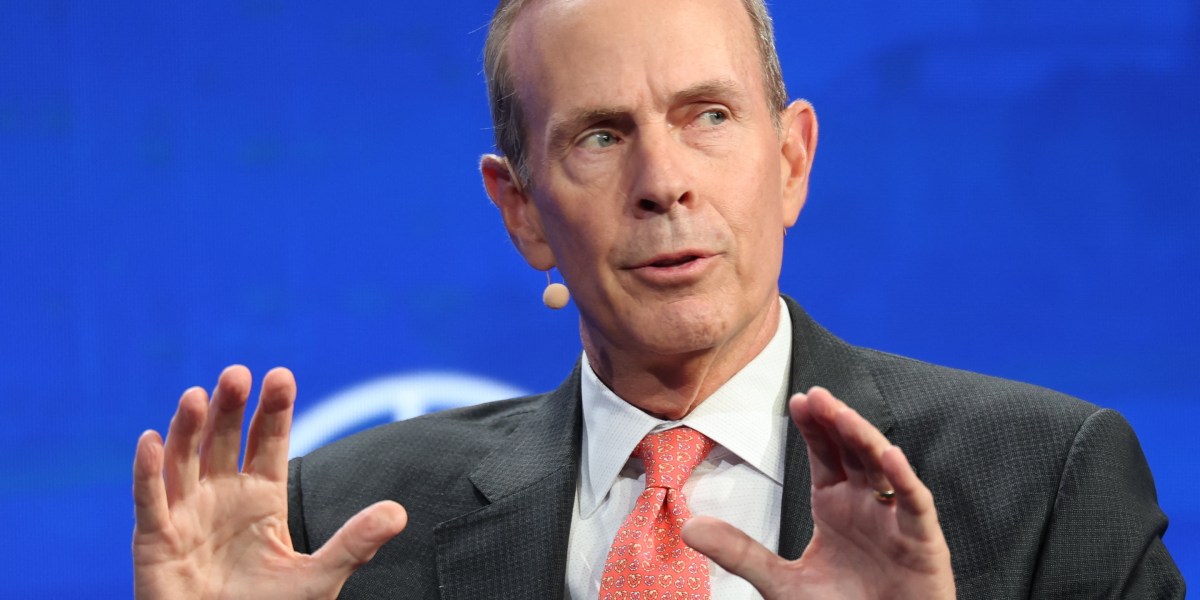
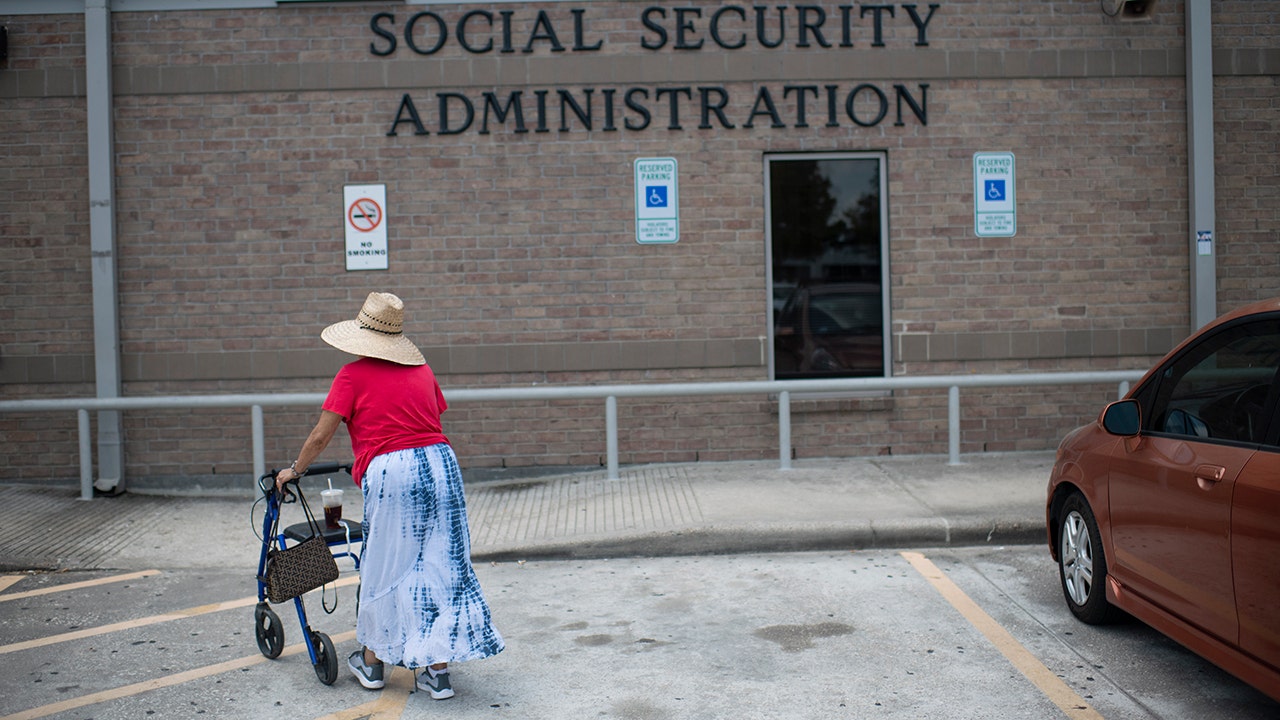
10. Social Security's 3.6% Increase in 2027 Renews Funding-Shortfall Debate Source: Fox Business
Social Security recipients will see larger monthly checks in 2027, but the new cost-of-living adjustment is renewing debate over the program's financial future. Social Security beneficiaries could face a 22% across-the-board benefit reduction in 2032 without congressional action, according to the Committee for a Responsible Federal Budget (CRFB), as the retirement trust fund approaches a projected 2032 depletion date—pressure on lawmakers to address the program's long-term funding shortfall.
Social Security recipients will receive a 3.6% cost-of-living adjustment in 2027, raising the average retired worker's monthly benefit by about $75, from $2,095 to $2,170, according to estimates cited by AARP. The increase, announced by the Social Security Administration on Wednesday, will take effect with December benefits, which are paid in January.
More News
- Maple Express | October 15, 2026 — WHO Warns Measles Risk in the Americas Is Very High
- Maple Express | October 15, 2026 — Bradford targets Chow on youth jobs as Toronto mayoral race tightens
- Global Express | October 15, 2026 Ukraine Resumes Strikes on Russian Oil Refineries as Zelenskyy Accuses US of Betrayal
- Finance Morning | October 15, 2026 — Asia-Pacific Stocks Plunge: KOSPI Hits Circuit Breaker, Nikkei Falls 4.90%, Shanghai Barely Holds 3,700
- Tech Express | October 15, 2026 — Apple Plans to Launch Apple Intelligence in Mainland China for the First Time in December
Comments (0)
View More
 -35%
-35%USXMOUNT Full Motion TV Wall Mount (37-86") — Swivel, Tilt, 14,800+ Reviews! $55.99 CAD (35% Off)
 -40%
-40%Gladiator Coffee Vietnamese Coffee Dripper — Cafe-Style Coffee at Home! $33.42 CAD (40% Off)
 -34%
-34%Tapo Solar-Powered 360° Outdoor Security Camera Kit — No Monthly Fee, 2K Color Night Vision! $79.99 CAD (33% Off)
 -35%
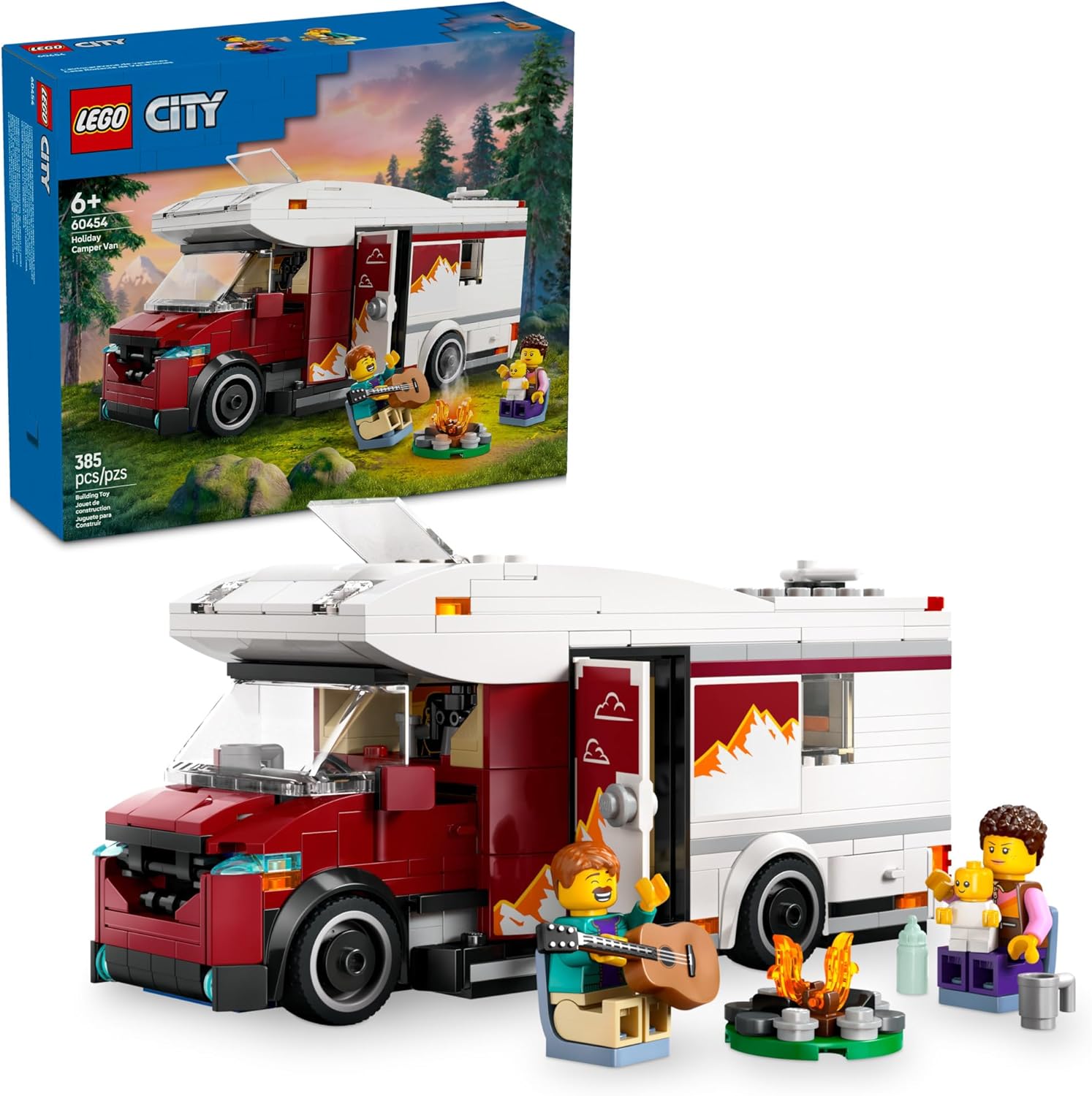
-35%LEGO City Holiday Adventure Camper Van 60454 — 385 Pieces That Open Into a Full Camper! $26.04 CAD (35% Off)
 Maple Express
Maple Express | October 15, 2026 — WHO Warns Measles Risk in the Americas Is Very High
 Maple Express
Maple Express | October 15, 2026 — Bradford targets Chow on youth jobs as Toronto mayoral race tightens
-35%USXMOUNT Full Motion TV Wall Mount (37-86") — Swivel, Tilt, 14,800+ Reviews! $55.99 CAD (35% Off)
Amazon
-40%Gladiator Coffee Vietnamese Coffee Dripper — Cafe-Style Coffee at Home! $33.42 CAD (40% Off)
Amazon
-34%Tapo Solar-Powered 360° Outdoor Security Camera Kit — No Monthly Fee, 2K Color Night Vision! $79.99 CAD (33% Off)
Amazon
-35%LEGO City Holiday Adventure Camper Van 60454 — 385 Pieces That Open Into a Full Camper! $26.04 CAD (35% Off)
Amazon
Maple ExpressMaple Express | October 15, 2026 — WHO Warns Measles Risk in the Americas Is Very High
Maple Express