
Tech Express | September 8, 2026 Pentagon Sought OpenAI AI with "Minimal Refusal Rates"
Today's Tech Express: The Pentagon sought an OpenAI AI with "minimal refusal rates"; the UK's AI policy architect quit over an Anthropic conflict of interest; France's Mistral raised €3 billion at a $24 billion valuation; TSMC, Samsung and Intel bet on ASML's high-NA EUV tool; China's semiconductor exports surged 103.9%; Huawei and Xiaomi launched new foldables; US police worry about Meta smart glasses; Britain boosts space defence; China plots 6G phones; CXMT sees the DRAM shortage continuing.
1. Pentagon Sought OpenAI AI with "Minimal Refusal Rates"
Source: The Intercept
Documents obtained by The Intercept through a Freedom of Information Act lawsuit show the U.S. Department of Defense asked OpenAI for a special version of its AI designed to turn down the Pentagon's requests as infrequently as possible.
The "minimal refusal rates" clause appears in an updated contract, version "P00003," expanding last summer's prototype deal worth up to $200 million over two years. OpenAI, Google, xAI, and Anthropic all agreed in 2025 to build militarized AI prototypes for logistics, intelligence decision-making, and general "warfighting."
OpenAI and the Pentagon deny the clause, calling the document a draft rather than the final version; a Pentagon lawyer initially confirmed it was signed, then backtracked. Defense Department spokesperson Jacob Bliss said the phrase does not appear in any active Department of War contract with OpenAI.
2. Architect of UK's AI Policy Quits Over Anthropic Conflict of Interest
Source: The Guardian
Matt Clifford, chair of the UK government's "moonshot" research agency Aria, has been forced to step down after taking a full-time job with Anthropic, the maker of Claude, in a move senior MPs called a "clear conflict of interest."
Clifford announced Monday he would step down "to ensure my new role at Anthropic doesn't become a distraction from Aria's incredible work," staying until November 6.
The same day, AI pioneer Geoffrey Hinton backed a private member's bill, introduced Tuesday in Parliament, to prohibit creating artificial superintelligence, warning it "could even lead to human extinction."

3. France's Mistral Hits $24 Billion Valuation
Source: Reuters
France's Mistral has raised €3 billion at a valuation of around €21 billion ($24 billion), in what the three-year-old AI company said Tuesday was the biggest equity funding round by a privately owned European technology firm.
The round was led by PSG Equity, Samsung Electronics, and the EU-backed Scaleup Europe Fund. CFO Johan Bergqvist said the funds will power Mistral's models and frontier research, making it Europe's second-highest-valued private tech group.
Mistral remains dwarfed by U.S. rivals Anthropic (valued at $965 billion) and OpenAI ($852 billion). Microsoft, which agreed in July to spend billions on Mistral's European computing infrastructure, did not participate in the round.

4. TSMC, Intel and Samsung Bet on ASML's Latest Chip Tool
Source: Nikkei Asia
TSMC said Tuesday it will begin using ASML's most advanced chipmaking tool, high-NA EUV lithography, from 2030, while Samsung Electronics is targeting adoption as early as 2028.
Intel said it is already mass producing with the new machine. ASML's high-NA EUV machines are the world's most advanced chipmaking tools, as the three chip giants race to secure next-generation lithography.

5. China's Semiconductor Exports Surge 103.9% in Jan-Aug
Source: Global Times
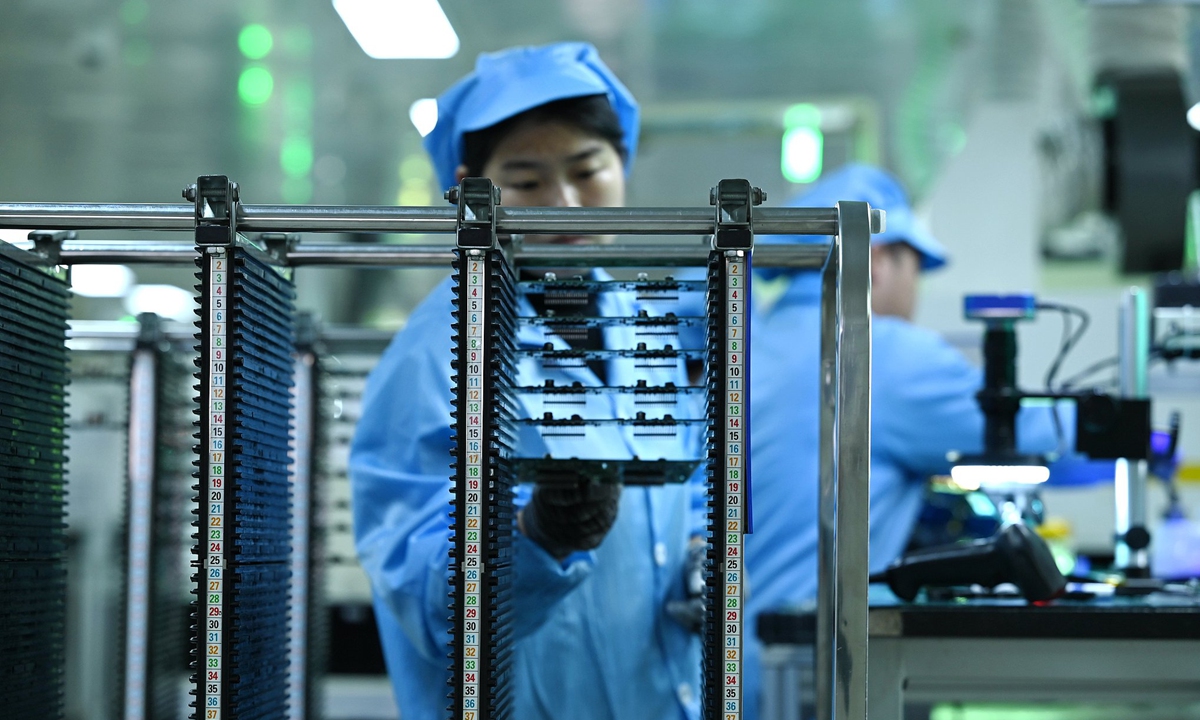
China's integrated circuit exports reached $40.731 billion in August, with cumulative January-August exports totaling $256.75 billion, up 103.9% year-on-year, according to data released Tuesday by the General Administration of Customs.
An expert told the Global Times the growth was driven by the global AI boom, which has tightened memory chip supply, and by China's own rapid IC industry development, projecting chip exports to reach 2 trillion yuan ($298.03 billion) this year.
In the first half, China produced over 1.5 billion chips per day, with IC output surging 23.1% year-on-year to 279.8 billion units.
6. Huawei and Xiaomi Launch Foldables Ahead of Apple's Event
Source: Reuters
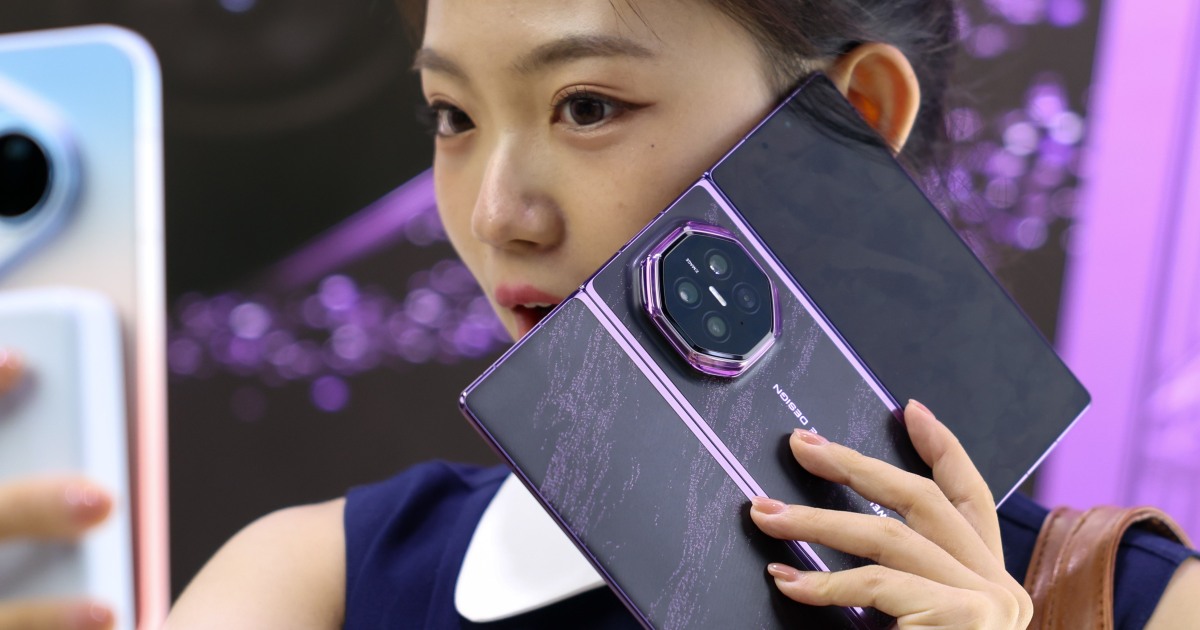
Huawei and Xiaomi launched new flagship foldable smartphones on Monday, stepping up competition in China's premium handset market ahead of Apple's product launch later this week.
Huawei's Mate XT2 folds out twice into a tablet-sized screen, features its Kirin 9050 Pro chip, and starts at 19,999 yuan ($2,980). Executive Director Richard Yu cited sharply rising memory costs as a pricing challenge.
Xiaomi unveiled its most premium phone yet, the Xiaomi 18 Fold, starting at 10,999 yuan, using DRAM chips from Chinese memory maker CXMT.
7. US Police Fear Meta Smart Glasses Could Secretly Record Them
Source: The Guardian
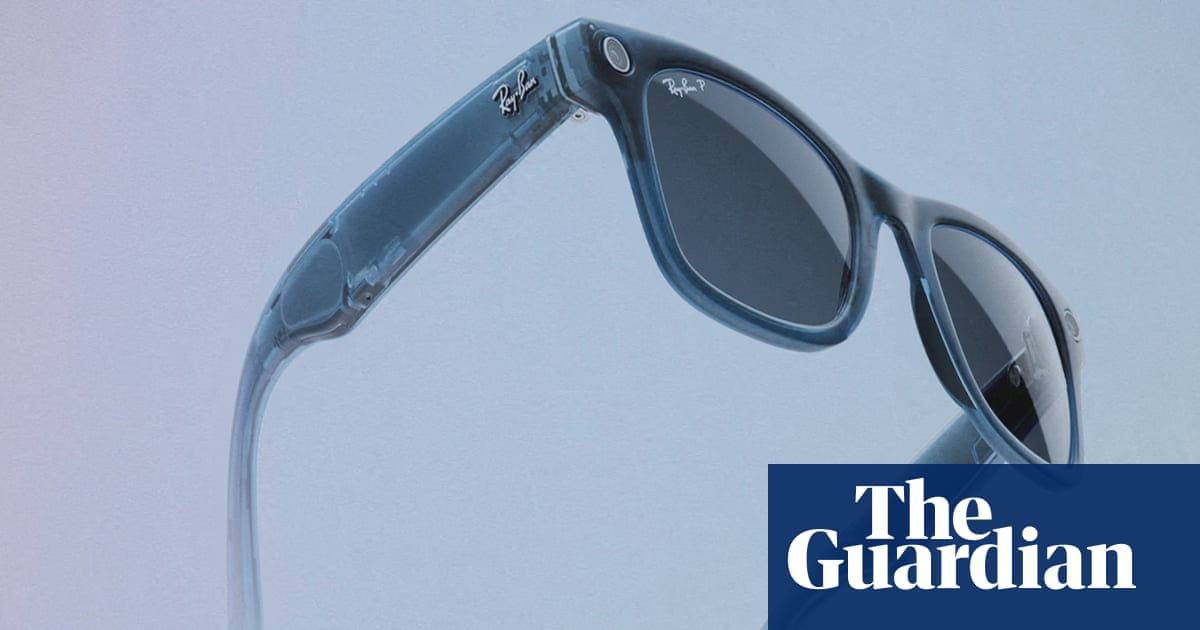
Law enforcement agencies across the U.S., from Maine to California, increasingly worry Meta's smart glasses will be used to secretly record officers or aid crimes and acts of terrorism, documents obtained by the Guardian show.
In January, the NYPD's counterterrorism unit warned officers that Ray-Ban Meta glasses could record inside police facilities, revealing cell layouts and patrol routines.
In August, ICE barred employees from wearing the glasses in federal workplaces. Meta said the glasses "are designed to be noticed," with a white LED that cannot be turned off.
8. Britain to Invest Millions in Space Defence
Source: The Independent
The UK government unveiled a new space strategy investing in defences against space threats and satellite launch capability, with £30 million earmarked for SaxaVord Spaceport on Unst in Shetland.
The broader strategy details £7.8 billion in total funding across the sector up to 2030, with £2.8 billion for the Connectivity in Low Earth Orbit and Skynet defence communications programmes.
Companies including Germany's Rocket Factory Augsburg plan to use SaxaVord for commercial launches, working toward the first vertical orbital test flight from UK soil.

9. China Maps Out 6G Base Stations and Smartphones
Source: 驱动之家
China's Ministry of Industry and Information Technology has issued a "15th Five-Year Plan" for the information and communications industry, proposing to deploy world-leading network infrastructure, including launching 6G commercial services "at an appropriate time."
The plan calls for developing 6G base stations, core networks, and 6G smartphones, and for systematic research into key 6G technologies, encouraging industry participation in international 6G standards.
6G remains in the trial and prototype stage. The industry widely expects 6G commercialization around 2030, with capability more than 10 times that of 5G.

10. CXMT Says Global DRAM Shortage to Continue
Source: IT之家
Chinese memory chipmaker CXMT held its 2026 first-half earnings briefing on September 7, reporting revenue of 150.31 billion yuan, up 873.64% year-on-year, and net profit of 77.605 billion yuan.
Senior vice president and finance chief Huang Danyang said the global DRAM supply shortage will continue through the second half of 2026.
According to TrendForce, CXMT's DRAM revenue reached $14.624 billion in Q2 2026, up 99.3% quarter-on-quarter, with market share rising from 7.6% to 9.5%.
More News
- Maple Express | October 23, 2026 — Trump says a Canada-U.S. trade deal is 'very close', but 'we have all the cards'
- Global Express | October 23, 2026: Five Wounded in West Bank Checkpoint Attack as Netanyahu Orders Full Closure
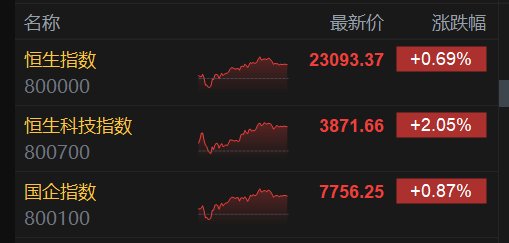
- Finance Morning: A-Shares Reverse Higher as ChiNext Gains 4.16%, Hang Seng Reclaims 23,000
- Tech Express | October 23, 2026: iPhone Duo Goes on Sale as Apple Says Stores Have Stock
- Sports Express | October 23, 2026: Stecher Scores With 28 Seconds Left as Maple Leafs Edge Rangers 5-4
Comments (0)
View More
 -36%
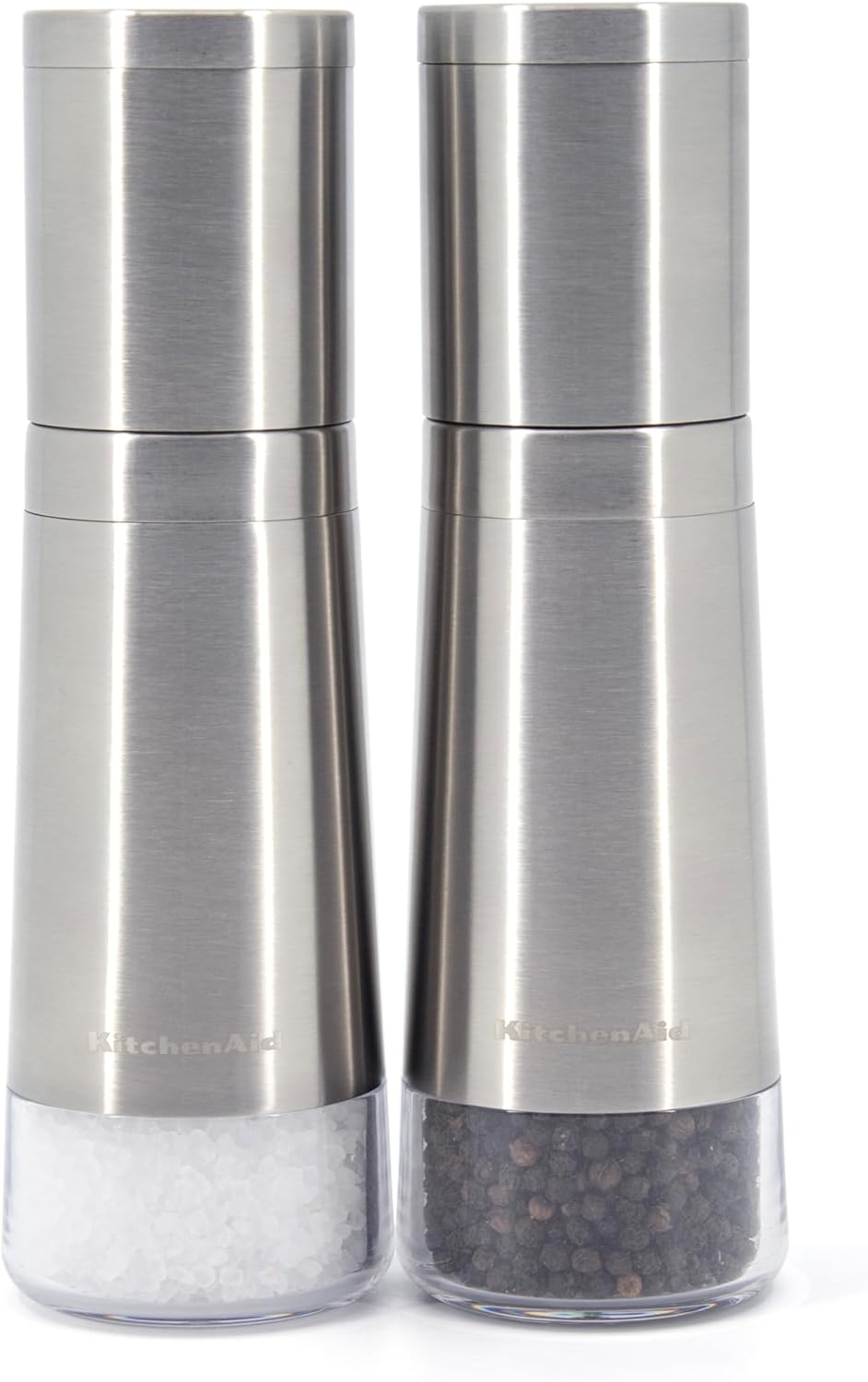
-36%KitchenAid Stainless Salt & Pepper Grinder Set — Adjustable Grind, 35% Off! $25.99 CAD
 0
0“Worth Buying” Bose QuietComfort — 24h Battery, 238g, 4.4 Stars From 20,000+ Ratings
 -24%
-24%Breville Smart Kettle Luxe Programmable Electric Kettle — 5 Temperature Presets and Keep Warm, 1.7L, $229.99 CAD (23% Off)
 -41%
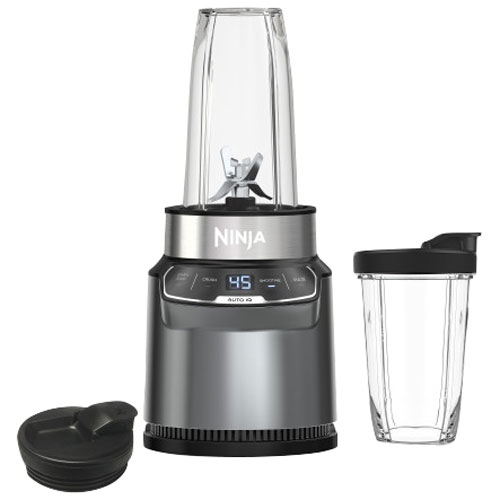
-41%Ninja Nutri-Blender Pro 1000W Personal Blender — Auto-iQ One-Touch Programs with 3 Cups, $89.99 CAD (40% Off)
 Tech Express
Tech Express | October 23, 2026: iPhone Duo Goes on Sale as Apple Says Stores Have Stock
 Finance Morning
Finance Morning: A-Shares Reverse Higher as ChiNext Gains 4.16%, Hang Seng Reclaims 23,000
-36%KitchenAid Stainless Salt & Pepper Grinder Set — Adjustable Grind, 35% Off! $25.99 CAD
Amazon
0“Worth Buying” Bose QuietComfort — 24h Battery, 238g, 4.4 Stars From 20,000+ Ratings
Amazon
-24%Breville Smart Kettle Luxe Programmable Electric Kettle — 5 Temperature Presets and Keep Warm, 1.7L, $229.99 CAD (23% Off)
Best Buy
-41%Ninja Nutri-Blender Pro 1000W Personal Blender — Auto-iQ One-Touch Programs with 3 Cups, $89.99 CAD (40% Off)
Best Buy
Tech ExpressTech Express | October 23, 2026: iPhone Duo Goes on Sale as Apple Says Stores Have Stock
Finance Morning