
Maple Express | July 13, 2026 Middle East Tensions Escalate as Oil Prices Surge, Ontario Faces 45°C Heat Wave
On July 13, 2026, renewed Middle East tensions dominate Canada's news agenda as U.S. airstrikes on Iran drive global oil prices higher, pushing Canadian inflation to 3.2% ahead of the Bank of Canada's rate decision. Meanwhile, a fatal shooting at Toronto's Salsa on St. Clair festival leaves two dead, a provincewide heat wave brings feels-like temperatures of 45°C to Ontario, and wildfires continue to burn out of control in BC's Fraser Canyon.
Maple Express | July 13, 2026 Middle East Tensions Escalate as Oil Prices Surge, Ontario Faces 45°C Heat Wave
📰 Middle East Tensions Reignite: U.S. Launches New Strikes on Iran, Global Oil Prices Jump
Geopolitical tensions in the Middle East escalated sharply over the weekend. The United States launched a new wave of military strikes against Iranian targets, and Iran immediately retaliated, once again putting the security of the Strait of Hormuz into the global spotlight. This critical waterway carries roughly one-fifth of the world's traded crude oil, and any disruption would have profound implications for international energy markets.
Brent crude oil prices have climbed above $76 per barrel, with strong risk-aversion sentiment dominating markets. The International Energy Agency warned that prolonged tensions could delay the rebuilding of global oil inventories and disrupt the expected oil market balance. Analysts note that the U.S. and Iran are nearly at the midpoint of a 60-day interim deal that was supposed to set up talks for a permanent end to the war, but the latest exchange of fire has cast a shadow over peace negotiations.
For Canada, the economic ripple effects are already visible. Canada's inflation rate rose to 3.2% in May, surpassing the 3% mark for the first time since late 2023, driven primarily by a 33% year-over-year surge in gasoline prices linked to the oil shock. The Canadian dollar also edged lower following news of the new U.S. strikes, further compounding import cost pressures.
— Euronews
📰 Two Dead in Toronto's Salsa on St. Clair Festival Shooting, Final Day Cancelled
Toronto's beloved Latin street festival, Salsa on St. Clair, was shattered by tragedy on Saturday evening. Police confirmed that two men were killed and at least four others were injured when gunfire erupted around 8 p.m. Approximately 13,000 people were attending the event at the time, and the scene quickly descended into chaos and panic.
Investigators believe at least two people exchanged gunfire while moving through the dense crowd. Police recovered two firearms and established three crime scenes. As of Sunday afternoon, no arrests had been made. Witnesses described harrowing scenes of parents consoling terrified children as families scrambled to find safety, the festive atmosphere replaced in an instant by sheer terror.
Out of respect for the victims and public safety concerns, organizers cancelled the final day of the festival that had been scheduled for Sunday. Toronto's mayor and police are urging anyone with information to come forward, pledging a thorough investigation. The incident has reignited a broader conversation about public safety at large-scale urban events.

— CBC News
📰 Bank of Canada Expected to Hold Rate at 2.25% for Sixth Consecutive Decision
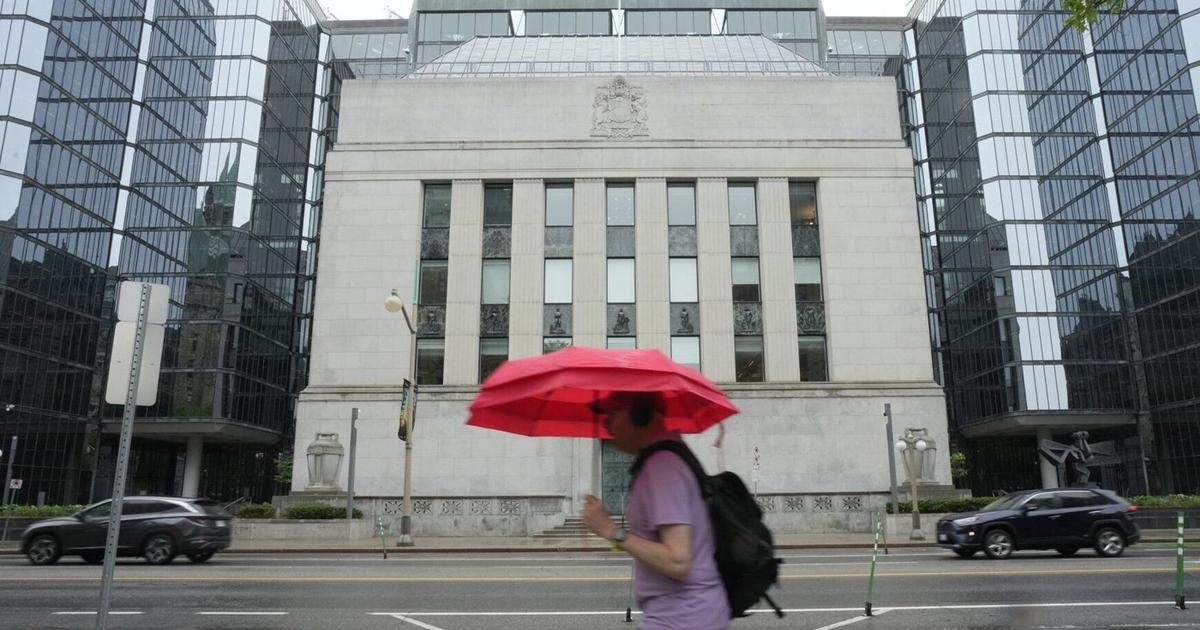
The Bank of Canada will announce its latest interest rate decision this Wednesday, with markets widely expecting the central bank to keep its benchmark policy rate unchanged at 2.25%. This would mark the sixth consecutive hold decision. Although Middle East tensions have pushed headline inflation back up to 3.2%, core inflation has yet to show signs of broad-based diffusion.
RBC economists note that the spike in oil prices has so far not translated into a significant, longer-lasting inflation shock. Higher gasoline prices have raised costs for households, but price increases have not generally spread across the consumer spending basket. Governor Tiff Macklem has previously emphasized that the supply-side nature of the current shock means monetary policy does not need to react immediately.
However, inflation expectations among both businesses and consumers are on the rise. The Bank's latest surveys show that consumers and businesses alike expect inflation to exceed 3% over the next 12 months, driven by heightened economic uncertainty. Striking the right balance between controlling inflation and supporting economic growth remains the central bank's core challenge.
📰 Ontario Under Heat Warning: Feels-Like Temperatures Near 45°C, Provincewide Heat Wave Begins
Environment Canada has issued heat warnings covering the entire province of Ontario as a powerful heat dome settles in starting Monday. Major cities including Toronto, Ottawa, Mississauga, Hamilton, and Kingston are all under alert. Daytime highs are expected to range from 30 to 36°C, but with humidity factored in, it could feel as hot as 45°C in some areas.
The heat event is expected to persist through Thursday, with Tuesday forecast to be the peak day. Overnight lows will hover between 20 and 23°C, offering little relief from the oppressive heat. Environment Canada has placed the Greater Toronto Area under a yellow-level heat warning, while parts of northern Ontario face more severe orange-level alerts.
Health officials are urging residents to take precautions: drink plenty of water, avoid strenuous outdoor activity during peak hours, and never leave children or pets inside parked vehicles. Cities including Toronto have opened cooling centres for those in need. Notably, this heat wave will also compound the challenges faced by firefighters battling wildfires in British Columbia, as hotter air masses move westward.

— CBC News
📰 Beyond Lyme Disease: CMAJ Warns Anaplasmosis Is Rapidly Spreading Across Eastern Canada
A new practice article published in the Canadian Medical Association Journal is urging physicians across the country to consider anaplasmosis as a possible diagnosis for patients presenting with unexplained fever. While Lyme disease has long been the most recognized tick-borne illness in Canada, anaplasmosis is now emerging as a significant and growing public health threat.
A senior epidemiologist with the Public Health Agency of Canada reports that the prevalence of blacklegged ticks has been rising from Manitoba eastward, with particularly sharp increases in Ontario, Quebec, and Nova Scotia. Climate change is identified as a key factor driving the expansion of tick habitats, as warming temperatures allow ticks to survive and reproduce in more northerly regions.
Symptoms of anaplasmosis include fever, headache, and muscle aches, and in severe cases can lead to complications such as myocarditis. Unlike Lyme disease, anaplasmosis typically does not produce the telltale bullseye rash, making diagnosis more challenging. Experts recommend wearing long sleeves, using DEET-based insect repellent, and thoroughly checking for ticks after outdoor activities.

📰 USMCA Trade Deal in Limbo: Trump Administration Skips Extension, Canadian Exporters Face Prolonged Uncertainty
On July 1, the Trump administration decided not to extend the United States-Mexico-Canada Agreement for another 16 years, leaving Canadian exporters in a state of prolonged uncertainty. While the trade deal remains in place until 2036, Washington's refusal to extend it has heightened the urgency of ongoing negotiations and leaves the threat of higher tariffs in place should trade talks flounder.
Bilateral trade between Canada and the U.S. amounts to $719 billion annually, with the Canadian economy deeply dependent on access to the American market. The Trump administration has framed the USMCA review within its broader trade policy agenda, which includes tougher enforcement, expanded tariffs, and stronger incentives for domestic manufacturing. These overlapping policy initiatives make the path forward increasingly complex.
Prime Minister Mark Carney has taken a measured yet principled approach to redefining Canada's relationships with its trading partners and geopolitical allies. However, analysts note that Canada faces the delicate challenge of balancing the need to preserve preferential access to the U.S. market while accommodating Washington's increasingly assertive economic priorities. Intensive negotiations are expected to continue through the summer.

📰 Meta to Build $13 Billion AI Data Centre in Alberta, Its First in Canada, Creating 3,000 Construction Jobs
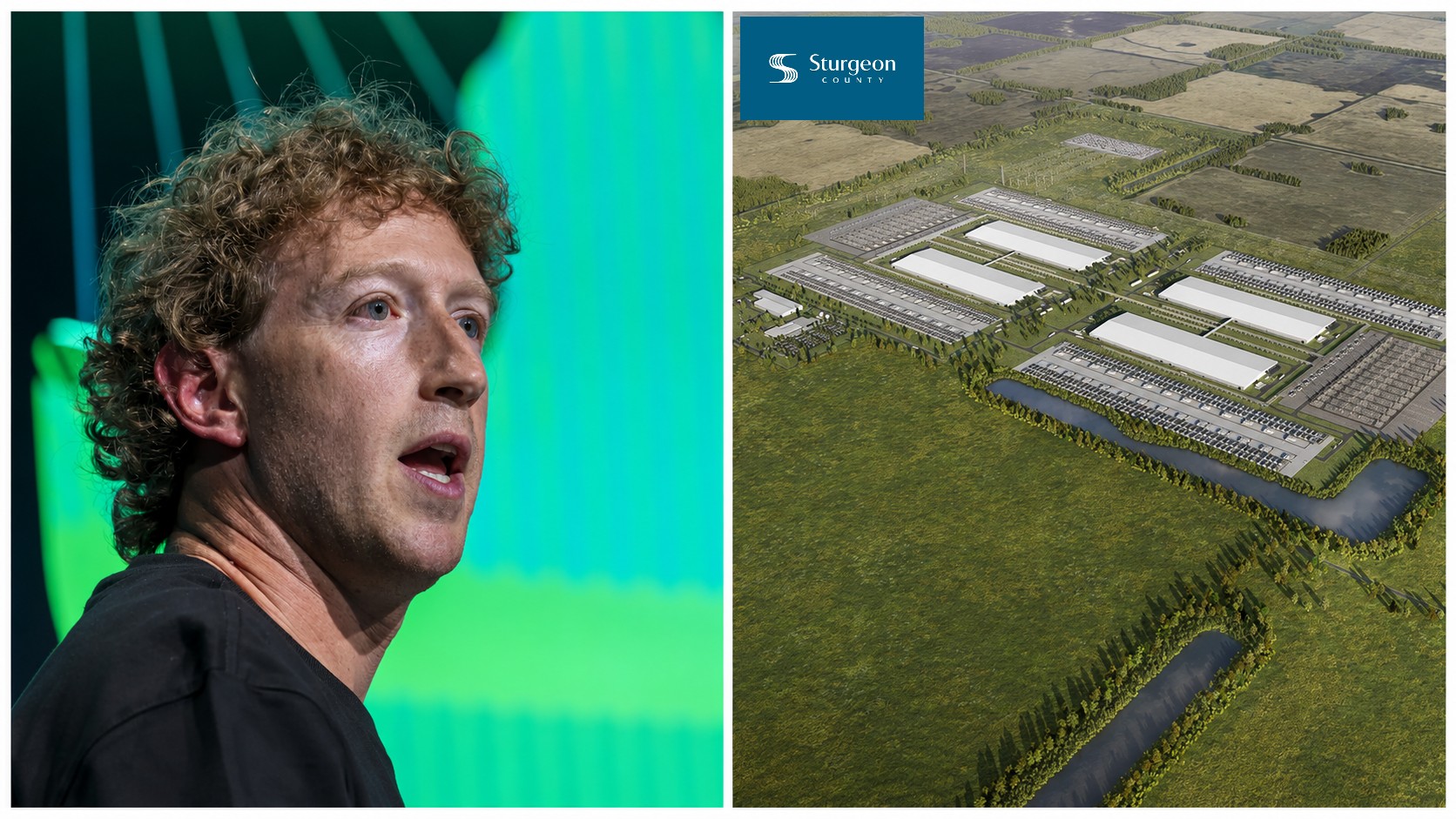
Tech giant Meta has announced plans to build a massive AI-focused data centre in Sturgeon County, Alberta — its first Canadian facility — with a total investment exceeding $13 billion. The 1-gigawatt hyperscale facility will be powered by its own dedicated natural gas plant and will consume roughly as much electricity as a medium-sized city, marking a major milestone in Canada's AI infrastructure development.
Alberta Premier Danielle Smith has warmly welcomed the project, describing it as the work of a "responsible corporate citizen." PCL Construction will partner with Clark Builders on the project, which is expected to create approximately 3,000 construction jobs and bring long-term technology employment to the region. Meta says the data centre will support the growing computational demands of its AI products and services.
However, the project has also sparked controversy over environmental and energy consumption concerns. Critics question the wisdom of building such a massive natural gas-powered facility amid the climate crisis, while local residents have raised concerns about water usage and the environmental footprint. Smith spent much of her Saturday radio show addressing these concerns, pledging that the project will adhere to strict environmental standards.
📰 BC Wildfires Continue to Rage: Two Out-of-Control Fires in Fraser Canyon, Hotter Temperatures Loom
British Columbia's wildfire season continues to intensify. Two wildfires in the Fraser Canyon region — collectively known as the Brunswick Creek Complex — remain classified as out of control. Although Highway 1 between Boston Bar and Jackass Mountain reopened on Saturday, the BC Wildfire Service is warning motorists not to stop for photos or fly drones in the area, as active firefighting operations continue.
Fire information officers say the cooler weekend weather provided a brief reprieve for ground crews, but hotter temperatures are on the way as the Ontario heat wave pushes westward, threatening to intensify fire behaviour. A new evacuation alert has also been issued for the East Kootenay region, advising residents to be prepared to leave at short notice.
As multiple fires continue to burn across the province, the BC Wildfire Service has deployed significant aerial and ground resources. Environment Canada has issued air quality advisories for parts of BC, warning that wildfire smoke may pose health risks for individuals with respiratory conditions. The federal government is closely monitoring the situation and stands ready to provide interprovincial support.

— CBC News
📰 WestJet Flight Attendants Strike Vote Wraps Up Wednesday as Wage Negotiations Intensify
A strike vote by WestJet flight attendants, represented by the Canadian Union of Public Employees, is set to conclude this Wednesday. Voting began on July 8, with key issues on the table including wages, compensation structure, scheduling practices, work-life balance, and other workplace improvements. The union says negotiations are ongoing but significant gaps remain between the two sides.
WestJet has not publicly commented on the strike vote, but industry analysts warn that a strike during the peak summer travel season would deal a significant blow to Canadian aviation. As Canada's second-largest airline, WestJet carries tens of thousands of passengers daily, and any service disruption could trigger cascading effects across the travel industry.
Canada's aviation sector has seen a wave of labour disputes in recent years, with pilots, ground crews, and now flight attendants all having initiated or threatened strike action. With the cost of living continuing to climb — Canadians are contending with a 3.2% inflation rate — aviation workers are increasingly pressing for meaningful wage adjustments. Travellers are advised to monitor developments closely and make contingency plans for upcoming flights.
📰 Ontario Gas Price Rollercoaster: Middle East Conflict and G7 Energy Strategy Collide at the Pumps
Canadian drivers are on a wild ride at the gas pump. The renewed conflict in the Middle East, combined with G7 nations backing Canada as a major global energy supplier to reduce reliance on the Strait of Hormuz, has produced sharp volatility in Ontario gasoline prices. Canada's overall inflation rate hit 3.2% in May, with gasoline prices surging 33% year-over-year as the primary driver.
Analysts describe a "tug of war" dynamic: on one hand, Strait of Hormuz tensions are pushing up the risk premium on crude; on the other, Canada's position as a net energy exporter means higher oil prices also bring additional fiscal revenues to producing provinces like Alberta. Ontario Premier Doug Ford and Alberta Premier Danielle Smith recently unveiled a joint "Northern Shield" oil pipeline plan aimed at bolstering Canadian energy sovereignty.
The Bank of Canada will release its updated inflation and economic forecasts alongside Wednesday's rate decision. While higher gasoline prices have squeezed household budgets, RBC economists maintain that the oil spike has not yet morphed into a broad-based inflation shock. For everyday consumers, the best advice this week is clear: shop around before filling up — prices can vary by more than 10 cents per litre from one station to the next.

— CBC News
More News
- Finance Evening | Anthropic Files for Nasdaq IPO as AI Capital Frenzy Meets Bubble Worries
- Maple Express Evening | October 26, 2026: Vehicle found in Scarborough child abduction case, three children still missing
- Maple Express | October 26, 2026: Ford says trade war is hurting both countries
- Immigration | October 26, 2026 Express Entry's new scoring takes effect November 3: high-wage job offers worth up to 100 points
- Global Express | October 26, 2026 - Serbia's Vucic Concedes Defeat, Ending 14 Years in Power
Comments (0)
View More
 -31%
-31%Nutrience Grain-Free Indoor Cat Food, 5 kg — Turkey, Chicken & Duck, Made in Canada! $38.84 CAD (31% Off)
 -62%
-62%Pampers Complete Clean Baby Wipes, 216 Count — Alcohol-Free & Hypoallergenic, 62% Off! $8.97 CAD
 -45%
-45%Meguiar's Gold Class Leather Cleaner & Conditioner 3-in-1 Spray 15.2oz — Clean, Condition, Protect in One Step! $9.50 CAD (44% Off)
 -31%
-31%LG 24" QuadWash Smart Dishwasher (LDPM6762S, Smudge Resistant Stainless) — 44 dB Quiet with a Third Rack, $350 Off! $799.99 CAD (30% Off)
 Finance Evening
Finance Evening | Anthropic Files for Nasdaq IPO as AI Capital Frenzy Meets Bubble Worries
 Immigration
Immigration | October 26, 2026 Express Entry's new scoring takes effect November 3: high-wage job offers worth up to 100 points
-31%Nutrience Grain-Free Indoor Cat Food, 5 kg — Turkey, Chicken & Duck, Made in Canada! $38.84 CAD (31% Off)
Amazon
-62%Pampers Complete Clean Baby Wipes, 216 Count — Alcohol-Free & Hypoallergenic, 62% Off! $8.97 CAD
Amazon
-45%Meguiar's Gold Class Leather Cleaner & Conditioner 3-in-1 Spray 15.2oz — Clean, Condition, Protect in One Step! $9.50 CAD (44% Off)
Amazon
-31%LG 24" QuadWash Smart Dishwasher (LDPM6762S, Smudge Resistant Stainless) — 44 dB Quiet with a Third Rack, $350 Off! $799.99 CAD (30% Off)
Best Buy
Finance EveningFinance Evening | Anthropic Files for Nasdaq IPO as AI Capital Frenzy Meets Bubble Worries
Immigration