
Tech Express | August 6, 2026 DeepSeek Announces Major API Price Hike
DeepSeek announces major API price hike while restarting 50B yuan funding round. Trump admin debates Chinese open-source AI response. FCC drafts ban on Chinese data center optical transceivers. US plans polysilicon price floors under Section 232. Samsung Galaxy Z Fold8 breaks pre-order record at 1.44M units. Minecraft confirmed for Switch 2 on Oct 27. SpaceX rocket stage crashes into moon. Chinese robot vacuums capture 70% global market. ByteDance won't rely on AI distillation.
1. DeepSeek Announces Major API Price Hike
On August 6, DeepSeek posted a notice in its user dashboard announcing plans to raise API service pricing across all interfaces in the near future, with the increase expected to be substantial. The platform advised enterprises and individual developers to plan their usage and manage recharge amounts accordingly, with final details and effective dates to come in an official announcement.
Currently, DeepSeek-V4-Flash costs as little as 0.02 yuan per million tokens for cached input hits, while V4-Pro charges 3 yuan per million tokens for non-cached input. After ending a 75% discount promotion in May and adjusting prices to one-quarter of the original rate, this latest increase reflects the mounting pressure of soaring AI computing costs.
The price hike also coincides with DeepSeek's critical push to restart a 50 billion yuan second-round funding round, with a pre-money valuation of approximately 500 billion yuan. Industry analysts view the API price increase as both a necessary step to cover escalating training costs and an important signal of commercialization capability to capital markets.
2. Trump Administration Debates Response to Chinese Open-Source AI
According to reports from Axios and CNBC, the Trump administration is engaged in intense internal debate over how to respond to the rapid rise of Chinese open-source AI models. The launch of Kimi K3, a 2.8-trillion-parameter open-weight model, has given the discussion new urgency, raising fresh anxieties in Washington about the global diffusion of AI technology.
White House OSTP Director Michael Kratsios has alleged that Moonshot AI drew upon Anthropic's Fable model in building Kimi K3, using NVIDIA GB300 servers located in Thailand to circumvent US export controls. Meanwhile, a coalition of tech companies including NVIDIA, Microsoft, Meta, and Palantir released a joint letter urging policymakers to proceed with caution.
Analysts note that simply banning Chinese models would not stop their spread around the world. Developers across Africa and other regions are already embracing Chinese open-source models at scale, a shift that could fundamentally reshape the global balance of AI power.

3. DeepSeek Restarts Second Funding Round, Seeking 50 Billion Yuan
According to Caijing magazine, DeepSeek has restarted its second round of funding, aiming to raise 50 billion yuan at a pre-money valuation of approximately 500 billion yuan, with signing targeted for late August. Deal insiders indicate that DeepSeek and its prospective investors hope the round can proceed quietly after the restart.
DeepSeek completed its first funding round of 50 billion yuan in April, closing in June with a valuation exceeding 350 billion yuan. The investor lineup included founder Liang Wenfeng, Tencent, CATL, NetEase, JD.com, IDG Capital, and the National AI Industry Investment Fund—making it the largest first-round financing in Chinese AI history.
The journey from pause to restart has been turbulent. Reports suggest the initial suspension stemmed partly from founder Liang Wenfeng's displeasure with leaked "investor meeting transcripts" circulating online. The restart signals sustained capital market confidence in DeepSeek's technological prowess.
4. US FCC Drafts Ban on Chinese Data Center Equipment
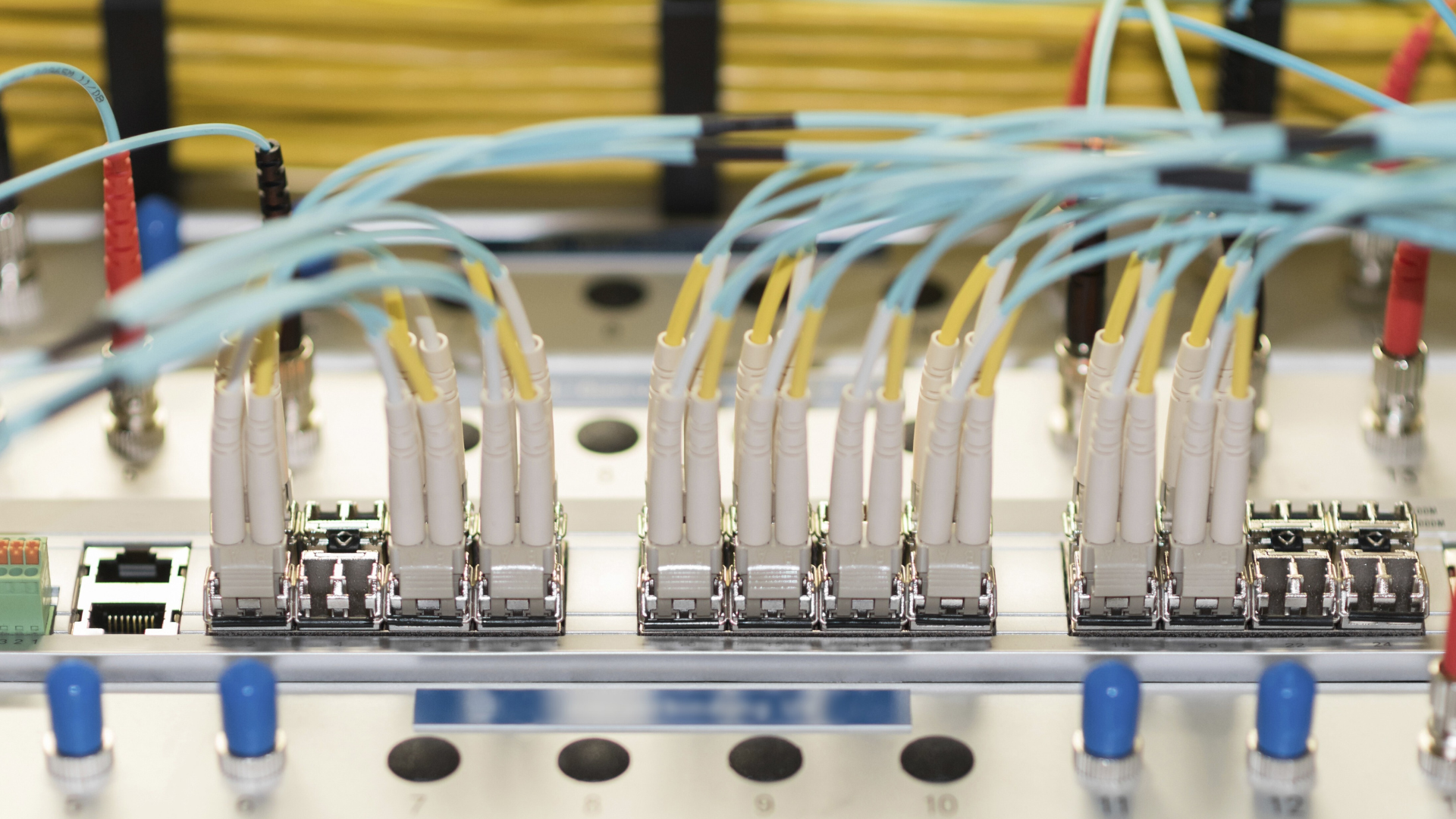
Reuters reports that the US Federal Communications Commission is drafting a ban on imports of certain Chinese-made data center components to protect US data center infrastructure. The measures specifically target optical transceivers—critical networking devices that convert electrical signals to light and vice versa.
Optical transceivers are widely deployed in data centers, and Chinese manufacturers dominate the global market through significant cost advantages. If implemented, the ban would directly impact supply chains for US cloud computing and AI infrastructure providers.
The Chinese Embassy in Washington has stated that China will take all necessary measures to respond to what it calls unjustified US suppression. This marks an expansion of the US-China technology conflict from semiconductors into the broader data center infrastructure sector.
5. US Plans Polysilicon Price Floor and Tariffs Under Section 232
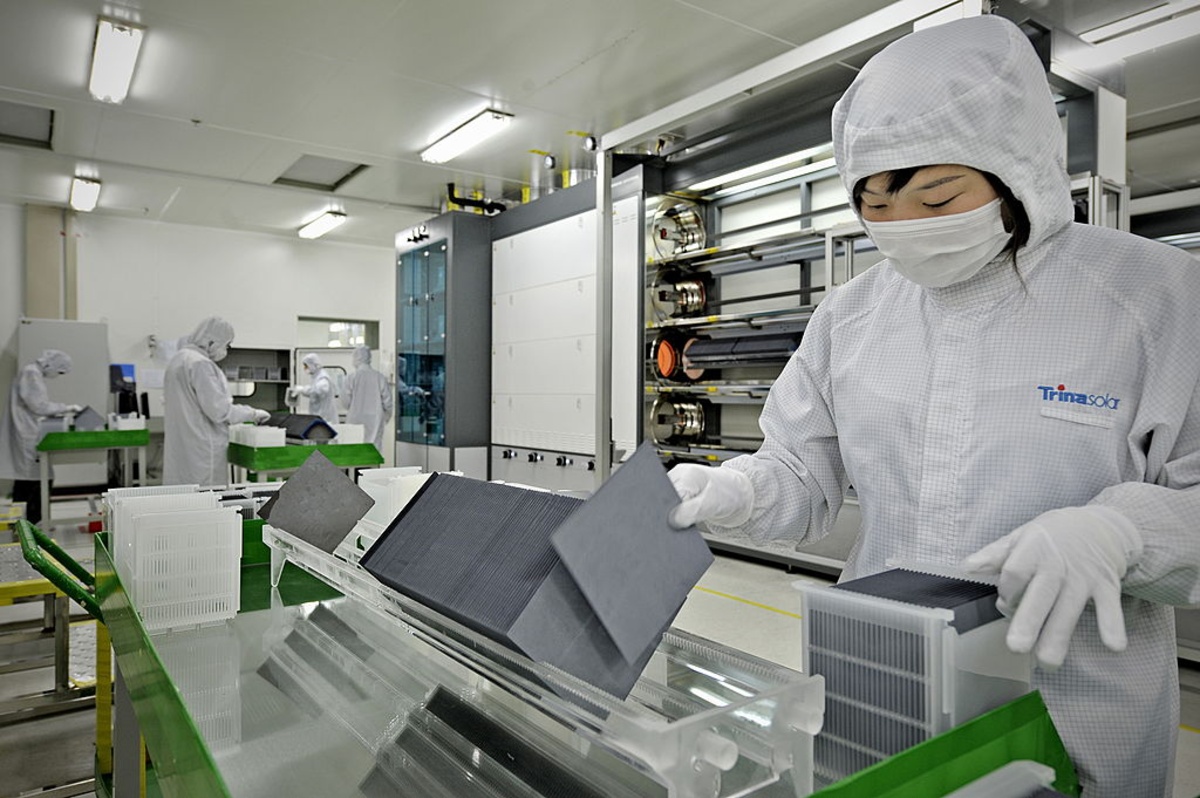
The Trump administration is preparing to set a price floor and impose tariffs on polysilicon and related products under Section 232 of the Trade Expansion Act, according to sources familiar with the plan. Polysilicon is the critical raw material for both semiconductor chips and solar panels.
China currently controls 93.5% of global polysilicon production, with nine of the world's top ten producers based there. Prices have collapsed from around $39 per kilogram in 2022 to below $4.50 by late 2024, devastating Western producers. Only two US manufacturers—Hemlock Semiconductor and Wacker Chemie—remain operational.
Roth Capital projects the price floor will add approximately $0.10 per watt to imported solar cells, translating to $600-800 in additional costs per residential solar installation. The measure cuts across both semiconductor and clean energy supply chains, with far-reaching implications.
6. Samsung Galaxy Z Fold8 Series Breaks All-Time Pre-Order Record
Samsung's Galaxy Z Fold8 series and Flip8 have achieved a staggering combined 1.44 million pre-orders in South Korea and the United States, smashing the previous record held by the Galaxy Note 10. The Fold8 line alone accounts for over 70% of total demand.
Demand for the premium Fold8 Ultra model has been so intense that Samsung's website has experienced multiple crashes, and some shipments have been delayed. The pre-order period runs through August 7, with final numbers expected to climb even higher.
Samsung has officially confirmed the record, noting a roughly 30% increase in pre-orders compared to last year's foldable lineup. Foldable phones are transitioning from niche novelties to mainstream flagships, and Samsung's leadership in this category continues to strengthen.

7. Minecraft Confirmed for Nintendo Switch 2, Launching October 27
Mojang Studios has officially announced that Minecraft will arrive on Nintendo Switch 2 on October 27, 2026, with a digital upgrade path confirmed for existing Switch 1 owners. The launch marks the block-building phenomenon's expansion to Nintendo's latest-generation console.
The Switch 2 version will feature Vibrant Visuals graphics enhancements, including improved lighting, enhanced shadows, and refined material textures. Compatible Marketplace content will also receive visual upgrades, delivering a fresh experience for returning players.
The Switch 2 has maintained strong sales momentum since its release, and Minecraft's arrival will further broaden its appeal across all age groups. The October launch also positions the title perfectly for the crucial holiday season ahead.

8. SpaceX Rocket Stage Crashes Into the Moon, Creating New Crater
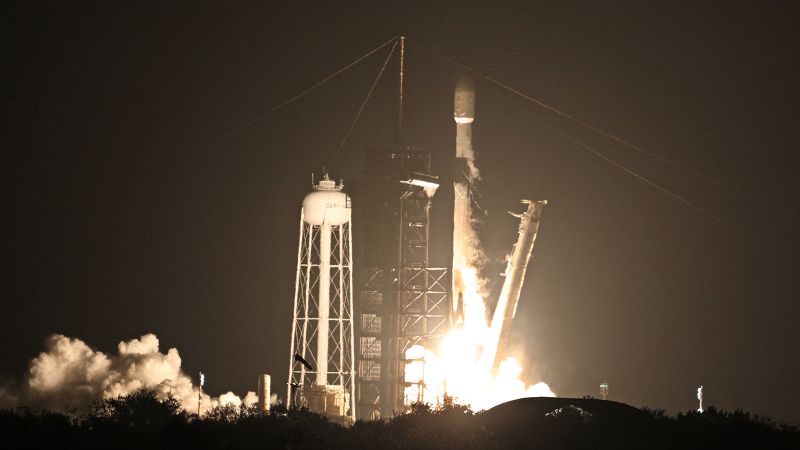
A discarded upper stage of a SpaceX Falcon 9 rocket, weighing approximately four tons and traveling at over 5,000 miles per hour, unintentionally slammed into the moon's surface in the early hours of August 5. The rocket had previously launched two private lunar landers before being left to drift in space.
NASA has stated it will attempt to observe the impact site to study the newly formed crater and its effects on lunar geology. However, since the collision occurred on the far side of the moon, almost no one witnessed the cosmic event directly.
While not the first human-made object to strike the moon, this is among the largest unplanned impacts to date. CNBC quipped that the moon crash serves as "a perfect metaphor for the rocket maker's share price"—moving fast, but occasionally out of control.
9. Chinese Robot Vacuums Dominate 70% of Global Market Through Technology
In the first half of 2026, Chinese robot vacuum brands captured over 70% of the global market with exports exceeding 140 billion yuan. The "Five Dragons"—Dreame, Roborock, Ecovacs, Xiaomi, and Narwal—dominate worldwide bestseller charts, making smart home cleaning the strongest growth segment in consumer electronics.
According to IDC, Roborock leads with 27% global market share, followed by Dreame at 14.4% and Ecovacs at 13.7%. The industry's original pioneer, iRobot, was acquired by Chinese contract manufacturer Shanchuan Robotics in January 2026, symbolizing the definitive transfer of global leadership from Western to Chinese brands.
This success is no accident. Built on technological breakthroughs in LDS laser navigation, AI-powered visual obstacle avoidance, and self-cleaning docking stations, combined with aggressive overseas expansion strategies, Chinese robot vacuum brands have graduated from "budget alternatives" to "technology leaders."

10. ByteDance Founder Says Company Will Not Rely on AI Distillation
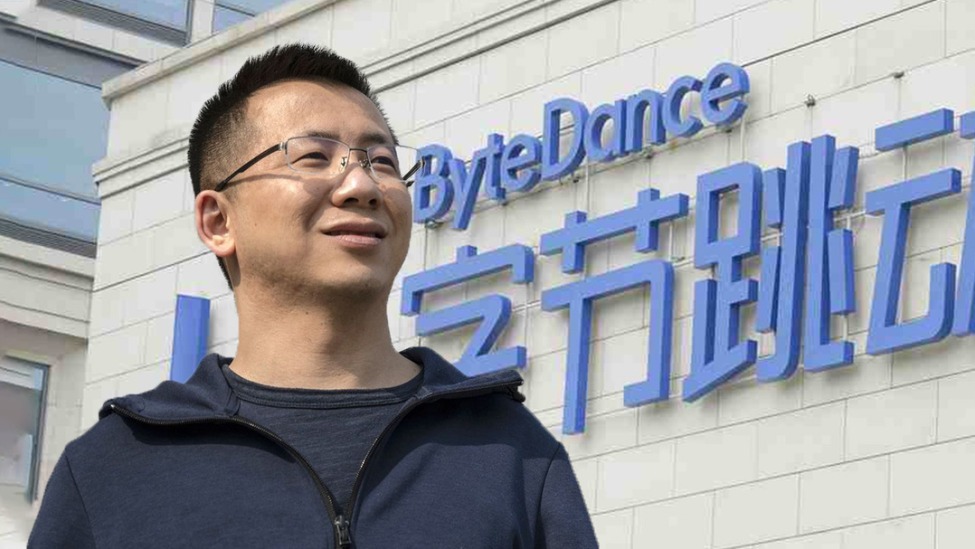
ByteDance founder Zhang Yiming made a rare public statement, declaring in an internal meeting that the company will not rely on "distillation" techniques to catch up in AI, even if it means temporarily lagging behind competitors. Distillation refers to the practice of training AI models using outputs from more advanced models developed by other companies.
Zhang called on his team to embrace long-term thinking, willing to sacrifice short-term gains for autonomous control over foundational capabilities. Sources say the decision is partly influenced by ByteDance's complex relationship with the US government over TikTok ownership. Notably, ByteDance has not been among the Chinese companies accused by Anthropic of distilling its Claude model.
Analysts note that while Zhang's statement projects technological confidence, external verification of a "no distillation" pledge is inherently difficult. Meanwhile, Alibaba has just released Qwen3.8-Max, and DeepSeek continues to iterate on its models—the race in China's AI sector is entering a white-hot phase.
More News
- Maple Express | September 20, 2026 Scarborough parking lot could become a micro-home community for the homeless
- Global Express | September 20, 2026 Saudi Arabia Says Houthis Tried to Attack Riyadh
- Finance Weekly | A Global Rate-Hike Wave Returns: Fed's First Hike Since 2023, BOJ at a 31-Year High
- Tech Express | September 20, 2026 Over a Dozen Large Models Set to Launch Around China's Double Holiday
- Sports Express | September 20, 2026 — Van outpoints Pantoja to defend UFC flyweight title
Comments (0)
View More
 -14%
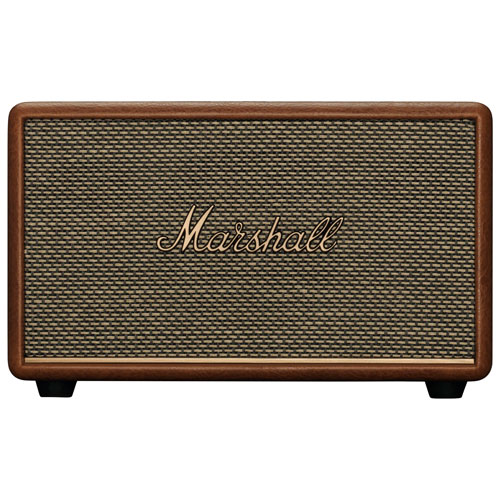
-14%MARSHALL Acton III Bluetooth Wireless Speaker — Iconic Look, Room-Filling Sound! $329.99 CAD (13% Off)
 -25%
-25%Zinus 3" Swirl Gel Memory Foam Mattress Topper, Twin — Cooling Comfort for a Hard Bed! $64.00 CAD (25% Off)
 -48%
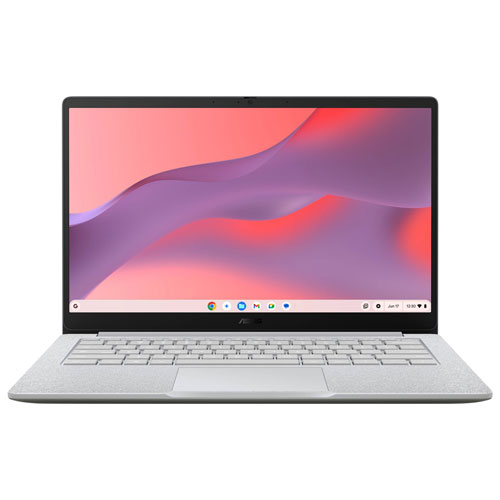
-48%ASUS Chromebook CM14 — 14" Full HD Ultra-Portable Laptop! $279.99 CAD (47% Off)
 -39%
-39%UPGOGO 12-Pack Travel Vacuum Bags with Electric Pump — Save 80% Space! $23.99 CAD (39% Off)
 Sports Express
Sports Express | September 20, 2026 — Van outpoints Pantoja to defend UFC flyweight title
 Finance Weekly
Finance Weekly | A Global Rate-Hike Wave Returns: Fed's First Hike Since 2023, BOJ at a 31-Year High
-14%MARSHALL Acton III Bluetooth Wireless Speaker — Iconic Look, Room-Filling Sound! $329.99 CAD (13% Off)
Best Buy
-25%Zinus 3" Swirl Gel Memory Foam Mattress Topper, Twin — Cooling Comfort for a Hard Bed! $64.00 CAD (25% Off)
Amazon
-48%ASUS Chromebook CM14 — 14" Full HD Ultra-Portable Laptop! $279.99 CAD (47% Off)
Best Buy
-39%UPGOGO 12-Pack Travel Vacuum Bags with Electric Pump — Save 80% Space! $23.99 CAD (39% Off)
Amazon
Sports ExpressSports Express | September 20, 2026 — Van outpoints Pantoja to defend UFC flyweight title
Finance Weekly