Immigration | November 23, 2026 Canada's New Student and Temporary Worker Arrivals Fall by 352,500
This week in Canadian immigration: new international student and temporary worker arrivals fell by 352,500 so far in 2026; Express Entry now counts stipends and research grants for professors and lecturers; economic immigration waits shortened while spousal sponsorship slowed; proof of citizenship waits hit 35 months; Ottawa paused the BVOR refugee program; Quebec's PEQ closed again; Indian study permits head for a decade low; graduate study permits doubled.
🛒 Amazon Black Friday 2026 Picks: our Black Friday hub is live — 100+ hand-picked deals across six categories, prices update in real time.
1. Canada's New International Student and Temporary Worker Arrivals Fall by 352,500
Source: ImmigCanada
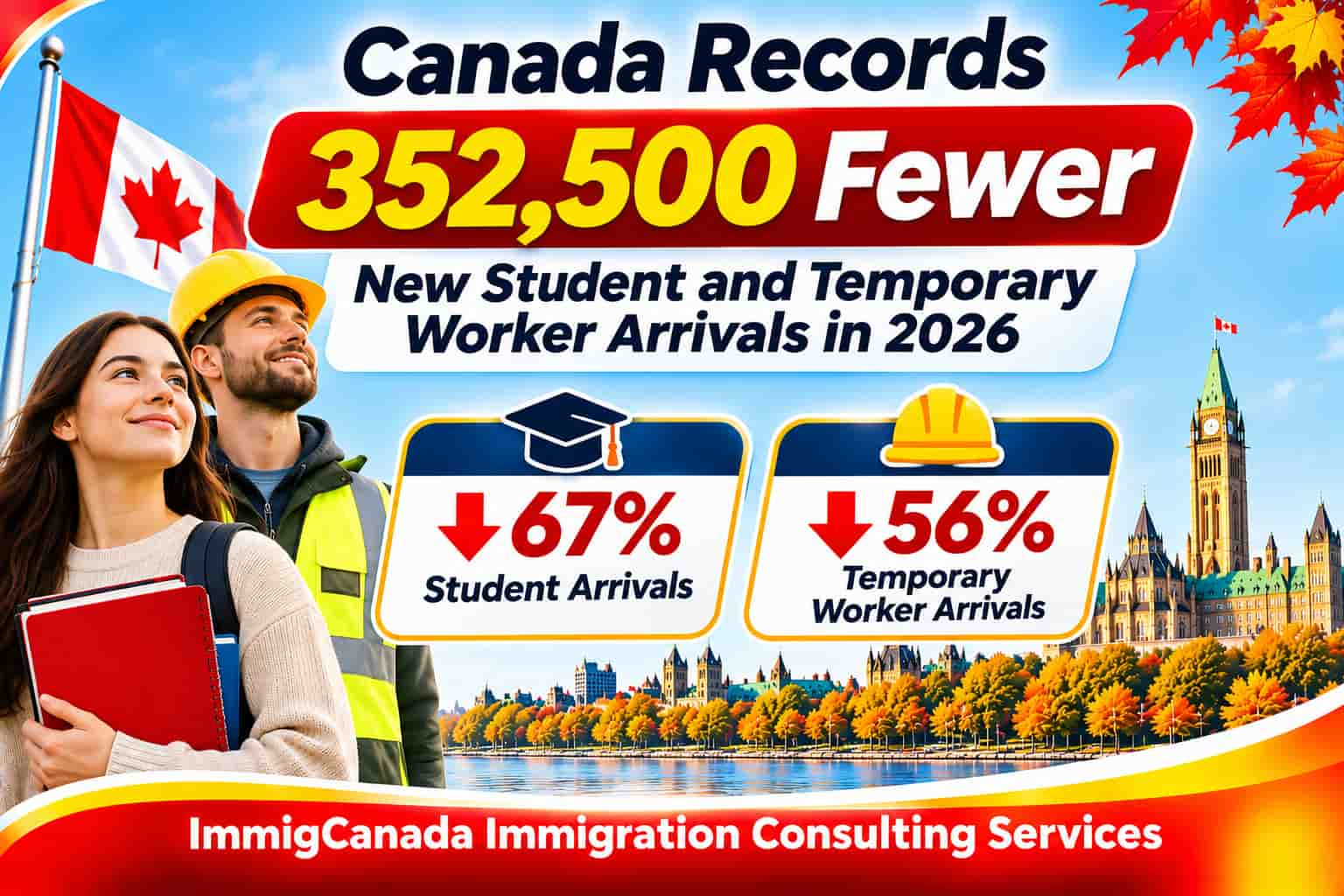
Statistics updated by Immigration, Refugees and Citizenship Canada (IRCC) on November 17 show that combined new international student and temporary worker arrivals between January and September 2026 were 61% lower than in the same period of 2024, a drop of roughly 352,500 people. New international student arrivals totalled 83,110, down 67%, while new temporary worker arrivals fell to 145,045, down 56%.
IRCC's targets aim to keep new international student arrivals within 155,000 and new temporary workers within 230,000. Over the same period, 183,030 former temporary residents became permanent residents, accounting for 59% of all new permanent residents, a sign that a growing share of new permanent residents already live and work in Canada.
The shift comes from several policies layered together. For students, Ottawa introduced a study permit cap, requires provincial attestation letters (PAL/TAL) from most applicants, and has tightened Post-Graduation Work Permit (PGWP) eligibility. For temporary workers, employers in the low-wage stream face limits on the share of foreign workers they can hire, some Labour Market Impact Assessment (LMIA) applications in regions with elevated unemployment are no longer processed, and open work permit eligibility for some family members has been narrowed.
2. Express Entry Now Counts Stipends and Research Grants for University Professors and Lecturers
Source: CIC News
Starting November 17, 2026, IRCC began recognizing non-wage pay for university professors and lecturers (NOC 41200) under a temporary public policy. Compensation paid through stipends, research grants, bursaries and scholarships can now count toward Express Entry work experience and job offers, including Comprehensive Ranking System (CRS) points.
NOC 41200 sits in the highest tier of IRCC's high-wage occupations list, with wages at least twice the Canadian median wage. Eligible candidates with at least one year of qualifying Canadian work experience may receive 70 additional CRS points, or 100 points for a qualifying job offer. In a notice published November 18, IRCC advised candidates with qualifying experience to update their Express Entry profiles.
In the same change, post-secondary teaching and research assistants (NOC 41201) were removed on November 17 from the "Researchers with Canadian work experience" category, leaving NOC 41200 as the only eligible occupation. Regulations previously defined work as an activity for which wages are paid or commission is earned, which excluded stipends, grants and similar academic pay from counting toward the Canadian Experience Class (CEC) and the Federal Skilled Worker Program (FSWP). The policy was signed by Immigration Minister Lena Metlege Diab on November 17 under section 25.2 of the Immigration and Refugee Protection Act. It has no predetermined end date and can be revoked by the minister; anyone invited before November 17 is not covered.

3. Economic Immigration Waits Shrink While Spousal Sponsorship Slows
Source: CIC News
IRCC's processing time update on November 17 shows shorter or steady waits across most economic immigration pathways, with the Federal Skilled Worker Program (FSWP) the exception. FSWP rose from seven months to nine months as its inventory grew by 1,800 applications, while the Canadian Experience Class (CEC) stayed at six months with 5,700 fewer applications in the queue.
For the Provincial Nominee Program, the base (non-Express Entry) stream fell from 13 months to 12 months with 6,300 fewer applications, while the enhanced Express Entry-linked stream held at seven months. The Atlantic Immigration Program dropped from 26 to 25 months, the Quebec Business Class from 75 to 73 months, and the Quebec skilled worker selection program (PSTQ) stayed at 11 months. The Start-Up Visa and the Federal Self-Employed Persons Program remain at more than 10 years. Service standards are six months for Express Entry programs, six months for enhanced PNP and 11 months for base PNP.
Family sponsorship moved the other way: waits for spousal and common-law partner sponsorship rose by one month across the board, to 27 months for applicants inside Canada and 19 months for applicants outside Canada. The Parents and Grandparents Program (PGP) improved from 28 to 26 months with 1,800 fewer applications. The service standard for spousal sponsorship is 12 months.

4. Proof of Citizenship Wait Hits 35 Months as the Queue Sets a Record
Source: CIC News
IRCC updated its processing time tool for proof of citizenship applications on November 17, raising the estimate from 34 months in October to 35 months. About 139,200 people are now waiting, 8,500 more than in October, an increase of roughly 6.5% and the largest queue since Canada changed its citizenship law in December 2025. At the current estimate, someone applying this week could expect a decision around October 2029.
The 35-month figure applies to applications filed in Canada and the United States. IRCC warns that applications from other countries may take longer and advises allowing an extra three to four months for mail. Bill C-3, in effect since December 15, 2025, removed the first-generation limit so that people born abroad with an unbroken line to a Canadian ancestor can also be citizens, and the queue has grown from about 40,400 people to 139,200, more than triple its earlier size.
IRCC's output has picked up: the department finalized 5,705 proof of citizenship applications in September, its highest monthly total since it began publishing a monthly breakdown in June. IRCC can move some files ahead through urgent processing, but requests need an explanation and a document showing the relevant date, and meeting the criteria does not guarantee faster handling. New applications join the back of the queue, so waiting does not shorten the wait.

5. Ottawa Puts the BVOR Refugee Sponsorship Program on Hold, Blindsiding Community Groups
Source: Global News
The federal government has quietly put on hold the Blended Visa Office-Referred (BVOR) refugee sponsorship program, which splits the cost of a refugee's first year in Canada between private organizations and the federal government and focuses on refugees identified by the United Nations. An IRCC spokesperson said that although the program is closed, all remaining applications will continue to be processed and individuals already matched with sponsors will continue to arrive and receive support as intended.
In a statement to Global News, IRCC said the program "required significant resources to support a small number of admissions." It admitted 82 people in 2025 against a target of 100; the 2026 target was 50 and final figures are not yet available. The program's target, up to 1,000 people a decade ago, stands at just 50 this year.
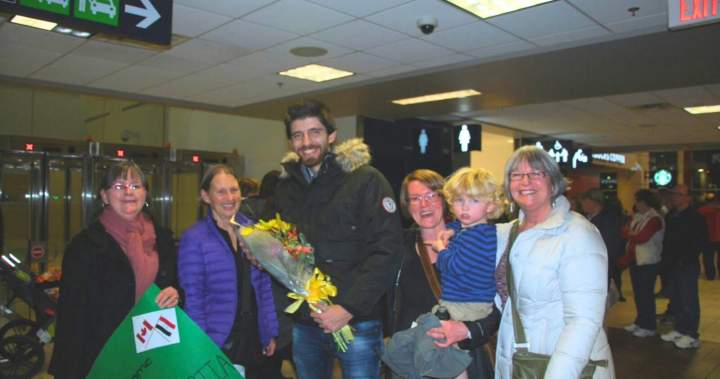
Tareq Hadhad, a Syrian refugee sponsored in 2015 by a community group in Antigonish, Nova Scotia, through the program, is now a Canadian citizen and the founder of the chocolate brand Peace by Chocolate. Outside his Halifax store, he told Global News the program "meant everything" and that without it his family might still be struggling in Lebanon, Turkey, Egypt or Jordan. Marie Thompson, volunteer director of the Halifax-based Open Harbour Refugee Association, which has used the program for 11 years, said there was no announcement: "We had to read between the lines and access anonymous sources." The group matched a young woman from Kenya last September and hopes she will arrive in December.
6. Quebec's PEQ Is Closed Again and Applicants Don't Know When the Next Window Opens
Source: CBC
The first application window for Quebec's popular Programme de l'expérience québécoise (PEQ) closed on October 31, and three weeks later the provincial government still has not said when a second window will open. Quebec's website states that it is "no longer possible to present an application through this program" and that "there has been no decision regarding a new period to accept applications." For years the PEQ was a fast track to permanent residence in the province.
The former CAQ government scrapped the PEQ in November 2025 and replaced it with the PSTQ, which critics describe as a more restricted pathway. After public outcry, the CAQ temporarily revived the PEQ this year with plans to shut it down for good in 2028, and the first window ran from July 2 to October 31. Éli Dubois, spokesperson for Quebec Immigration Minister Catherine Gentilcore, said the government is committed to a "predictable path toward permanent residence" for people who meet Quebec's criteria, namely French-language skills and labour needs, and said the summer reopening generated a high volume of requests in a short period. The Parti Québécois government's overall immigration plan will be presented before the holidays; the PQ promised during the campaign to lower the annual permanent immigration limit from 45,000 to 35,000.
Sabrina Kouider-Philippon, vice-president of the advocacy group Le Quebec c'est nous aussi, said applicants' federal work permits are expiring and not being renewed, so they are losing their status and their ability to work: "Their future is at stake." The second window could open any time between now and July 2028, uncertainty she called unacceptable. The group is also asking Ottawa to extend work permits for people caught in limbo.

7. Study Permits Held by Indian Students Head for a Decade Low
Source: Hindustan Times
As of the end of September 2026, Canada had 263,340 study permit holders, including 51,900 Indian students. The report says that if the fourth quarter follows the same trend, this will be the lowest annual figure for Indian students since 2017; in 2016, Indians accounted for 52,620 of 264,270 study permits.
Raghav Jain, principal lawyer at Toronto-based Vantage Immigration Law, noted that 82,935 study permits were issued to Indian students in 2017, compared with just 51,900 through the first three quarters of 2026, while even pandemic-affected 2020 recorded 80,870. The peak came in 2023, when Indians held 277,135 of the 680,620 study permits issued; that fell to 188,110 of 514,570 in 2024 and to 93,660 of 380,175 in 2025.
Jain called refusals a "significant contributing factor," saying his litigation practice increasingly encounters "standardized, boilerplate refusals" that question whether the cost of studying in Canada is justified by career benefits and educational alternatives in India, even when applicants provide detailed study plans. Other factors include the study permit cap, the new immigration levels plan announced this month setting 150,000 new international student arrivals a year, a living-expense requirement raised from CAD 10,000 in January 2024 to CAD 23,448, and tighter PGWP eligibility, particularly for public-private college partnership programs, along with new language and field-of-study requirements.

8. Graduate Study Permits Double as Master's and PhD Enrolment Defies the Downturn
Source: ImmigCanada
Even as overall study permit numbers fall, new study permits issued to international master's and doctoral students rose sharply in the second quarter of 2026. According to data reported by University Affairs, IRCC issued 6,455 new study permits to graduate students between April and June 2026, more than double the 3,085 issued in the same quarter of 2025, while extensions rose from 3,935 to 8,035.
The increase came despite fewer applications: new and extension applications in the graduate category totalled 23,480 in the second quarter of 2026, down from 26,820 a year earlier. Graduate students accounted for about 20% of new study permits issued between January and August 2026, compared with 12% in 2025.
On policy, eligible master's and doctoral students at public designated learning institutions have been exempt since January 2026 from the study permit cap and the associated provincial attestation letter requirement, though a study permit and other immigration conditions still apply. The 2027–2029 Immigration Levels Plan sets 150,000 new international student arrivals and 220,000 new temporary worker arrivals a year, for 370,000 temporary resident arrivals annually. The report notes these are planning targets, not a guarantee of approval for individual applicants.

More News
- Maple Express | November 23, 2026 — Chow uses strong mayor powers to shake up city hall
- Global Express | November 23, 2026 — Ukraine Says Sea Drones Sank Russian Corvette in Libya
- Finance Morning: ChiNext Jumps 3% as Tokyo and Seoul Slide
- Tech Express | November 23, 2026 — DeepSeek Hits 65 Trillion Tokens a Week, Leading Global AI Usage for a Fifth Straight Week
- Sports Express | November 23, 2026 — Larkin Traded to Montreal as Red Wings Rebuild
Comments (0)
View More
 -18%
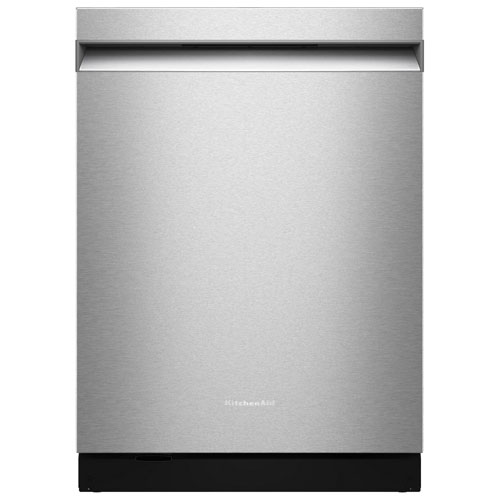
KitchenAid 24" 44dB Dishwasher with Third Rack — 50+ Wash Jets and ProDry Drying! $1,399.99 CAD (18% Off)
 -42%
🎉 史新低!Logitech MK345 Wireless Keyboard and Mouse Combo — 3-Year Keyboard Battery! $34.99 CAD (42% Off)
 -45%
Skechers Women's Easy Going Fall Feeling Hands Free Slip-Ins Boot — 45% Off, $71.39
 -28%
🎉 史新低!Geekpure 5-Stage Reverse Osmosis System, 75 GPD — Twist-Change Filters, No Tools! $180.48 CAD (28% Off)
 Global Express
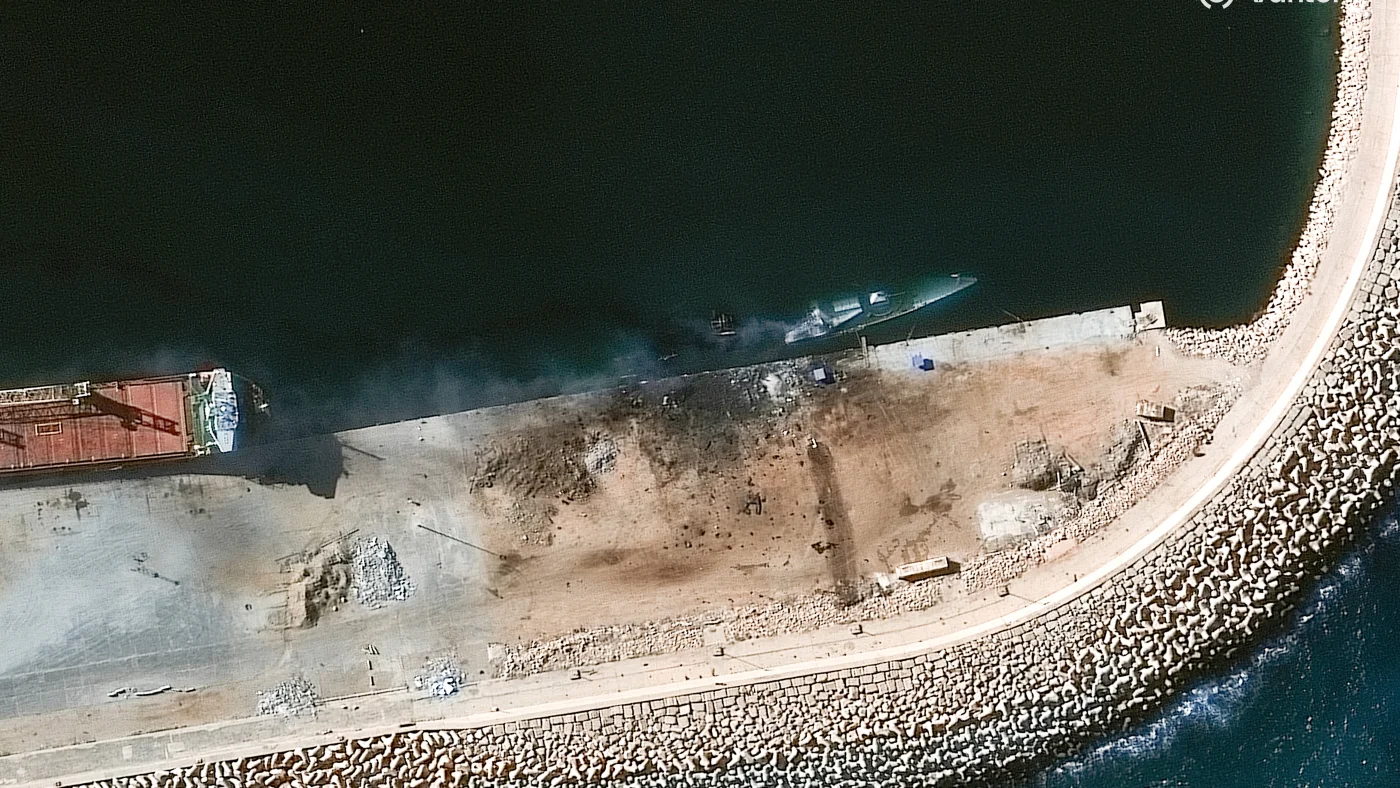
 | November 23, 2026 — Ukraine Says Sea Drones Sank Russian Corvette in Libya
 Finance Morning
: ChiNext Jumps 3% as Tokyo and Seoul Slide
-18%KitchenAid 24" 44dB Dishwasher with Third Rack — 50+ Wash Jets and ProDry Drying! $1,399.99 CAD (18% Off)
Best Buy
-42%🎉 史新低!Logitech MK345 Wireless Keyboard and Mouse Combo — 3-Year Keyboard Battery! $34.99 CAD (42% Off)
Amazon
-45%Skechers Women's Easy Going Fall Feeling Hands Free Slip-Ins Boot — 45% Off, $71.39
Amazon
-28%🎉 史新低!Geekpure 5-Stage Reverse Osmosis System, 75 GPD — Twist-Change Filters, No Tools! $180.48 CAD (28% Off)
Amazon
Global ExpressGlobal Express | November 23, 2026 — Ukraine Says Sea Drones Sank Russian Corvette in Libya
Finance Morning