
# Tech Express | July 18, 2026 WAIC 2026 Opens in Shanghai as Xi Jinping Launches New AI Governance Bloc 'WAICO'
On July 17, 2026, WAIC 2026 opened in Shanghai as Xi Jinping launched WAICO, a new AI governance alliance with 29 nations. China AI momentum surged with Kimi K3 release and Apple Intelligence approval. In North America: Meta broke ground on a $13B data centre in Alberta, SpaceX scrubbed Starship Flight 13, and Samsung Z Fold 8 design leaked. Security: EY disclosed a data breach. Mobile: Google to open Android to third-party app stores on July 22.
Tech Express | July 18, 2026 WAIC 2026 Opens in Shanghai as Xi Jinping Launches New AI Governance Bloc 'WAICO'
📰 WAIC 2026 Kicks Off in Shanghai: Xi Jinping Unveils WAICO With 29 Founding Nations
The 2026 World Artificial Intelligence Conference (WAIC) opened in Shanghai on July 17, with Chinese President Xi Jinping delivering the keynote address and announcing the formation of the World AI Cooperation Organization (WAICO). Headquartered in Shanghai, the organization launched with 29 founding member countries including Indonesia, Brazil, Malaysia, South Africa, Russia, and Pakistan — representing a broad coalition of Global South nations.
In his speech, Xi emphasized that AI "should not be a solo performance by a single country," calling for international cooperation and warning against any one nation monopolizing AI technology. The remarks were widely interpreted as a direct challenge to U.S. dominance in the AI sector. The creation of WAICO signals a new bifurcation in global AI governance, establishing a parallel framework to Western-led institutions.
The four-day conference features over 300 new AI product debuts. Huawei showcased its Atlas 950 super node system built on 8,192 Ascend chips, while multiple humanoid robots and the world's first AI agent smartphone also drew significant attention.
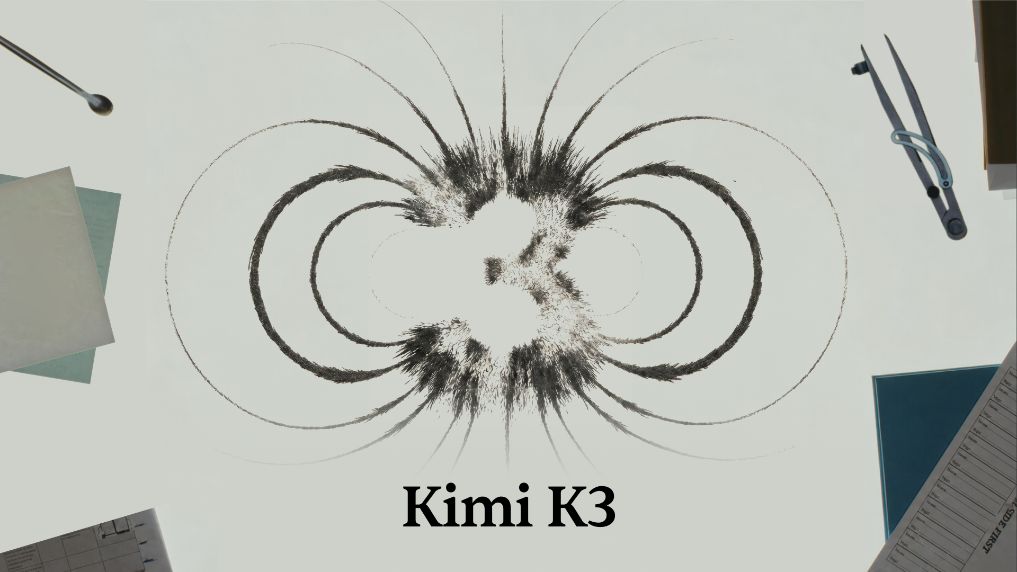
📰 Moonshot AI Unveils Kimi K3: World's Largest Open-Source Model at 2.8 Trillion Parameters
Beijing-based Moonshot AI officially released its next-generation large language model Kimi K3 on July 17, boasting 2.8 trillion parameters and becoming the largest open-source AI model in the world. The model natively supports visual understanding, features a 1-million-token context window, and is optimized for complex tasks including software engineering, knowledge work, deep research, and multimodal comprehension.
The release generated widespread industry buzz, even drawing a like from Elon Musk on social media. Moonshot AI described K3 as its "most capable model yet," with strong benchmark performance in multi-turn dialogue, code generation, and complex reasoning. Adopting an open-source strategy, K3 allows developers worldwide to freely access and deploy the model, accelerating AI innovation and adoption.
Analysts note that Kimi K3 not only demonstrates China's rapid progress in foundation models but also poses significant competition to closed-source models from OpenAI and Anthropic. The landscape is rapidly evolving between open and closed approaches.
📰 Apple Intelligence Wins China Approval After 22 Months: Alibaba Qwen Powers Language AI, Baidu Handles Search
After a 22-month wait, Apple Intelligence received formal approval from China's Cyberspace Administration (CAC) on July 15, clearing the way for Chinese iPhone users to access Apple's AI features. Under the approved arrangement, Alibaba's Qwen large language model will provide core text and image understanding capabilities, while Baidu will handle visual search functionality.
Notably, the China version of Apple Intelligence will not use Apple's Private Cloud Compute architecture, with Alibaba legally required to comply with Chinese regulatory requirements. This arrangement satisfies compliance needs while enabling Apple to bring its flagship AI product to the world's largest smartphone market.
Alibaba shares rose approximately 4% following the announcement, as markets reacted positively to Qwen securing this marquee customer. For Apple, the approval ends an awkward period of iPhone AI features being unavailable in China and could boost sales in the crucial market.
📰 Meta Breaks Ground on First Canadian Data Centre in Alberta in $13 Billion Project
Meta officially broke ground on July 17 on its first-ever Canadian data centre in Sturgeon County, Alberta. The project represents a total investment of approximately $13 billion, spanning roughly 2.9 million square feet with a planned capacity of 1 gigawatt, and is expected to create around 300 direct jobs.
This ranks among the largest data centre projects in Canadian technology history. Alberta is actively courting tech giants to build AI computing infrastructure, leveraging its abundant natural gas resources, cool climate, and relatively low electricity costs. Once operational, the facility will become one of Meta's most important data centres globally, providing substantial computing power for AI model training and cloud services.
Analysts note that the project's location underscores Canada's increasingly strategic role in the global AI infrastructure race.

📰 SpaceX Scrubs Starship Flight 13 Launch at the Last Second
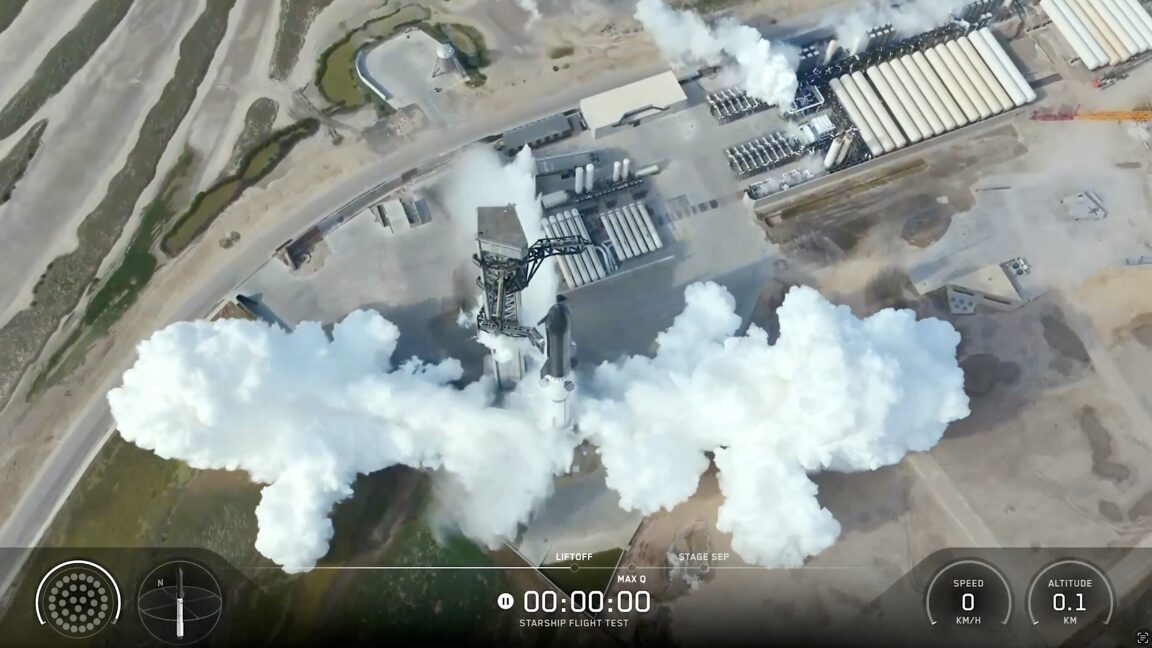
SpaceX aborted the 13th test flight of its Starship megarocket on July 16 at the Boca Chica, Texas launch site, after some of the engines failed to start during the countdown. SpaceX stated on social media that it was "offloading propellant" and that the next launch attempt is expected within days.
The launch was originally scheduled for 6:45 PM EDT with a 90-minute window. This flight represents a critical milestone on the path to NASA's Artemis lunar missions, with the agency closely monitoring Starship's progress. Flight 13 objectives included booster recovery and Starship upper-stage reentry testing.
Industry analysts note that synchronized engine ignition for super-heavy rockets remains a significant technical challenge, and aborts of this nature are not uncommon. The next launch attempt is tentatively set for July 20.
📰 Samsung Galaxy Z Fold 8 Design and Specs Fully Leaked, Shows Wider Display
Renowned leaker Evan Blass shared extensive renders and specifications of Samsung's Galaxy Z Fold 8 on July 17, just days before Samsung's official launch event on July 22. The leak reveals a shorter, wider foldable design featuring a Qualcomm Snapdragon 8 Elite for Galaxy processor, 50MP wide and ultra-wide rear cameras, 10MP selfie cameras on both displays, and an advertised 26-hour video playback battery life.
The Galaxy Z Flip 8 and Z Fold 8 Ultra were also leaked. The Flip 8 features a 4,300mAh battery and a 50MP/12MP dual rear camera setup, while the Ultra version gets a 5,000mAh battery, 200MP main camera, and 10MP telephoto lens with approximately 27 hours of video playback.
This massive leak continues Samsung's tradition of having almost "zero secrets" ahead of its flagship launches, building anticipation for the upcoming Galaxy Unpacked event.

📰 EY Data Breach Exposed: Hackers Gain Access to IT Support System
Ernst & Young (EY), one of the Big Four global accounting and consulting firms, filed data breach notifications with the California Attorney General's office on July 15, confirming that hackers had infiltrated its IT support system and downloaded internal documents. The full scope of affected data remains unclear, but as one of the world's largest professional services firms, EY holds sensitive information for numerous corporate and government clients.
Cybersecurity experts warn that attacks on professional services firms are on the rise, as these organizations serve as "trust hubs" for large enterprises and government agencies — a single breach can trigger cascading consequences. EY has stated it has launched an internal investigation and notified affected clients.
This incident, occurring amid heightened enterprise cybersecurity tensions, serves as another wake-up call for organizations to scrutinize third-party vendor security management.

📰 Google to Open Android to Third-Party App Stores Starting July 22
The Epic Games vs. Google antitrust battle has reached a pivotal milestone. On July 16, both parties jointly withdrew their alternative settlement proposal, clearing the way for the original 2024 court injunction to take full effect. Google confirmed to the court that it will begin allowing third-party app stores onto Google Play in the United States starting July 22.
This marks the end of Google's years-long monopoly over Android app distribution. Going forward, stores like the Epic Games Store will be able to reach users directly through Google Play, freeing consumers from being locked into Google's payment and distribution system. Meanwhile, EU regulators have also ordered Google to open more Android system permissions to competing AI assistants.
The four-year legal battle is fundamentally reshaping the mobile app ecosystem, with potential implications for similar litigation against Apple's App Store.
More News
- Finance Evening | Anthropic Files for Nasdaq IPO as AI Capital Frenzy Meets Bubble Worries
- Maple Express Evening | October 26, 2026: Vehicle found in Scarborough child abduction case, three children still missing
- Maple Express | October 26, 2026: Ford says trade war is hurting both countries
- Immigration | October 26, 2026 Express Entry's new scoring takes effect November 3: high-wage job offers worth up to 100 points
- Global Express | October 26, 2026 - Serbia's Vucic Concedes Defeat, Ending 14 Years in Power
Comments (0)
View More
 -10%
-10%ASUS ZenScreen Duo MB14FCD — Two 14" Screens in One Portable Monitor! $449.99 CAD (10% Off)
 -41%
-41%🎉 史新低!Pipishell Full Motion TV Wall Mount (13–43") — Single-Stud Install, 44 lb Capacity! $22.76 CAD (40% Off)
 -51%
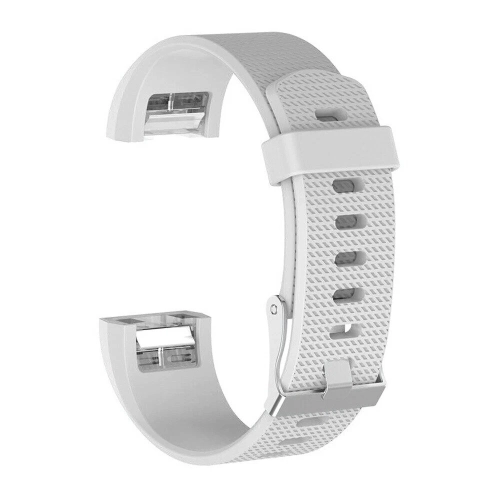
-51%TASNIM Fitbit Charge 2 Silicone Replacement Band (Large, White) — A Fresh Strap for Five Bucks! $4.99 CAD (50% Off)
 -34%
-34%Acer EK271 27" IPS Monitor — 120Hz and 1ms for Work or Play! $119.99 CAD (33% Off)
 Maple Express
Maple Express | October 26, 2026: Ford says trade war is hurting both countries
 Finance Morning
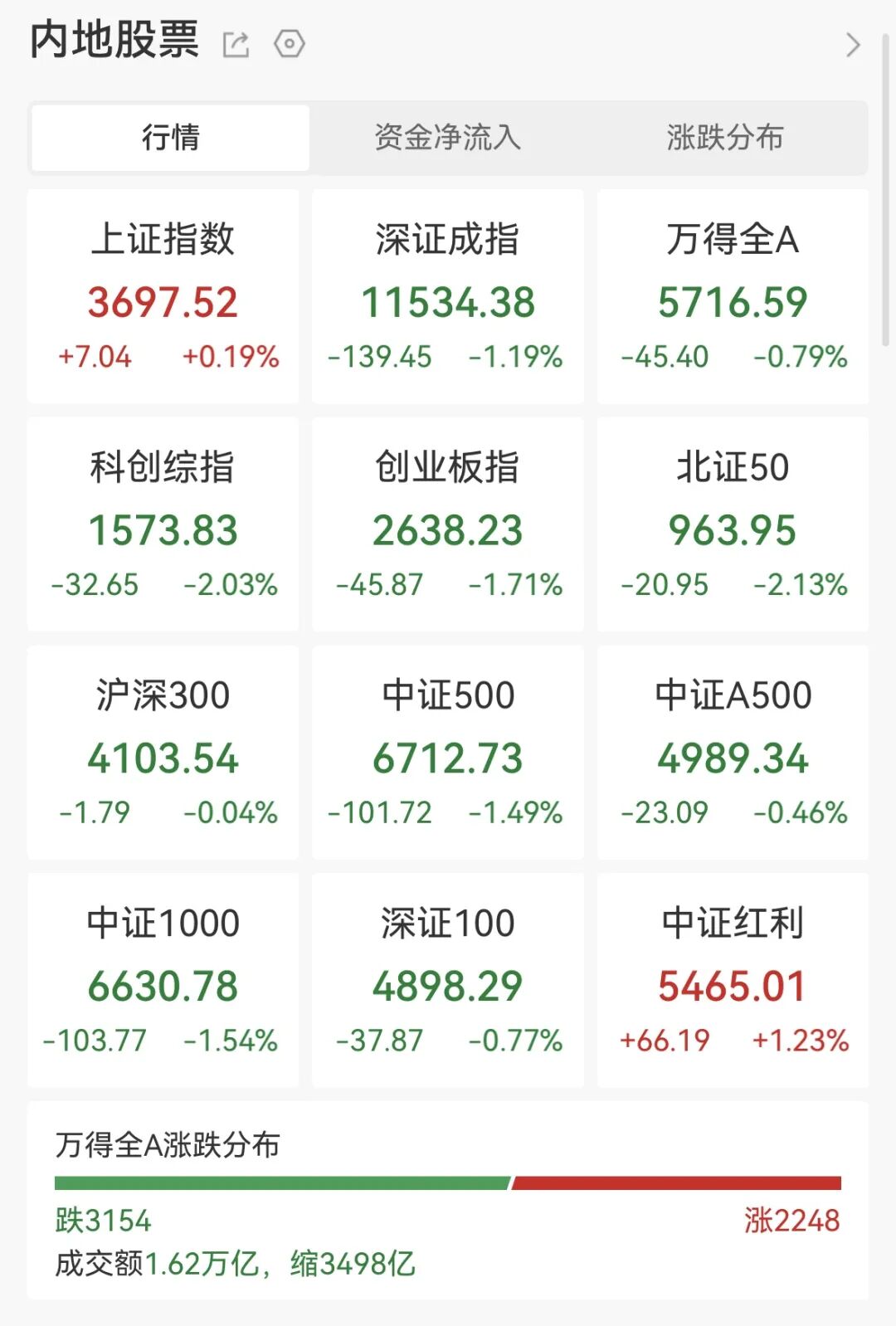
Finance Morning | October 26, 2026 — Shanghai Edges Up 0.19% as Banks and Oil Lead, Asia Mostly Lower
-10%ASUS ZenScreen Duo MB14FCD — Two 14" Screens in One Portable Monitor! $449.99 CAD (10% Off)
Amazon
-41%🎉 史新低!Pipishell Full Motion TV Wall Mount (13–43") — Single-Stud Install, 44 lb Capacity! $22.76 CAD (40% Off)
Amazon
-51%TASNIM Fitbit Charge 2 Silicone Replacement Band (Large, White) — A Fresh Strap for Five Bucks! $4.99 CAD (50% Off)
Best Buy
-34%Acer EK271 27" IPS Monitor — 120Hz and 1ms for Work or Play! $119.99 CAD (33% Off)
Amazon
Maple ExpressMaple Express | October 26, 2026: Ford says trade war is hurting both countries
Finance Morning