
Finance Evening | August 19, 2026 Fed Minutes Signal Possible Rate Hike If Inflation Doesn't Cool
Fed July minutes signal possible rate hike if inflation doesn't cool; Wall Street indices rise as Treasury expands long-bond buybacks dubbed "mini QE"; U.S.-Canada 50% tariffs delayed three days; Target's Q2 profit doubles on nearly $1B tariff refund; Lowe's cuts outlook on soft DIY spending; Merck & Moderna melanoma vaccine data positive; OpenAI says IPO by 2027 or sooner; yuan nears 6.7 per dollar; State Farm pays record $5B dividend.
📊 North American Market Close
| Index / Commodity | Close | Change | % Change |
|---|---|---|---|
| S&P 500 | 7,707.98 | +16.22 | +0.21% |
| NASDAQ | 26,331.09 | +41.38 | +0.16% |
| Dow Jones | 53,463.05 | +119.65 | +0.22% |
| TSX Composite | 36,401.79 | +33.86 | +0.09% |
| USD/CAD | 1.3806 | -0.01 | -0.63% |
| WTI Crude | 84.40 | +0.01 | +0.01% |
| Gold | 4,580.70 | +35.40 | +0.78% |
Fed Minutes: Rate Hike Possible If Inflation Doesn't Cool
The Fed's July meeting minutes, released Wednesday, showed officials believe policy tightening may be needed soon if inflation does not decline further. "Many participants assessed that policy tightening would likely be necessary if inflation did not decline." At the July 28-29 meeting, the FOMC voted 9-3 to hold rates steady, with dissenting officials emphasizing the need for prompt action to return inflation to target.
The minutes also showed officials discussed reducing the number of meetings per year, with Chair Kevin Warsh suggesting six meetings might be more efficient than the current eight. Markets read the minutes as broadly hawkish, though expectations for a September hold were unchanged. Treasury yields moved modestly, the dollar slipped and gold rebounded.
Wall Street Recap: Indices Rise as Yields Retreat
U.S. stocks finished higher Wednesday, with sentiment lifted by falling bond yields. The S&P 500 gained 0.21% to 7,707.98, the Dow rose 0.22% to 53,463.05, and the NASDAQ added 0.16% to 26,331.09. Healthcare names including Moderna led gains, offsetting early weakness in technology stocks.
The prior session saw a tech selloff, with the NASDAQ falling over 1% on Tuesday as surging global bond yields stoked valuation concerns. After the Treasury announced expanded long-dated buybacks Wednesday, the 30-year yield retreated from its highest level since 2007, easing market pressure. Crude was little changed, with WTI at $84.40 per barrel.
Treasury Expands Long-Bond Buybacks, Called "Mini QE"
The U.S. Treasury announced Wednesday it would at least double the per-operation size cap for liquidity-support buybacks of long-dated nominal coupon Treasuries, from $2 billion to $4 billion, effective September 9. This follows a July 30 quarterly refunding plan that raised total liquidity buyback capacity from $30 billion to $38 billion, a clear escalation of intervention.
After the announcement, the 30-year Treasury yield fell, the dollar index dropped, and gold and stock futures rebounded. Several overseas institutions labeled the move a "mini quantitative easing," though analysts stress buybacks are a debt-management tool, not net easing, and differ fundamentally from Fed QE. The 30-year yield remains above 5.2%, the highest since 2007, as federal debt approaches a record $40 trillion.
U.S.-Canada Trade Talks: 50% Tariffs Delayed Three Days
U.S.-Canada trade talks took a dramatic turn early Wednesday. About two hours before a 50% U.S. tariff on Canadian goods was set to take effect, President Trump announced a three-day delay. Adding to the intrigue, the two sides disagreed on progress: Trump said the two countries had "reached a deal," while Prime Minister Carney only acknowledged "substantial progress."
The dispute began July 20, when Trump announced 50% tariffs on hundreds of specific Canadian products, covering nearly US$20 billion (C$28 billion) in imports. The two sides remain at odds over auto tariffs and Canadian provinces' bans on American liquor, and the fate of the USMCA renewal hangs in the balance. Analysts say the outcome will reshape North American — and global — trade dynamics.
Target Gets Nearly $1B Tariff Refund, Q2 Profit Doubles
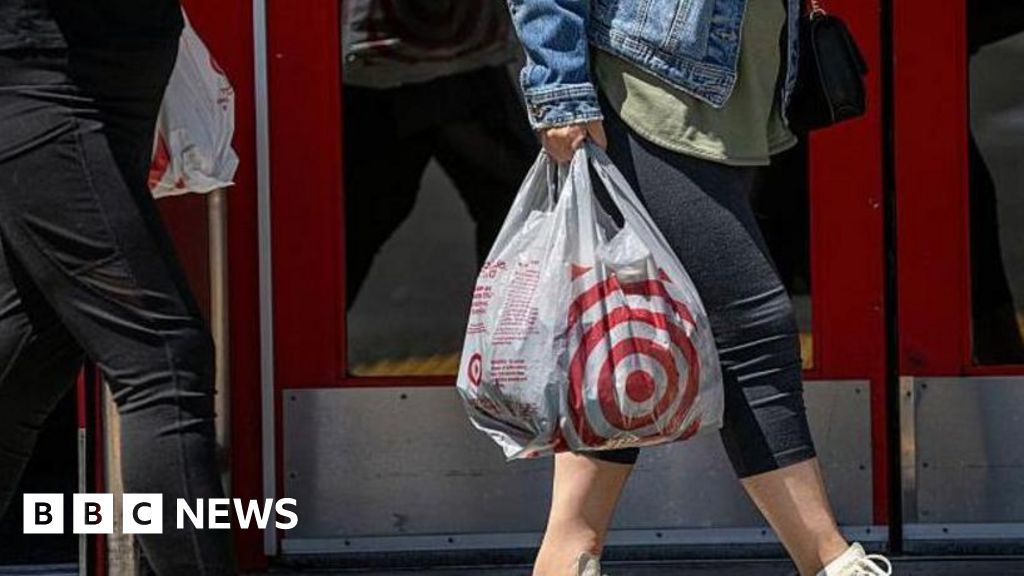
U.S. retail giant Target disclosed Wednesday it received nearly $1 billion ($994 million) in tariff refunds from the U.S. government, more than doubling its Q2 operating income to $2.6 billion from $1.3 billion a year earlier. The refunds follow a Supreme Court ruling that struck down a wave of President Trump's import tariffs; customs data shows the government has repaid about $100 billion in "Liberation Day" tariffs.
Target's CFO said the company will "continue to invest in price," having cut prices on more than 10,000 items over the past year. The retailer is also reducing its reliance on Chinese sourcing — about 30% of its private-label goods now come from China, down from 60% in 2017. Cosmetics giant Estée Lauder separately recorded a $38 million tariff-refund benefit in its latest quarter.
Lowe's Cuts Full-Year Outlook as DIY Spending Stays Soft
Home improvement giant Lowe's reported Q2 sales of about $26 billion Wednesday, a slight beat, but trimmed its full-year sales and profit guidance to the bottom of prior ranges, citing persistently soft do-it-yourself spending. The CEO said the company still sees "pressure" in home improvement spending, and shares slipped as much as 3% premarket.
Like rival Home Depot, Lowe's faces high interest rates weighing on housing-related consumption. Shares closed up about 2% Wednesday, however, reflecting the earnings beat. Notably, Lowe's operates a large network of stores in Canada, making its results a bellwether for North American household spending.

Merck & Moderna: Cancer Vaccine Shows Melanoma Promise
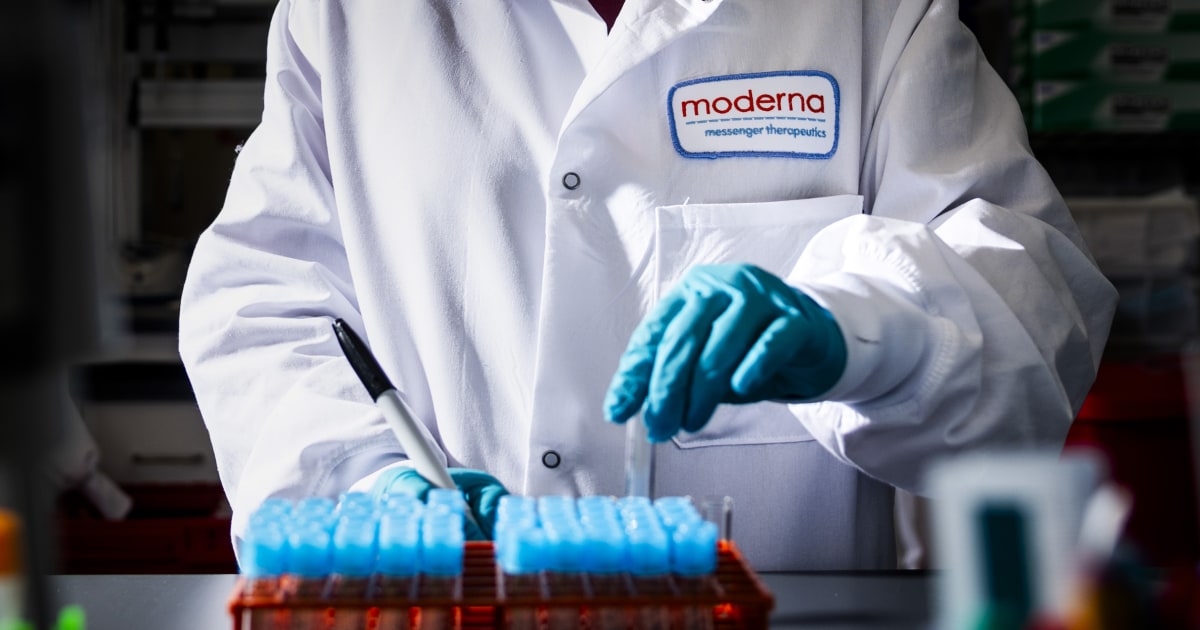
Merck and Moderna released clinical data Wednesday showing their individualized cancer vaccine mRNA-4157 (V940) demonstrated positive results in preventing recurrence of melanoma in high-risk patients, significantly extending time before the cancer returned. The trial data has not yet been published, but the companies called the results encouraging.
The vaccine, combined with Merck's immunotherapy Keytruda, is designed to train the immune system to recognize and attack mutations unique to each patient's tumor. The news lifted healthcare stocks, with Moderna surging to become one of the S&P 500's biggest gainers. If approved, it would mark the first major breakthrough for mRNA technology in oncology.
OpenAI CFO: Company Will Go Public in 2027 or Sooner
OpenAI CFO Sarah Friar told employees Wednesday that the company "will be a public company in 2027" or sooner — a rare, explicit IPO timeline from OpenAI leadership. Markets have long speculated about an eventual listing for the AI giant, but officials had never confirmed a specific timeframe.
The plan comes amid a boom in global AI investment alongside bubble concerns. Analysts say OpenAI's valuation, path to profitability, and massive computing spending will be key investor focuses. If it proceeds as planned, it would be one of the most anticipated tech IPOs in recent memory.

Yuan Nears 6.7 per Dollar; Exporters Battle Currency Risk
The yuan's sustained strength against the U.S. dollar, approaching 6.7, has pushed exporters back to the forefront of currency risk. Since the appreciation cycle began in April 2025, it has been long and sharp — a severe "stress test" for small and mid-sized manufacturers whose profit margins are typically in single digits.
Reporting from the ground shows exporters are adapting to two-way exchange-rate volatility as the new normal, using multi-pronged strategies: shortening quote cycles (from three months to 30 days), flexible pricing, and raising product value-added. Many companies say that ultimately "product is king," and currency swings are forcing industrial upgrades.
State Farm Pays Record $5B Dividend to Auto Customers
State Farm Mutual, the largest U.S. auto insurer, has begun issuing one-time $5 billion cash-back dividends to qualifying auto customers — the largest payout in the company's 100-plus-year history. The distribution covers more than 49 million qualifying vehicles, averaging about $100 per vehicle.
Payments vary by state, with each vehicle's dividend ranging from 4% to 10% of premiums paid in 2025. As a mutual company, State Farm returns operating surplus to customers, having also cut auto rates in many states. Eligible customers need not apply — payments arrive automatically.
More News
- Maple Express | October 3, 2026 — Ontario Air Ambulance Jet With Six Aboard Missing Off U.S. Coast
- Global Express | October 3, 2026 — Flydubai Pilot Attacked Captain With Crash Axe, UAE Says Attempted Terror Attack
- Tech Express | October 3, 2026 — Apple Confirms US iPhone 18 Pro Max Connectivity Fault, Affected Users Must Swap Devices
- Sports Express | October 3, 2026 — Car Rams Crowd of Rugby Fans North of Sydney, Injuring 10
- Maple Express | October 3, 2026 — Man Seriously Injured in Stabbing at Mississauga Bus Terminal Near Square One
Comments (0)
View More
 -21%
-21%Pokémon TCG Storm Emeralda Booster Box (30 Packs) — 150 Cards to Rip! $166.39 CAD (20% Off)
 -41%
-41%SUPVAN T50M Pro Bluetooth Label Maker — Organize Everything From Your Phone! $29.99 CAD (40% Off)
 -60%
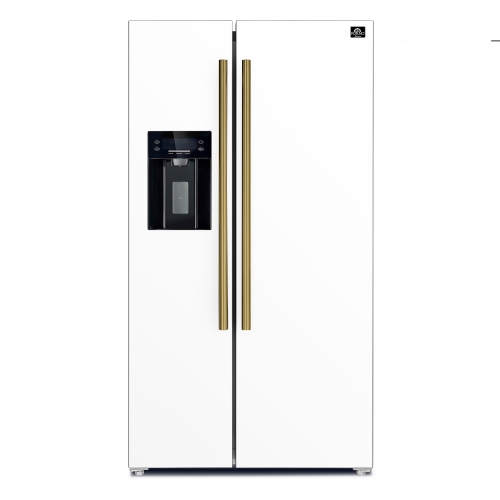
-60%FORNO Espresso Salerno 36-inch Side-by-Side Refrigerator — 20 cu.ft with Ice & Water Dispenser, 60% Off! $1699.00 CAD
 0
0Kobo Stylus 2 — The Pen Built for Kobo Libra Colour | $88.99 CAD
 Tech Express
Tech Express | October 3, 2026 — Apple Confirms US iPhone 18 Pro Max Connectivity Fault, Affected Users Must Swap Devices
 Sports Express
Sports Express | October 3, 2026 — Car Rams Crowd of Rugby Fans North of Sydney, Injuring 10
-21%Pokémon TCG Storm Emeralda Booster Box (30 Packs) — 150 Cards to Rip! $166.39 CAD (20% Off)
Amazon
-41%SUPVAN T50M Pro Bluetooth Label Maker — Organize Everything From Your Phone! $29.99 CAD (40% Off)
Amazon
-60%FORNO Espresso Salerno 36-inch Side-by-Side Refrigerator — 20 cu.ft with Ice & Water Dispenser, 60% Off! $1699.00 CAD
Best Buy
0Kobo Stylus 2 — The Pen Built for Kobo Libra Colour | $88.99 CAD
Amazon
Tech ExpressTech Express | October 3, 2026 — Apple Confirms US iPhone 18 Pro Max Connectivity Fault, Affected Users Must Swap Devices
Sports Express