
Tech Express | August 2, 2026 Google Pulls Earth AI Tool After Misinformation Warnings
Today's Tech Express covers Google's abrupt withdrawal of its Earth AI image tool after just 48 hours over misinformation risks, a paradigm shift in China's AI market as ByteDance, Kimi, and Baidu launch paid tiers simultaneously, CXMT's historic IPO and Unitree's looming listing reflecting China's hardware ambitions, plus NHTSA probing 1.2 million Teslas over suspension failures.
📰 Google Pulls Earth AI Tool After 48 Hours Amid Misinformation Warnings
Google launched a new feature last Thursday that integrated its AI image generator Nano Banana 2 into Google Earth, allowing users to create fake scenes layered on top of real satellite imagery through text prompts. Less than 48 hours later, Google abruptly paused the feature. BBC Verify demonstrated that the tool could generate images of a collapsed Eiffel Tower, a sinkhole swallowing the Great Pyramid of Giza, and Russian tanks in Ukraine's capital—all downloadable and shareable on other platforms.
In a statement on Friday, Google acknowledged seeing "people sharing screenshots of generated imagery that appear to violate our policies" and said it was pausing the feature "while we work on implementing stronger guardrails." The company added: "We know that people uniquely trust Google Earth for a reliable view of the world." Multiple experts told BBC Verify that the tool could be exploited to spread misinformation carrying the appearance of Google's legitimacy, with bad actors potentially abusing it to sow chaos.
The incident highlights the growing tension between rapid AI image generation capabilities and the need to preserve information authenticity. As next-generation AI tools like Nano Banana 2 enter the mainstream, tech giants face mounting pressure to balance innovation with trustworthiness.
— BBC News
📰 NHTSA Opens Probe Into 1.2 Million Tesla Model 3 and Model Y Over Suspension Failures
The U.S. National Highway Traffic Safety Administration announced on Friday that it has opened a preliminary investigation into approximately 1.2 million Tesla Model 3 and Model Y vehicles. The probe follows 156 complaints that a front suspension component can detach while driving, potentially causing drivers to lose steering control. The investigation covers Model 3 vehicles from 2019 to 2023 and Model Y vehicles from 2020 to 2023.
This investigation marks the latest in a series of safety reviews faced by Tesla in recent years. Complaints indicate that the suspension link can suddenly fracture with no prior warning, with some owners reporting harrowing moments on highways. If the investigation ultimately confirms a safety defect, the NHTSA could require Tesla to conduct a large-scale recall.
Tesla has not yet issued a formal response to the investigation. The probe comes at a time when Tesla faces intensifying global competition and multiple regulatory challenges, including ongoing scrutiny of its autonomous driving systems. Tesla's stock showed volatility in after-hours trading following the announcement.

— Electrek
📰 Uber Is Building an Autonomous Vehicle Empire With Nearly 30 Partnerships
According to TechCrunch, Uber has partnered with—and in some cases made direct investments in—approximately 30 autonomous vehicle companies over the past two years, quietly assembling a vast autonomous driving empire. From Waymo's robotaxis to Starship Technologies' sidewalk delivery robots, Uber's strategy is not to build its own vehicles but to become the mobility and delivery platform for all autonomous technology companies.
Uber Eats has reached an agreement with Starship Technologies to deploy delivery robots for food orders across multiple European countries, with plans to eventually expand to the U.S. market. Uber has also partnered with several autonomous trucking companies, positioning itself in the long-haul freight autonomous network space. Analysts note that Uber's platform strategy allows it to benefit from the autonomous driving revolution without bearing the enormous costs of hardware development.
This strategy aligns with Uber's 2020 decision to sell its in-house autonomous driving unit, ATG. Today, Uber is returning to the autonomous driving arena with a far more asset-light model. As Waymo, Cruise, and others roll out commercial services in more cities, Uber's platform aggregation approach is beginning to show results.

📰 China's CXMT Goes Public as Hefei Government Sees Trillion-Yuan Paper Gains
CXMT (ChangXin Memory Technologies), China's leading DRAM manufacturer, has officially entered the public market, marking a critical milestone for China's memory chip industry. The Hefei municipal government, an early investor, is sitting on paper gains exceeding one trillion yuan. After a decade of development, CXMT now ranks fourth globally in DRAM market share, though it held less than 8% as of the end of last year—still a vast gap compared to Samsung Electronics (Q1 revenue approximately 348.1 billion yuan) and SK Hynix (approximately 244 billion yuan).
CXMT has capitalized on the global AI computing boom, with its financial performance undergoing a dramatic turnaround. The surge in demand for high-bandwidth memory (HBM) and DRAM from AI data centers has provided a historic window of opportunity for Chinese memory chip companies. However, in advanced process nodes and HBM technology, CXMT still faces a significant technological gap relative to international giants.
Analysts note that CXMT must continue heavy investment in R&D and capacity expansion to hold its ground in the fiercely competitive global DRAM market. Proceeds from the IPO will primarily fund next-generation DRAM technology development and production expansion, as China's memory chip industry navigates the critical transition from catching up to running alongside global leaders.

— 36Kr
📰 ByteDance, Kimi, and Baidu Wenxin All Launch Paid Tiers, Marking a Paradigm Shift for Chinese AI
China's AI application market is undergoing a profound business model transformation. ByteDance, Moonshot AI's Kimi, and Baidu's Wenxin Yiyan have all simultaneously launched paid subscription tiers, marking the official arrival of the third phase of Chinese AI monetization: from free user acquisition, to partial freemium, to full paid models. May 4, 2026 is viewed as the tipping point of this paradigm shift.
Over the past five years, the Chinese AI application business model has evolved through three distinctly different stages: the free phase centered on user growth, the freemium phase testing user willingness to pay, and the current full paid phase reflecting an industry consensus—that high-quality AI services require sustainable business models. Analysts note that this shift also reflects the reality that while AI computing costs are declining, the cost of delivering high-quality, deep reasoning services remains substantial.
Western AI markets long ago established paid subscriptions as the dominant model, making China's shift symbolically significant. As more Chinese AI applications move toward monetization, finding the right balance between pricing and service quality will be the core challenge facing every player in the market.

— 36Kr
📰 Unitree IPO Looms as Robotics Stands Between Idealism and Physical Reality
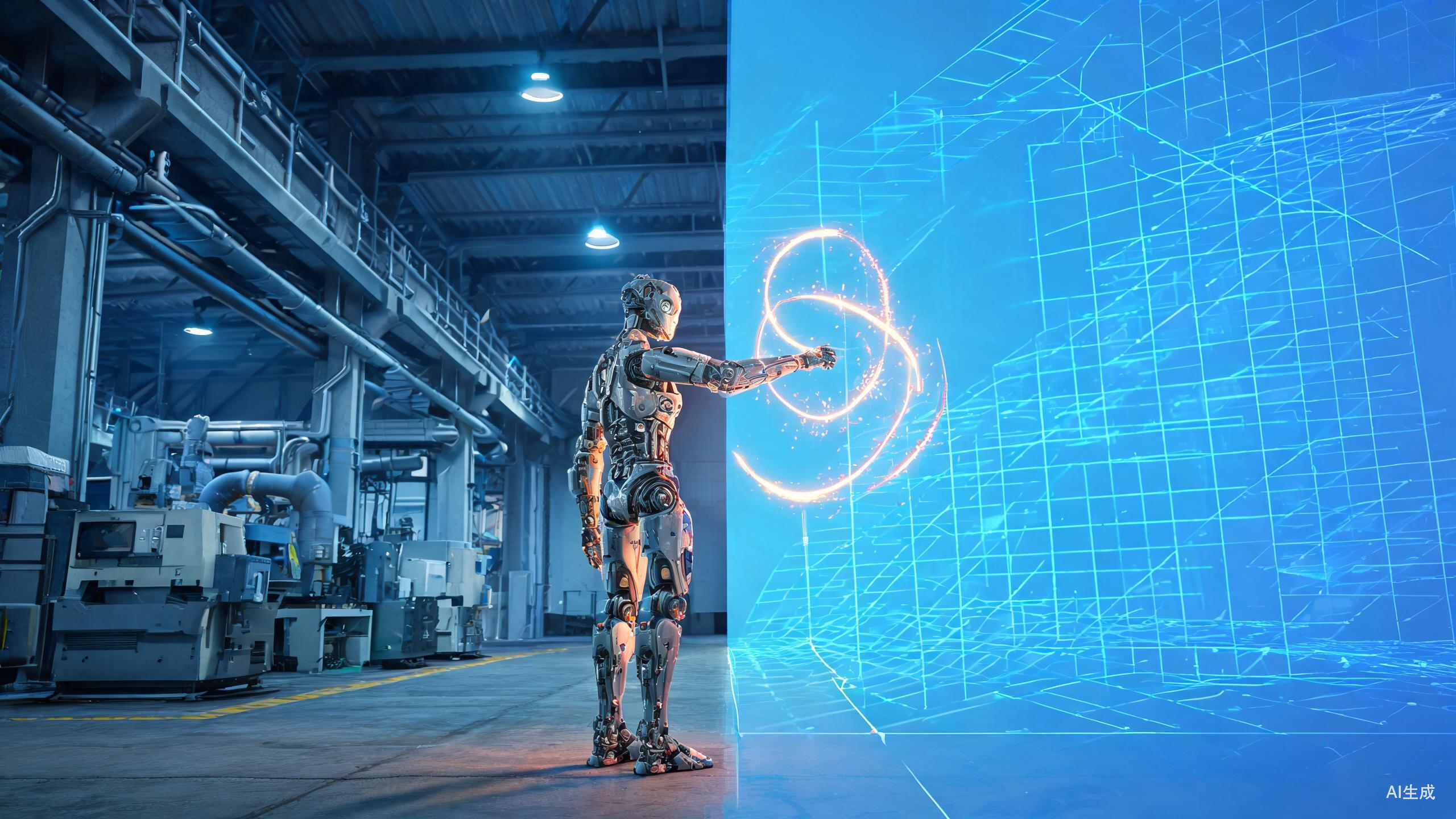
Unitree Technology, China's humanoid robotics star, has anchored its IPO pricing at approximately 42 billion yuan in market value—down from the 60 to 100 billion yuan range seen in private markets just months ago. On the same day, Google released Gemini Robotics 2, claiming its "robot brain" can adapt to any robot body. Both events point to the same core question: the hardware arms race in robotics has hit a ceiling; the brain is the endgame.
Despite 2026 being dubbed the "year of mass production" for robots by multiple brokerages, Unitree founder Wang Xingxing revealed in a Time magazine interview that only about 9% of his company's humanoid robots are used in industrial settings—the majority are sold to universities and peer companies for R&D purposes. He estimates the "ChatGPT moment" for robots is still 2 to 10 years away. GSR Ventures partner Zhu Xiaohu publicly exited the embodied intelligence sector this year, bluntly asking: "Who would spend over a hundred thousand yuan on a robot to replace a worker earning 5,000 yuan a month?"
Industry consensus is shifting from hardware competition to "world models"—the core architecture enabling robots to understand and reason about three-dimensional space. In 2026, nearly 80% of Chinese embodied intelligence companies are investing in world models, but face three formidable barriers: insufficient failure data, inadequate physical precision, and vague commercialization pathways. While Chinese companies account for 84.7% of global robot shipments with clear hardware advantages, the definition of world models remains firmly in overseas hands.
— Huxiu
📰 Canada's Culture of Risk Aversion Has Created an Economic Doom Loop
The Logic published a commentary arguing that Canada's deeply entrenched culture of risk aversion has created an economic doom loop: established companies do not want to invest, and talented people do not want to create new ones. The article contends that compared to the United States, Canada lacks a business environment that encourages risk-taking and innovation, directly contributing to sluggish tech industry growth and brain drain.
The analysis notes that Canada possesses world-class talent in fields such as artificial intelligence research, yet has failed to translate these scientific advantages into globally competitive technology enterprises. An economic structure overly dependent on natural resources and real estate, a conservative banking system, and a lack of a robust venture capital ecosystem together constitute structural barriers to the development of Canada's tech industry.
The commentary has sparked heated debate about Canada's technology innovation policy. Some argue that the government needs systemic reforms across tax incentives, immigration policy, and venture capital cultivation to break this cycle and unlock the true potential of Canada's technology sector.

📰 Trump Vows to Investigate EU Over Fining of US Tech Companies
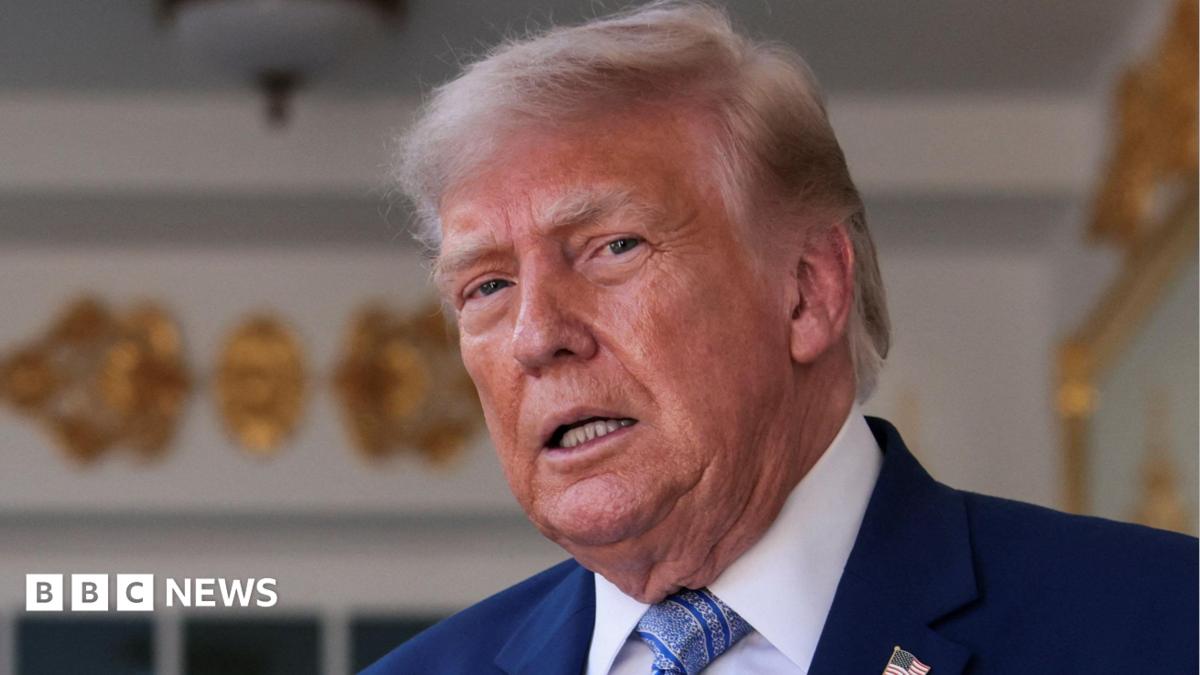
Former U.S. President Donald Trump has declared that the United States will launch an investigation into the European Union and threatened new tariffs over fines levied against major American tech companies. The move follows the European Commission's €890 million (approximately $1 billion) fine against Google for operating in a way that squeezed out competitors to its services. Trump posted on his Truth Social platform that the EU would pay a "very big price" for how it has treated Google, along with Apple, Meta, and Amazon.
The statement continues Trump's long-standing criticism of EU tech regulation. In recent years, the EU has launched a series of investigations and penalties against American tech giants under regulations such as the Digital Markets Act (DMA), which Washington views as discriminatory enforcement targeting U.S. companies. Trump's threats could further escalate trade tensions between the U.S. and Europe.
Analysts note that the EU's digital regulatory framework has become a global benchmark, with countries including the UK, Japan, and South Korea developing similar legislation modeled on the EU approach. The U.S.-EU regulatory tug-of-war over technology will profoundly shape the direction of global digital economy rules.
— BBC News
📰 Engineers Race to Save the Satellite Sent to Rescue NASA's Swift Mission
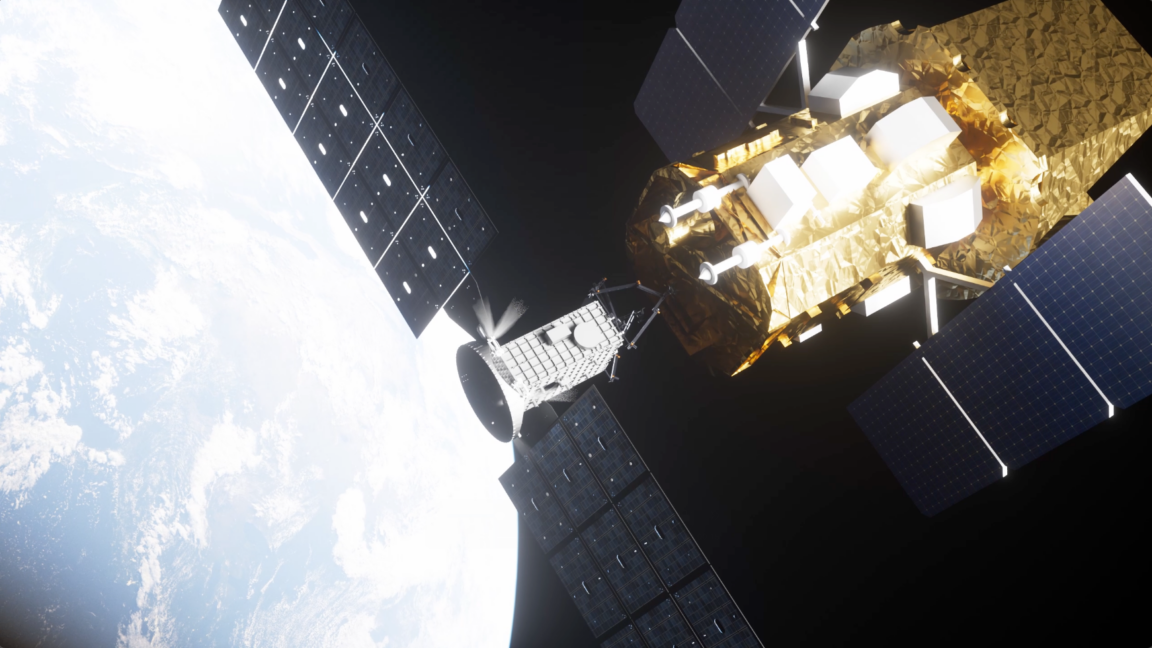
One week ago, more than 200 miles above Earth, a refrigerator-sized satellite suddenly spun out of control while en route to rescue NASA's $500 million Swift gamma-ray observatory. The spacecraft, named Link and built by Katalyst Space, suffered reaction wheel failures that caused it to rotate on multiple axes, rendering it unable to maintain a stable communication link—the rescue mission appeared on the brink of failure.
Katalyst's engineering team is now racing to develop a recovery plan. Company representative Lee stated: "We believe that a capture of Swift is very much in the cards." The Link spacecraft's objective is to approach and attach itself to the 20-plus-year-old Swift observatory, extending its scientific observation life. Since its launch in 2004, Swift has made multiple breakthrough discoveries in the study of gamma-ray bursts.
Engineers are recalibrating the attitude control system and adjusting approach strategies to salvage the mission. If successful, this would be the first-ever in-orbit satellite life extension mission performed by a private spacecraft. The rescue attempt could take place as early as late August. The incident also highlights both the technical challenges and opportunities in the commercial space on-orbit servicing sector.
More News
- AI Weekly | The AI 'Slowdown' Fight Splits Silicon Valley and Washington
- Global Express | September 16, 2026 Saudi Arabia Says Air Defenses Downed a Drone Near Mecca, Warns of 'Red Line'
- Asian Stocks Edge Up Ahead of Fed Decision; A-Share Tech Front-Runs, Yields Top 5%
- Tech Express | Sep 16, 2026 Apple's M5 Ultra Beats 96-Core Threadripper in Geekbench 7
- Sports Express | Sep 16, 2026 Five U.S. Sports Leagues Seek Lifetime Betting Bans for Those Who Threaten Athletes
Comments (0)
View More
 -41%
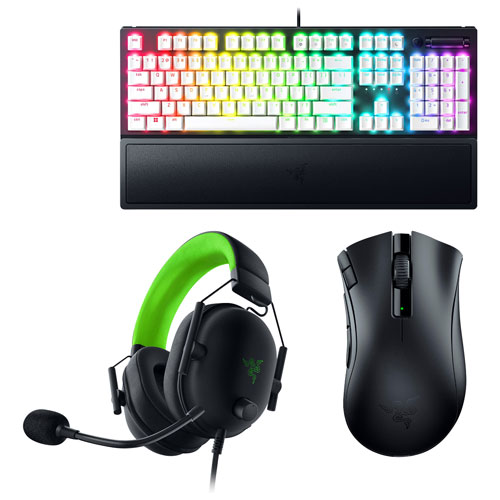
-41%Razer BlackWidow V3 Special Edition Gaming Bundle — Keyboard + Headset + Mouse! $239.97 CAD (41% Off)
 -42%
-42%Elmer's Slime Magical Liquid Activator — No Baking Soda Needed! $11.64 CAD (42% Off)
 -32%
-32%LEGO Technic Monster Jam ThunderROARus 42200 — Pull-Back Monster Truck! $23.97 CAD (31% Off)
 -31%
-31%Nalgene Sustain 32 oz Wide Mouth Bottle — Practically Indestructible! $15.98 CAD (31% Off)
 Global Express
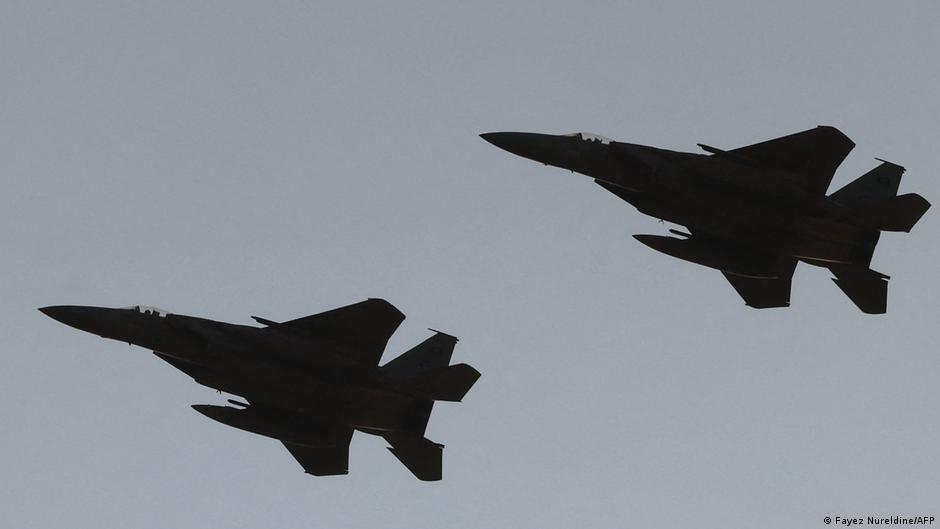
Global Express | September 16, 2026 Saudi Arabia Says Air Defenses Downed a Drone Near Mecca, Warns of 'Red Line'
 Tech Express
Tech Express | Sep 16, 2026 Apple's M5 Ultra Beats 96-Core Threadripper in Geekbench 7
-41%Razer BlackWidow V3 Special Edition Gaming Bundle — Keyboard + Headset + Mouse! $239.97 CAD (41% Off)
Best Buy
-42%Elmer's Slime Magical Liquid Activator — No Baking Soda Needed! $11.64 CAD (42% Off)
Amazon
-32%LEGO Technic Monster Jam ThunderROARus 42200 — Pull-Back Monster Truck! $23.97 CAD (31% Off)
Amazon
-31%Nalgene Sustain 32 oz Wide Mouth Bottle — Practically Indestructible! $15.98 CAD (31% Off)
Amazon
Global ExpressGlobal Express | September 16, 2026 Saudi Arabia Says Air Defenses Downed a Drone Near Mecca, Warns of 'Red Line'
Tech Express