Finance Morning | August 21, 2026 – Alibaba Reports Earnings, Shares Slip in Pre-Market
Asian markets mostly rose on Aug 21: Hang Seng +2.02%, KOSPI +0.88%, Taiwan +1.13%, Shanghai +0.28%, Nikkei -0.30%. Alibaba reported earnings (pre-market slip); ZTE H1 net profit fell 45.57%; Xiaomi recalled 390k+ SU7 units; HKEX IPO overhaul effective immediately; gold broke $4,550; Wall Street fell sharply Thursday.
📊 Asia Market Snapshot
| Index | Close | Change | Change % |
|---|---|---|---|
| Shanghai Composite | 3905.20 | +10.78 | +0.28% |
| Shenzhen Component | 14094.17 | +203.97 | +1.47% |
| ChiNext | 3545.58 | +49.99 | +1.43% |
| Hang Seng | 26009.46 | +514.36 | +2.02% |
| Nikkei 225 | 66016.36 | -200.43 | -0.30% |
| KOSPI | 6912.95 | +60.37 | +0.88% |
| Taiwan Weighted | 45224.29 | +504.89 | +1.13% |
Asian markets mostly closed higher on Thursday (Aug 20): China's A-shares rose across the board, with the Shanghai Composite gaining 0.28% to hold above 3,900; Hong Kong's Hang Seng jumped 514 points, or 2.02%, leading the region; South Korea's KOSPI rebounded 0.88%; Taiwan's Weighted index added 1.13%. Japan lagged, with the Nikkei 225 slipping 0.30% and posting a sharp weekly decline.
1. Alibaba Reports Earnings; Shares Slip in Pre-Market
Alibaba released its latest quarterly results on August 21. The company continued to ramp up spending on artificial intelligence, keeping capital expenditure elevated, and investor concerns over the payback period for AI investments weighed on sentiment — shares fell in US pre-market trading. Market watchers note Alibaba is rebalancing its growth path by curbing non-core spending and doubling down on AI.
In previous quarters, Alibaba's cloud and AI-related revenue grew at a solid clip, but margins remain under pressure from heavy investment. Analysts say Alibaba is betting bigger on AI than Tencent, and near-term profit drag is a deliberate choice. The key question is whether AI commercialization translates into meaningful revenue growth in coming quarters — the core metric investors will watch.
2. ZTE First-Half Net Profit Falls 45.57%
ZTE disclosed its 2026 interim results on August 21, with net profit down 45.57% year over year and revenue also declining noticeably. The company cited intensifying competition and softening demand in some business lines, with its traditional carrier network business growing weakly and dragging overall profitability.
ZTE said it will stay focused on its "connectivity + computing power" strategy, expanding into servers, storage and AI infrastructure to offset pressure in legacy businesses. Analysts believe whether ZTE can open a second growth curve via the AI computing wave is the key variable for its valuation recovery; order momentum in coming quarters deserves attention.
3. Xiaomi Recalls More Than 390,000 SU7 Vehicles
Xiaomi announced on August 21 a recall of more than 390,000 SU7 vehicles — one of the largest since the model's launch. The recall relates to potential safety issues in some vehicles; the company will offer free fixes via OTA updates and in-person inspections, with the official plan to be announced. The move drew widespread attention.
Industry observers say a large-scale recall may weigh on brand sentiment and delivery pace in the short term, but proactive recall also reflects a responsible approach to safety. Xiaomi's HK-listed shares saw some impact during the day, and investors are watching the recall cost, progress, and any effect on second-half delivery targets.
4. HKEX Overhauls IPO Rules, Effective Immediately
Hong Kong Exchanges and Clearing announced major IPO rule changes on August 21, effective immediately. The adjustments cover listing review processes, pricing mechanisms and other aspects, aiming to boost the efficiency and attractiveness of Hong Kong's equity capital market and reduce the time and uncertainty for companies seeking listings.
Industry players say the reform will make Hong Kong more appealing to innovative companies from mainland China and globally, particularly in tech and biotech, prompting more firms to revisit listing plans in the city. Market participants expect the new rules to revive the primary market, improve listing pace and secondary-market liquidity, and cement Hong Kong's status as an international fundraising hub.
5. Asian Markets Soften; Nikkei Down 4.4% for the Week
Asian equities came under pressure this week, with the Nikkei 225 down 4.4% — one of the steepest weekly declines in recent months. Tokyo stocks fell more than 900 points intraday on Friday, tracking an overnight slide on Wall Street, led by semiconductor and heavyweight tech names. Korea and Taiwan also saw heightened volatility amid rising US yields and higher oil prices.
Analysts say global funds are rotating out of high-valuation tech stocks, and yen moves are adding to foreign outflows from Japan. Still, some institutions remain constructive, arguing Asian fundamentals and the AI trend haven't reversed; the pullback is more about valuation digestion, and long-term investors may step in gradually.
6. KOSPI Rebounds Sharply After Circuit Breaker; Memory Chip Giants Surge
South Korean stocks went through violent swings this week. On Wednesday (Aug 19), the KOSPI plunged nearly 6% intraday, triggering a circuit breaker, before rebounding sharply on regulatory signals and bargain hunting — SK Hynix, Samsung Electronics and other memory chip giants surged, with some names up more than 11% in a single day. The KOSPI added 0.88% on Friday, extending the recovery.
The turmoil reflects a mix of "dollar tides" and crowded AI chip positioning. Korean regulators have signaled more measures to stabilize markets and tighten limits on leveraged ETFs. Analysts say Korea's market is highly sensitive to memory chip cycle conditions; whether AI demand sustains earnings expectations will decide if the rebound continues.
7. UBS Upgrades Taiwan Stock Market
UBS on August 21 upgraded its rating on Taiwan's stock market while keeping its emerging-market target at 1,920. The bank said Taiwan's pivotal position in the AI supply chain will keep benefiting from expanding global computing demand, and earnings expectations for semiconductor and hardware makers are likely to be revised higher, leaving room for valuation gains.
The report noted Taiwan's Weighted index has been strong this year, with TSMC and other leaders hitting new highs on AI demand. UBS also cautioned that a further rise in US yields or cooling AI capex expectations could bring volatility, advising investors to weigh earnings delivery against valuations.
8. PBOC, Finance Ministry Signal Major Policy Moves
China's central bank and finance ministry issued significant policy signals on August 21. The Ministry of Finance said it is studying new fiscal-financial coordination policies and measures, expected to be rolled out in the second half of the year, to further support the real economy and capital markets. The PBOC has meanwhile conducted open-market operations for days to keep liquidity ample.
Markets broadly interpret the signals as a more active push for fiscal-monetary coordination, with incremental policy likely targeting domestic demand, property stabilization and tech innovation. Analysts expect risk appetite to gradually improve as policy rolls out faster, giving A-shares and Hong Kong stocks more policy support in H2.
9. Gold Breaks $4,550; "The More Intervention, The Higher It Goes"
Gold extended its rally this week, with spot prices breaking above $4,550 an ounce to hit fresh highs. Market participants describe the move as "the more intervention, the higher it goes" — despite repeated risk warnings and cooling measures from regulators, safe-haven demand and global central-bank buying kept pushing prices up, and precious-metals stocks also led gains in A-shares.
Analysts attribute gold's strength to geopolitical uncertainty, expanding US debt and global de-dollarization trends underpinning its long-term allocation logic. Institutions caution that short-term gains are large and chasing risks are rising, but if real yields and the dollar weaken, gold still has upside room; investors may look for pullback entry points.
10. Wall Street's Three Major Indexes Fall Sharply on Thursday
New York's three major stock indexes fell sharply on August 20, pressured by rising oil prices and higher Treasury yields. Walmart's post-earnings plunge dragged the retail sector, AI stocks kept correcting, and sentiment turned cautious. Global equities were on track for their worst weekly loss since mid-July.
The US decline spilled over to Asia, with regional markets opening lower on Friday. Analysts say the core tension is high-valuation tech stocks versus a high-rate environment; if inflation and jobs data show signs of easing, risk assets may stabilize, otherwise volatility could persist.
More News
- Immigration | October 5, 2026 Carney Signals Canada May Resume Immigration Growth as Next Levels Plan Looms
- Global Express | October 5, 2026: Japan Summons US Ambassador Over Okinawa Killing Case
- Finance Morning | Asia Stocks Rally Broadly as Hang Seng Reclaims 24,000; Nikkei Tops 70,000
- Tech Express | October 5, 2026 — Google Pauses Open Source Bug Bounty Program After Surge in AI Submissions
- Sports Express | October 5, 2026 - Braves rally past Dodgers 3-2 to even NLDS
Comments (0)
View More
 -38%
-38%LEGO Lucky Cat 40813 — Waving Paw Build, 280 Pieces! $25.00 CAD (37% Off)
 -45%
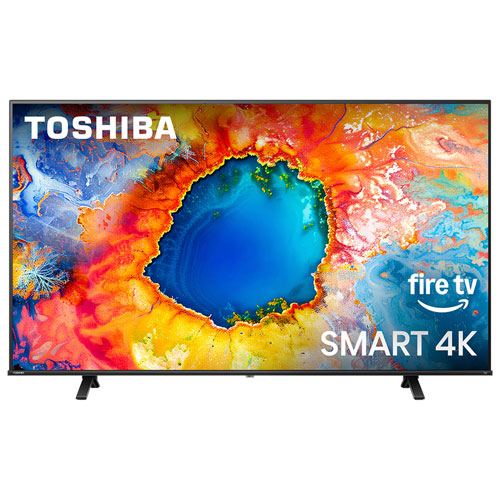
-45%Toshiba 50" C350NC 4K UHD Fire TV — Dolby Vision, Dolby Atmos & Full Array Local Dimming! $349.99 CAD (44% Off)
 -38%
-38%Amazon Smart Air Quality Monitor — Keeps Tabs on Temp, Humidity, PM2.5, VOCs & CO at Once! $55.99 CAD (38% Off)
 -41%
-41%Samsung Odyssey OLED G9 49" Gaming Monitor — 5K OLED 240Hz UltraWide! $1199.99 CAD (40% Off)
 Tech Express
Tech Express | October 5, 2026 — Google Pauses Open Source Bug Bounty Program After Surge in AI Submissions
 Immigration
Immigration | October 5, 2026 Carney Signals Canada May Resume Immigration Growth as Next Levels Plan Looms
-38%LEGO Lucky Cat 40813 — Waving Paw Build, 280 Pieces! $25.00 CAD (37% Off)
Amazon
-45%Toshiba 50" C350NC 4K UHD Fire TV — Dolby Vision, Dolby Atmos & Full Array Local Dimming! $349.99 CAD (44% Off)
Best Buy
-38%Amazon Smart Air Quality Monitor — Keeps Tabs on Temp, Humidity, PM2.5, VOCs & CO at Once! $55.99 CAD (38% Off)
Amazon
-41%Samsung Odyssey OLED G9 49" Gaming Monitor — 5K OLED 240Hz UltraWide! $1199.99 CAD (40% Off)
Amazon
Tech ExpressTech Express | October 5, 2026 — Google Pauses Open Source Bug Bounty Program After Surge in AI Submissions
Immigration