
Tech Express | July 10, 2026 OpenAI Launches GPT-5.6 Model Family
Tech Express for July 10, 2026: OpenAI launches GPT-5.6 model family (Sol, Terra, Luna) with Codex integrated into ChatGPT; Apple and Broadcom sign $30B+ US chip deal; Micron expands US investment to $250B. Xiaomi unveils Sky Nomad sub-brand with N90 EREV SUV. World's largest solar-CSP hybrid plant goes live in China's Gobi Desert. Canada's planned data centre capacity could surge to 20 GW. Anthropic adds Reflect feature to Claude. Accenture confirms 35GB data breach.
Tech Express | July 10, 2026 OpenAI Launches GPT-5.6 Model Family
📰 OpenAI GPT-5.6 Goes Live: Sol, Terra, Luna Models + Codex Merges Into ChatGPT
On July 9, OpenAI officially launched its highly anticipated GPT-5.6 model family to the public. The release includes three variants: Sol as the flagship workhorse, Terra for intermediate everyday use, and Luna as the budget-friendly entry option. CEO Sam Altman told CNBC that Sol achieves 54% better token efficiency on coding tasks compared to previous generations, calling it the most cost-effective frontier model yet.
In a parallel move, OpenAI merged its Codex coding assistant directly into the ChatGPT desktop app. This is not just an added entry point—Codex has become part of ChatGPT, with the app icon itself updated to reflect the unified experience. The merger signals OpenAI's ambition to build a single AI workspace spanning conversation, coding, and productivity.
OpenAI also launched "ChatGPT Work," extending AI capabilities into document processing, spreadsheets, presentations, and web app development. GPT-5.6 has been dubbed the company's "strongest cybersecurity model yet," achieving frontier performance with significantly fewer tokens.
📰 Apple and Broadcom Sign $30 Billion+ US Chip Manufacturing Deal
Apple announced on July 8 a new multiyear chip supply agreement with Broadcom, expected to exceed $30 billion. The deal will drive the production of more than 15 billion chips on US soil and includes Broadcom's $1.5 billion investment to expand its factory in Fort Collins, Colorado.
At the heart of the agreement is a radio-frequency component called FBAR filters, which enable wireless communication in Apple devices. Apple has been collaborating with Broadcom on this technology since at least 2023. Apple CEO Tim Cook framed the partnership as "deepening investments in US-based suppliers."
Cook also expressed gratitude to the Trump administration for supporting such projects. The deal represents a significant milestone in Apple's ongoing push to reshore its semiconductor supply chain, aligning with the broader wave of US chip manufacturing renaissance.

📰 Micron Expands US Chip Investment Plan to $250 Billion
Micron Technology unveiled an ambitious US manufacturing strategy on July 9, planning to invest more than $250 billion in the United States through 2035, including up to $3 billion specifically to strengthen the domestic semiconductor supply chain. The move is driven by surging demand for memory chips in the AI era and continued pressure from the Trump administration to boost domestic chip production.
CEO Sanjay Mehrotra noted that AI workloads are driving unprecedented demand for High Bandwidth Memory (HBM) and advanced NAND flash. The company's new fabs in Idaho and New York will be key to meeting this demand. The investment marks a significant increase from previous plans, reflecting the semiconductor industry's conviction in long-term AI infrastructure growth.
This expansion comes alongside industry moves such as Kioxia and Sandisk starting mass production of 10th-generation 3D flash memory at their Kitakami plant in Japan, signaling a broader wave of capacity expansion across the global memory chip sector.

📰 Xiaomi Unveils "Sky Nomad" Sub-Brand and N90 Extended-Range SUV
Xiaomi EV officially confirmed on July 8 that its second product series will carry the name "Sky Nomad." This marks another major automotive move for the tech giant following its successful SU7/YU7 sedan lineup. Founder Lei Jun drew a clear distinction: the SU7/YU7 series is a "driver's car," while Sky Nomad is positioned as an "intelligent, transformable large-space SUV" emphasizing the mobile living space concept.
The first model, the N90, features an extended-range electric powertrain with a battery pack exceeding 70 kWh, delivering 400-500 km of pure electric range and over 1,500 km combined. Expected to reach showrooms in the second half of 2026, the N90 is anticipated to start around 200,000 yuan ($27,500). Xiaomi also revealed the exterior silhouette of the SUV and teased its versatile interior design.
The Sky Nomad brand will target the extended-range large SUV market, directly competing with Li Auto and other Chinese EV makers. After the SU7 surpassed 10,000 monthly deliveries, Xiaomi is accelerating its expansion into the even larger SUV market.

— CnEVPost
📰 World's Largest Solar-CSP Hybrid Plant Goes Live in China's Gobi Desert
China Three Gorges Corporation has put the world's largest combined photovoltaic and concentrated solar power (CSP) hybrid project into commercial trial operation in the Hami region of Xinjiang's Gobi Desert. The 1 GW facility's headline innovation: it stores energy in molten salt rather than lithium batteries, enabling up to eight hours of power generation after sunset.
Traditional solar farms stop producing when the sun goes down, requiring lithium battery storage to maintain supply. The Hami project instead uses arrays of mirrors to focus sunlight onto a central receiver tower, heating molten salt to 565°C. The stored thermal energy is then released at night to drive steam turbines. This approach is not only cheaper but avoids the lifespan and recycling challenges of lithium batteries.
The successful commissioning of this project underscores China's global leadership in solar thermal power and provides a valuable reference for deploying PV-CSP hybrid systems in arid regions worldwide.

— Electrek
📰 Canada's Planned Data Centre Capacity Could Surge to 20 GW
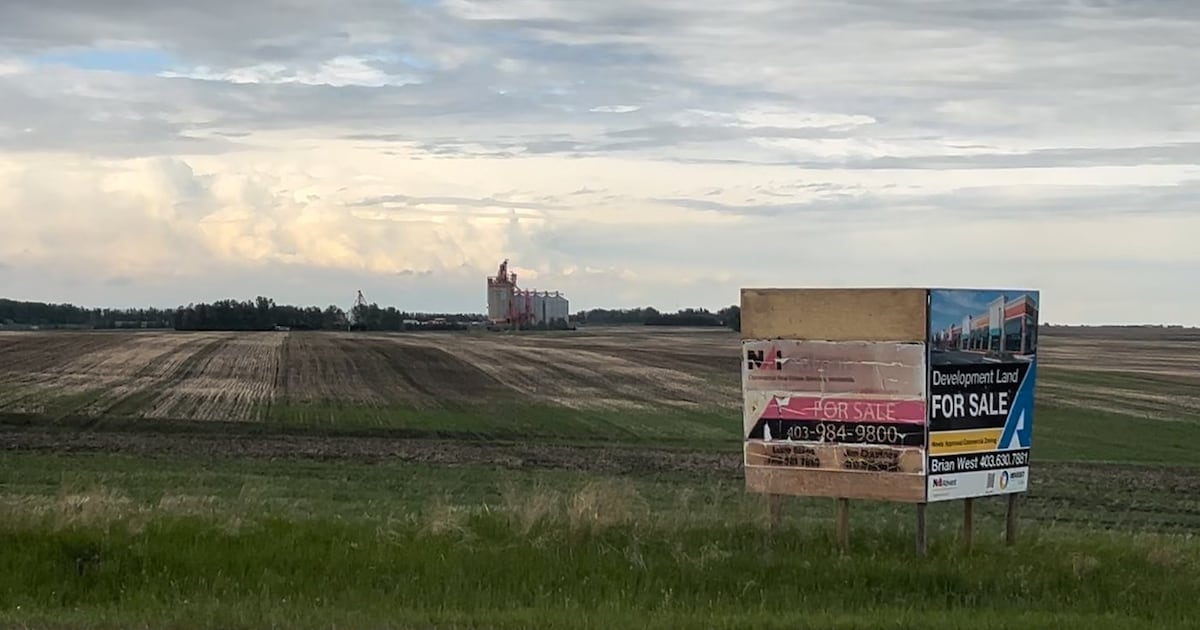
A government document prepared for Canada's federal AI minister reveals that planned data centre capacity across the country could soar to approximately 20 GW. The figure reflects how the global AI infrastructure investment boom is accelerating into Canada—Meta's recent announcement of a roughly $10 billion investment for its first Canadian data centre in Alberta is just one example of a wave of hyperscale projects.
The document notes that Alberta is emerging as a particularly attractive destination, thanks to abundant natural gas resources and relatively streamlined power approval processes. Beyond Meta's project, Synapse Real Estate Corp. is planning a data centre complex with 1.4 GW of natural gas-fired power generation in the Olds area.
The Canadian government is actively leveraging this momentum, with the AI minister leading efforts to pitch international investors on Canada's AI ecosystem. However, the challenges of power supply and environmental impact from massive data centres have also sparked discussions about sustainability.
— CTV News
📰 Anthropic Adds "Reflect" Feature to Claude for Tracking AI Usage
On the same day OpenAI launched GPT-5.6, Anthropic quietly rolled out a new feature in Claude called "Reflect." Similar to Spotify Wrapped, Reflect lets users look back on their Claude usage over the past 1, 3, 6, or 12 months, including key topics, usage patterns, and task types. Anthropic plans to add a time-spent view in the near future.
Anthropic also added "write tools" to Claude's Microsoft 365 connector—Claude can now not only search your emails and documents but also draft emails, manage calendar events, and update OneDrive and SharePoint files. This transforms Claude from a read-only assistant into an AI agent capable of executing tasks.
Additional features include monthly recaps, focus mode settings, break reminders, and quiet hours. TechCrunch noted that the Reflect feature is quietly "selling you on AI" by showing exactly how indispensable Claude has become in your daily workflow.

📰 Accenture Confirms Breach After Hacker Steals 35GB of Source Code and Keys
Global consulting giant Accenture confirmed on July 9 that it had suffered a network intrusion, after a hacker using the handle "888" posted on a cybercrime forum claiming to have stolen approximately 35GB of data, including source code, RSA keys, SSH keys, and Azure Personal Access Tokens.
An Accenture spokesperson stated that an internal investigation is underway and emphasized that "no client data or operational systems were affected." However, security experts warn that leaked source code and keys could be leveraged for supply chain attacks or lateral movement, with risks extending far beyond the 35GB itself.
This incident follows the June breach at US insurer AssuranceAmerica, which exposed data on nearly 7 million drivers. Cybersecurity firms also reported a new "EvilTokens" phishing campaign that decrypts malicious pages directly inside victims' browsers, evading traditional email security detection.

More News
- Finance Evening | Anthropic Files for Nasdaq IPO as AI Capital Frenzy Meets Bubble Worries
- Maple Express Evening | October 26, 2026: Vehicle found in Scarborough child abduction case, three children still missing
- Maple Express | October 26, 2026: Ford says trade war is hurting both countries
- Immigration | October 26, 2026 Express Entry's new scoring takes effect November 3: high-wage job offers worth up to 100 points
- Global Express | October 26, 2026 - Serbia's Vucic Concedes Defeat, Ending 14 Years in Power
Comments (0)
View More
 -41%
-41%TP-Link UB500 Plus USB Bluetooth 5.3 Adapter — External Antenna, Long Range! $14.97 CAD (40% Off)
 -62%
-62%Pampers Complete Clean Baby Wipes, 216 Count — Alcohol-Free & Hypoallergenic, 62% Off! $8.97 CAD
 -10%
-10%ASUS ZenScreen Duo MB14FCD — Two 14" Screens in One Portable Monitor! $449.99 CAD (10% Off)
 -32%
-32%Ben's 30% DEET Insect Repellent, 4-Pack — CDC-Recommended Strength, 8+ Hours! $20.55 CAD (31% Off)
 Finance Evening
Finance Evening | Anthropic Files for Nasdaq IPO as AI Capital Frenzy Meets Bubble Worries
 Finance Morning
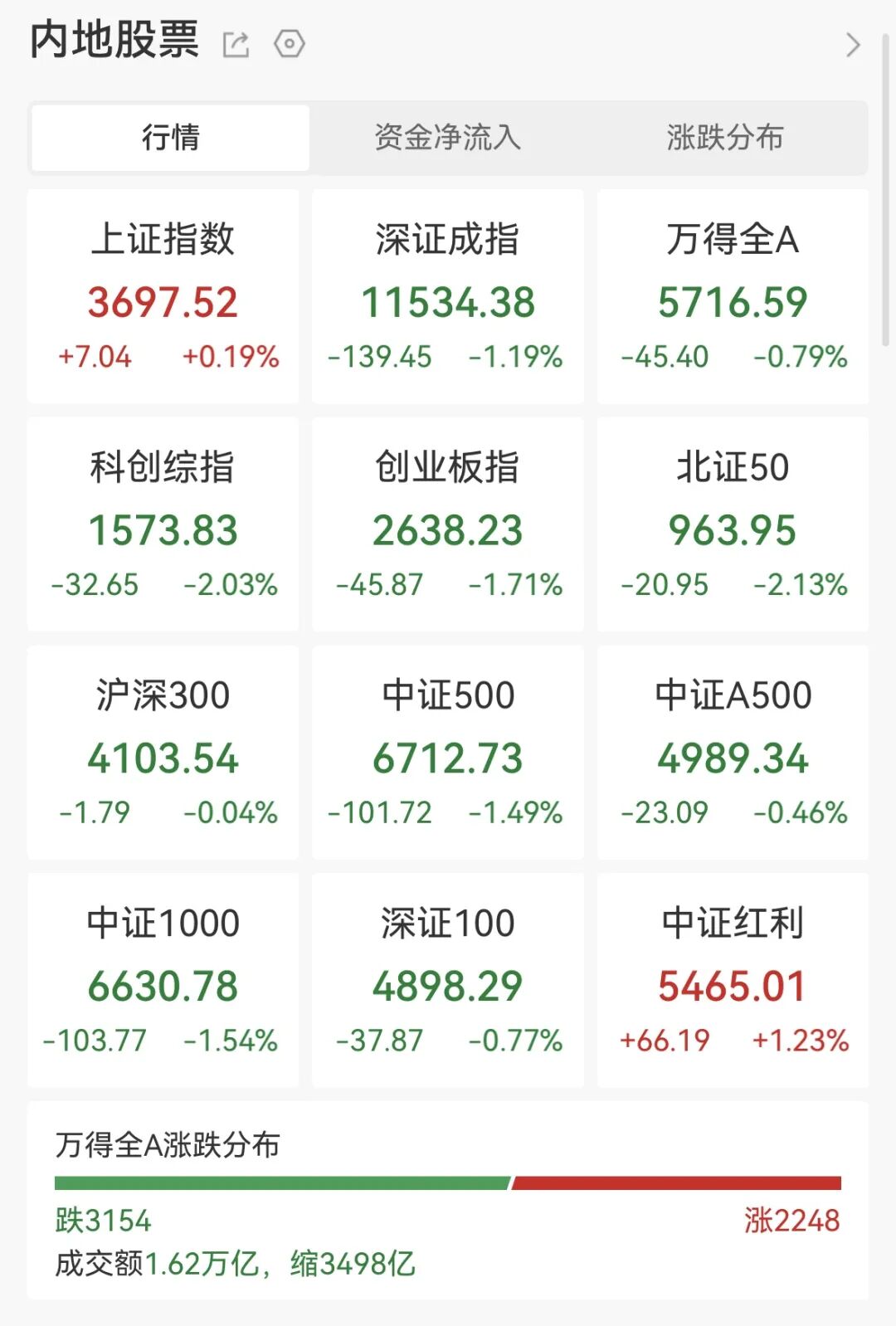
Finance Morning | October 26, 2026 — Shanghai Edges Up 0.19% as Banks and Oil Lead, Asia Mostly Lower
-41%TP-Link UB500 Plus USB Bluetooth 5.3 Adapter — External Antenna, Long Range! $14.97 CAD (40% Off)
Amazon
-62%Pampers Complete Clean Baby Wipes, 216 Count — Alcohol-Free & Hypoallergenic, 62% Off! $8.97 CAD
Amazon
-10%ASUS ZenScreen Duo MB14FCD — Two 14" Screens in One Portable Monitor! $449.99 CAD (10% Off)
Amazon
-32%Ben's 30% DEET Insect Repellent, 4-Pack — CDC-Recommended Strength, 8+ Hours! $20.55 CAD (31% Off)
Amazon
Finance EveningFinance Evening | Anthropic Files for Nasdaq IPO as AI Capital Frenzy Meets Bubble Worries
Finance Morning