
Global Express | August 4, 2026 Iran Threatens US Warships as Hormuz Tensions Spike
Iran threatens US warships in Hormuz as cargo ship struck; Ukrainian drones kill five in Russia, hitting Wildberries; Russian soldier kills four in Crimea; South Korea heatwave claims 16 lives; 25 US states sue over Trump tariffs; Europe drought halts Rhine/Danube shipping; Ceuta migrant crisis kills 72, EU divided; UK upgrades naval mine-sweeping with 3D modeling; US visa bond permanent, up to $20K for 50 countries.
1. Iran Threatens to Target US Warships as Hormuz Tensions Spike
Iran's military issued a stark warning on August 4, stating it would target any US warship attempting to alter approved shipping corridors or maintain a naval blockade in the Strait of Hormuz. The declaration marks a sharp escalation in the US-Iran standoff over the critical energy chokepoint, putting global shipping security under severe strain.
Meanwhile, a Greek cargo ship was struck by a projectile off the coast of Oman near the strait, confirmed by the UK Maritime Trade Operations Centre. Washington and Tehran issued contradictory claims about whether bilateral talks are underway—Trump insists negotiations have resumed, while Iran categorically denies any dialogue is taking place.
2. Ukrainian Drones Strike Deep Into Russia, Killing Five
Ukraine launched a massive drone assault on Russian territory, killing at least five people and setting fire to a warehouse belonging to Wildberries, Russia's largest online marketplace. Russian officials said the strikes hit industrial facilities and storage buildings across multiple regions, with air defenses intercepting some but not all incoming drones.
This marks one of the largest Ukrainian strikes deep inside Russia in recent weeks, signaling Kyiv's determination to bring the war to Russian soil. Analysts say the targeting of economic infrastructure aims to disrupt logistics and undermine Russia's ability to sustain its military operations, though it risks provoking an even fiercer response from Moscow.
3. Russian Soldier Kills Four in Crimea Shooting Rampage
A Russian soldier opened fire in occupied Crimea, killing four people—one fellow serviceman and three civilians—and wounding four others in what appears to have been a random shooting rampage. The attack occurred at a military facility before the soldier turned his weapon on nearby civilians, local sources reported.
Russian authorities have not disclosed a motive, but preliminary investigations suggest it was an act of indiscriminate violence. Crimea has been under heavy militarization since Russia's 2014 annexation, and the incident has raised troubling questions about troop discipline and mental health within Russian forces stationed in occupied territories.

4. South Korea Heatwave Claims 16 Lives, Seoul Under Maximum Alert
South Korea is reeling from an extreme heatwave that has claimed 16 lives and sent more than 2,000 people to hospital for heat-related illnesses since May, according to the Korea Disease Control and Prevention Agency. Seoul has issued its highest-level heat warning, urging residents to avoid outdoor activities as cooling centers open across the capital.
President Lee Jae-myung has called on authorities to step up support for vulnerable populations, including elderly residents living alone and outdoor workers. Weather agencies forecast the scorching temperatures will persist for at least another week, straining the country's power grid and threatening agricultural output in what is shaping up to be one of South Korea's worst summer heatwaves on record.

5. Cargo Ship Hit in Strait of Hormuz as US-Iran Talks Remain in Dispute
A cargo vessel was struck by a projectile overnight off the coast of Oman in the Strait of Hormuz, the UK Maritime Trade Operations Centre confirmed, urging ships in the area to exercise extreme caution. This is the latest in a string of attacks on commercial shipping in the strategically vital waterway.
The incident unfolded against a backdrop of deepening confusion over US-Iran diplomacy. Trump has repeatedly claimed negotiations with Tehran have restarted, while Iran's leadership flatly denies any talks are occurring. Analysts warn that the combination of military brinkmanship and an information war makes the situation dangerously volatile, with the strait—which carries roughly one-fifth of the world's oil shipments—facing unprecedented risk.

6. 25 Democratic-Led States Sue Trump Administration Over Sweeping Tariffs
A coalition of 25 Democratic-led states, spearheaded by New York, has filed a lawsuit at the US Court of International Trade challenging the Trump administration's broad tariff measures against 60 trading partners. The suit argues the tariffs—covering 99.4% of US imports—exceed the president's statutory authority and seeks an immediate suspension.
The legal challenge comes after Trump's "reciprocal" tariffs were struck down as unconstitutional, prompting the administration to invoke Section 122 of the Trade Act of 1974 to maintain the duties. Trade policy has become a central battleground in America's partisan warfare, and this sweeping lawsuit is likely to prolong uncertainty for global supply chains already battered by years of trade turbulence.

7. Europe's Rivers Run Dry in Worst Drought in Decades
Persistent heat and drought have pushed water levels on Europe's major rivers to historic lows. The Rhine at Cologne has dropped to record levels, severely disrupting barge shipments of coal, oil, and industrial goods. The Danube has all but dried up in its middle and lower stretches, with sandbars emerging in Romania, vessels running aground, and fishing communities facing ruin.
The drought is also threatening Europe's energy security. Romania has resorted to blasting riverbed rock to divert sufficient water for cooling its Danube-side nuclear reactor, while several French nuclear plants have been forced to reduce output due to elevated river temperatures and low flow. Climate experts warn that such extreme drought events are becoming alarmingly frequent, posing a fundamental challenge to Europe's economic infrastructure.

8. Ceuta Migrant Crisis Leaves 72 Dead, Deepens EU Divisions
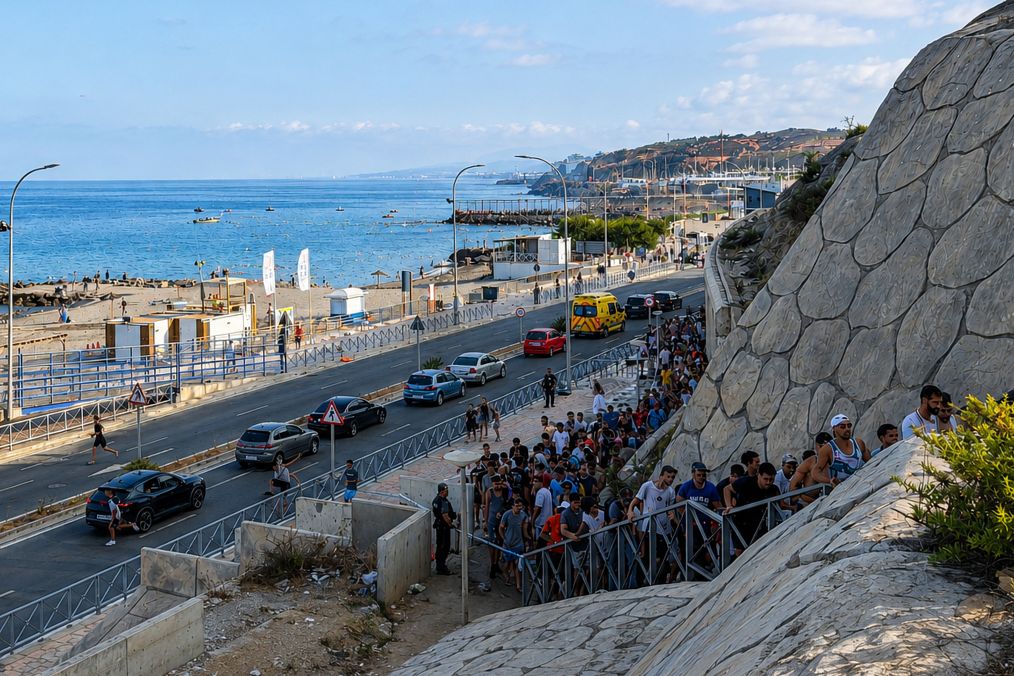
Around 50,000 migrants stormed the Spanish enclave of Ceuta from Morocco in recent days, triggering Europe's worst border crisis in years. Spain's latest tally reports at least 72 dead, with over 48,000 people already returned to Morocco. The crisis was sparked when a Spanish Supreme Court ruling was misinterpreted on social media as a guarantee that anyone reaching Ceuta by sea could stay in Spain legally.
The fallout has exposed deep fault lines in EU migration policy. Italy suspended its Schengen free-movement arrangement with Spain, France tightened border checks, and multiple northern European states accused Spain of failing to protect the bloc's external frontier. Spain's Prime Minister Sánchez denounced these reactions as "selfish" and "divisive." The EU has called an emergency video summit for August 4, but analysts doubt fundamental disagreements over burden-sharing can be resolved quickly.
9. UK Upgrades Naval Mine-Sweeping with Simulations and 3D Modeling
The UK's Defence Science and Technology Laboratory (Dstl) released a case report on August 4 detailing how it used war-gaming simulations and full-scale 3D-printed models to optimize the design of next-generation mine-countermeasure vessels. The approach, developed in collaboration with defense contractors and the Royal Navy, has significantly reduced procurement and development risks.
By combining desktop simulation exercises with physical 3D-printed prototypes, designers and naval personnel were able to assess ship layouts and operational workflows in a realistic environment before committing to construction. The Royal Navy says this innovative methodology will accelerate the deployment of autonomous mine-sweeping systems, strengthening the fleet's ability to counter modern digital naval mines.

10. US Makes Visa Bond Program Permanent, Up to $20,000 for 50 Countries
The US State Department has officially converted its B-1/B-2 tourist and business visa bond pilot program into a permanent policy, effective August 3. The program now covers 50 countries, primarily in Africa, with bond amounts ranging from $10,000 to $20,000—up from the pilot's $10,000–$15,000 range.
First introduced under the Trump administration, the program is designed to deter visa overstays through financial disincentives. Critics argue that upfront costs of up to $20,000 effectively bar ordinary citizens from 50 nations from traveling to the United States for business or tourism. The move is seen as a further hardening of America's immigration posture under the "America First" agenda.
More News
- Global Express | September 18, 2026 — Pakistan Mosque Attack Kills at Least 16
- Finance Morning: Asian Shares Mostly Higher as BOJ Hikes to 31-Year High, Yuan Tops 6.7
- Tech Express | September 18, 2026 — Claude Now Leads About a Quarter of Anthropic's AI Research Work
- Sports Express | September 18, 2026 Allen's five TDs power Bills past Lions in new stadium debut
- Maple Express | September 18, 2026: Carney tells EU Parliament Canada welcomes 'ambition' to be first associate member
Comments (0)
View More
 -56%
-56%JBL Vibe Beam True Wireless Earbuds — 32 Hours of Playtime! $44.98 CAD (55% Off)
 -34%
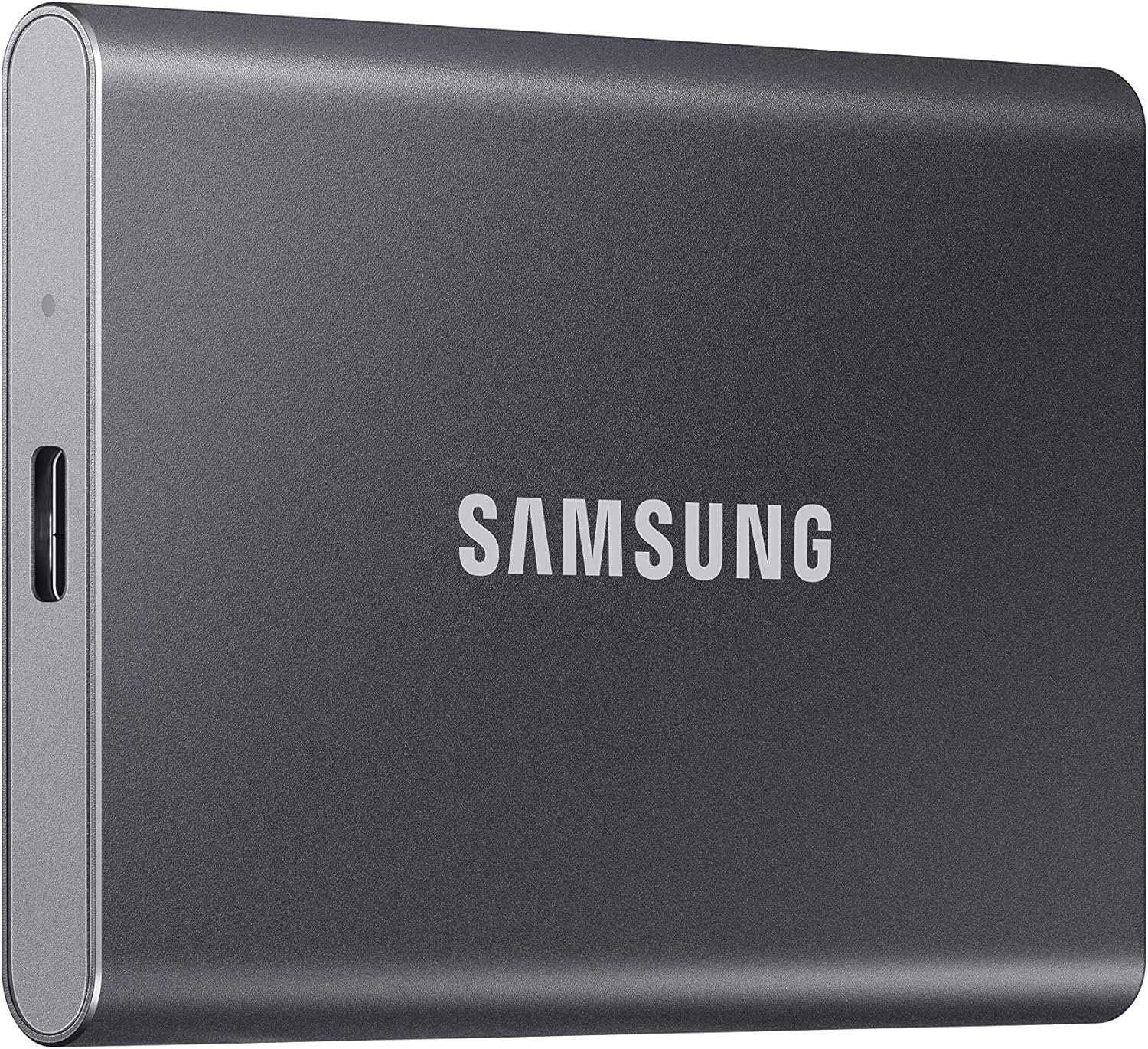
-34%Samsung T7 1TB Portable SSD — 1,050MB/s Read, Credit-Card Size! $249.99 CAD (33% Off)
 -51%
-51%Razer BlackShark V2 Pro Wireless PS5 Headset — 70-Hour Battery at Half Price! $152.16 CAD (50% Off)
 -38%
-38%GoPro MAX2 Waterproof 8K Spherical Camera — 360° 8K Video & Swappable Lenses! $429.99 CAD (38% Off)
 Sports Express
Sports Express | September 18, 2026 Allen's five TDs power Bills past Lions in new stadium debut
 Tech Express
Tech Express | September 18, 2026 — Claude Now Leads About a Quarter of Anthropic's AI Research Work
-56%JBL Vibe Beam True Wireless Earbuds — 32 Hours of Playtime! $44.98 CAD (55% Off)
Amazon
-34%Samsung T7 1TB Portable SSD — 1,050MB/s Read, Credit-Card Size! $249.99 CAD (33% Off)
Amazon
-51%Razer BlackShark V2 Pro Wireless PS5 Headset — 70-Hour Battery at Half Price! $152.16 CAD (50% Off)
Amazon
-38%GoPro MAX2 Waterproof 8K Spherical Camera — 360° 8K Video & Swappable Lenses! $429.99 CAD (38% Off)
Best Buy
Sports ExpressSports Express | September 18, 2026 Allen's five TDs power Bills past Lions in new stadium debut
Tech Express