
Maple Express | July 21, 2026 Trump Imposes 50% Tariffs on Canadian Goods as Wildfires Surpass 3 Million Hectares
On July 21, 2026, Donald Trump imposed 50% tariffs on Canadian goods, dramatically escalating the bilateral trade war, while Canadian wildfires surpassed 3 million hectares burned with nearly 1,000 active fires raging across the country. As premiers gather in P.E.I. to forge a united response, Canada faces a dual crisis of economic pressure and environmental disaster.
Maple Express | July 21, 2026 Trump Imposes 50% Tariffs on Canadian Goods as Wildfires Surpass 3 Million Hectares
📰 Trump Signs Executive Order Imposing 50% Tariffs on Canadian Goods
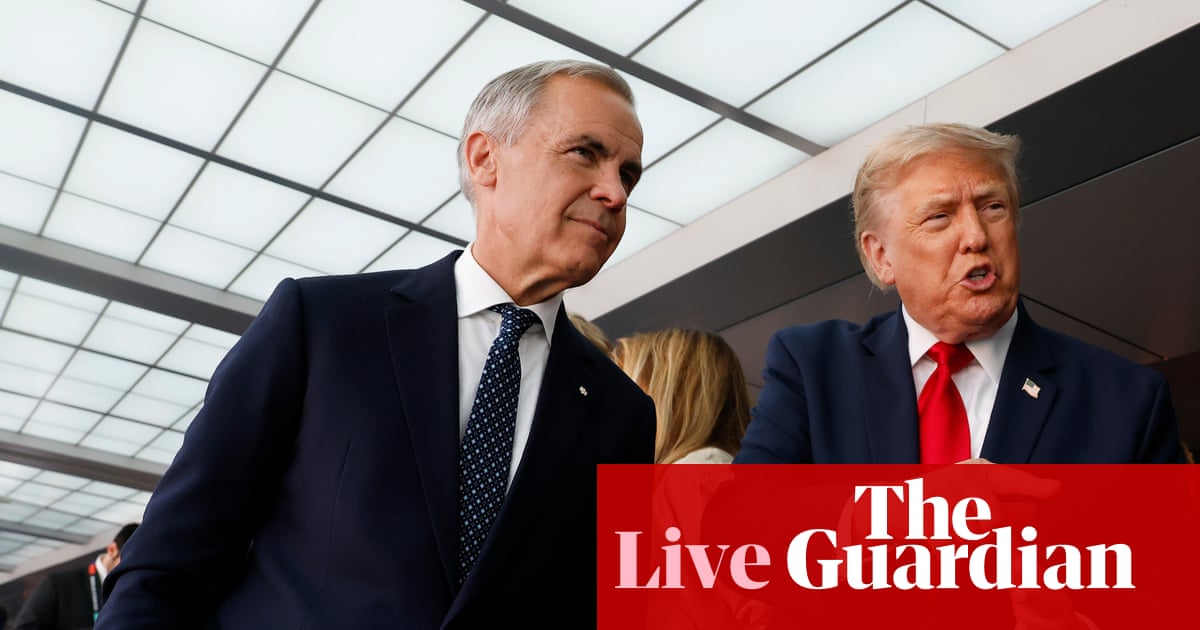
U.S. President Donald Trump signed three executive orders on Monday imposing 50% punitive tariffs on most Canadian imports, citing Section 338 of the Trade Act of 1934. The White House stated that Canada has engaged in "unfair discrimination" against American autos, alcohol, and dairy products. This marks the Trump administration's first invocation of a Great Depression-era trade law, which allows the president to levy tariffs up to 50% against nations deemed to discriminate against American goods.
Prime Minister Mark Carney is currently visiting Jeddah, Saudi Arabia, and has yet to issue a formal response. Analysts note that the move carries serious political and economic risks for Trump ahead of the November midterm elections. Scott Lincicome of the Cato Institute called the action "the nuclear option for Trump tariffs," warning it will inject "massive uncertainty" into the global economy.
Ottawa is expected to announce retaliatory measures within the next 48 hours. The Canadian Chamber of Commerce warned that 50% tariffs would severely impact Canada's auto parts, agricultural, and energy export sectors, potentially costing hundreds of thousands of jobs.
— NPR
📰 Canada's Premiers Gather in P.E.I., Trade and Tariffs Dominate Agenda
Canada's provincial and territorial premiers convened Tuesday in Charlottetown, Prince Edward Island, for a three-day summer meeting. With the U.S. having just announced 50% tariffs, eliminating interprovincial trade barriers and advancing major infrastructure projects have become the top agenda items. Premiers will discuss how to accelerate the removal of internal trade obstacles to cushion the Canadian economy against the tariff blow.
Ontario's premier stated this is a critical moment for Canada to "stand united and break down internal barriers." Alberta Premier Danielle Smith, Manitoba Premier Wab Kinew, and P.E.I. Premier Rob Lantz have all arrived at the venue. The meeting will also address energy corridor construction, critical mineral development, and labour mobility.
The federal government will brief premiers on the latest developments in negotiations with Washington. Analysts believe this meeting could produce a historic agreement among provinces to accelerate domestic free trade.

📰 Canada Wildfires Surpass 3 Million Hectares, Nearly 1,000 Fires Still Burning
According to the Canadian Interagency Forest Fire Centre, the 2026 wildfire season has burned over 3 million hectares of land, with 915 active fires currently burning nationwide and the majority classified as out of control. Extreme heat, persistent drought, and shifting wind patterns are accelerating fire spread. Environment and Climate Change Canada warns that the wildfire peak has not yet arrived.
Smoke from the fires is not only blanketing communities across Canada but also drifting southward on a massive scale, affecting the U.S. Midwest and Northeast. Yale Climate Connections reports that climate change has made extreme heat conditions up to five times more likely, significantly extending the fire season. Air quality alerts have been issued for Washington D.C., New York, Boston, and other major cities.
Thousands of residents have already been forced to evacuate their homes. The federal government has deployed the military to assist with firefighting efforts and launched emergency financial aid programs to help affected communities rebuild.

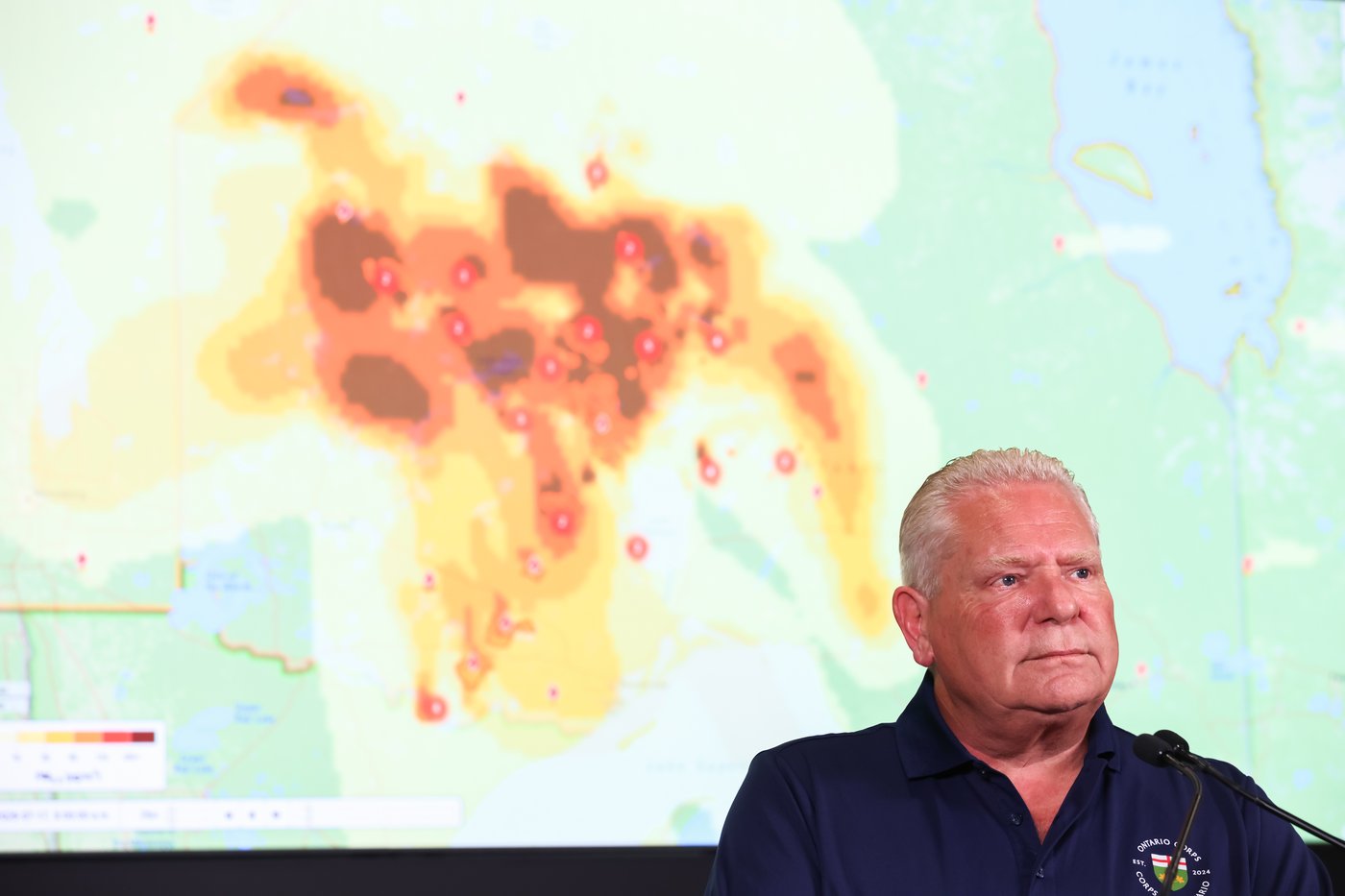
📰 Ontario Faces Worst Wildfire Season on Record
Ontario is experiencing its worst wildfire season in recorded history. Early estimates suggest that in the past 10 days alone, the area burned in the province has already exceeded the total seasonal historical average. The Thunder Bay region has been hit by an extreme heat wave, with temperatures soaring approximately 15 degrees Celsius above seasonal norms, accompanied by severe thunderstorms that created ideal conditions for rapid fire spread.
Ontario's Ministry of Natural Resources and Forestry reports over 150 active fires across the province, concentrated primarily in the northwest. Several First Nations communities have been forced to evacuate, with federal and provincial governments coordinating emergency response efforts. The Canadian Armed Forces have deployed over 500 soldiers to assist with firefighting and evacuation operations.
Meteorologists warn that hot, dry conditions will persist across northern Ontario for at least the next two weeks, making firefighting extremely challenging. The provincial government is urging residents to strictly observe fire bans and prepare emergency evacuation plans.
📰 Canada's Inflation Eases to 2.8%, Bank of Canada Holds Rate at 2.25%
Statistics Canada's latest data shows the Consumer Price Index rose 2.8% year-over-year in June, down from 3.2% in May, driven largely by lower gasoline prices. Core inflation, excluding gasoline, stood at 2.2%, approaching the central bank's 2% target. Food and housing costs remain the primary inflation drivers.
The Bank of Canada decided at its July 15 meeting to hold the benchmark interest rate at 2.25%, marking the sixth consecutive hold since October 2025. The governor noted that while the economy is showing signs of recovery, the U.S. tariff threat introduces new uncertainty, warranting a cautious monetary policy stance.
Economists widely predict the central bank will remain on hold for the remainder of 2026 as it assesses the real economic impact of tariffs. Canada's prime rate currently sits at 4.45%, with the best five-year fixed mortgage rates around 3.99%.

— CBC News
📰 Canada Secures Observer Status in Global Sixth-Generation Fighter Jet Program
Canada's Defence Minister confirmed that the country will formally obtain observer status this week in the Global Combat Air Programme (GCAP), led by the United Kingdom, Italy, and Japan. This makes Canada the first non-founding member of the sixth-generation fighter program, granting access to classified program data without any financial commitment, and allowing Canadian companies to compete for small contracts.
GCAP is currently the only funded sixth-generation fighter program in the Western world. Its strategic importance has grown further after the France-Germany-Spain Future Combat Air System (FCAS) stalled last month. Canada's move is widely seen as a significant step toward diversifying its defence supply chain away from dependence on the United States.
The Defence Minister emphasized that joining GCAP will not affect Canada's near-term decision on procuring next-generation fighter jets. Analysts describe it as a smart, future-oriented strategic investment for a country seeking to diversify its defence procurement.

📰 Montreal International Students Protest College Closure, Permit Suspension
Hundreds of international students held protests in Montreal on Monday, demanding the Quebec government resolve the academic crisis caused by the closure of their private college. The institution was shut down after the province refused to renew its operating permit, leaving hundreds of international students stranded—having paid tens of thousands of dollars in tuition with no path to complete their studies.
Protesters marched from the college entrance to the offices of Quebec's immigration ministry, demanding automatic transfer to other recognized institutions. Many students hail from India, the Philippines, and African countries. They warn that without a timely transfer, they face the expiration of their study permits and potential deportation.
Quebec's education ministry has not provided detailed reasons for denying the permit renewal. The federal immigration minister said the situation is being closely monitored and called on the Quebec government to provide prompt solutions to protect affected students' legal rights.

— CBC News
📰 B.C. Reports 40 Accidental Drowning Deaths Since May, National Prevention Week Issues Safety Warning
During National Drowning Prevention Week (July 19–25), the B.C. Coroners Service released alarming figures: 40 accidental drowning deaths have occurred across the province since May 1, a significant increase from the same period last year. B.C. Emergency Health Services and the Lifesaving Society are urging the public to exercise vigilance during summer water activities.
Data shows most drownings occur in rivers and lakes, with men accounting for the vast majority of victims. Alcohol and drugs are common contributing factors. The Lifesaving Society reminds the public that even experienced swimmers should wear life jackets in unfamiliar waters.
B.C. AdventureSmart also emphasized the importance of water safety education, advising people to check weather and water temperature conditions before heading out, avoid swimming alone, and ensure someone knows their whereabouts. With summer heat persisting, officials expect water activity levels to continue rising.

📰 Canada Crypto Week Returns to Toronto, Spotlighting Web3 and AI
Canada Crypto Week returns to Toronto from July 20 to 26 for its sixth edition, bringing together dozens of events covering cryptocurrency, digital assets, and artificial intelligence. Organizers say this year's event has attracted developers, investors, and regulatory representatives from around the world.
Key topics this year include the evolution of Canada's digital asset regulatory framework, trends in decentralized finance (DeFi), and the convergence of AI and blockchain technology. As Canada's fintech hub, Toronto has maintained a leading position in blockchain innovation in recent years.
The Bank of Canada's progress on digital currency research will also be a focal point of discussion. Industry observers note that amid escalating U.S.-Canada trade tensions, crypto assets may attract increased attention from Canadian investors as a decentralized store of value.

— ByDFi
📰 Trump Threatens Additional Tariffs on Canada Over Wildfire Smoke
Amid the escalating trade war, the Trump administration is exploring the possibility of imposing additional tariffs on Canada based on cross-border wildfire smoke impacts. A White House official said Sunday that Canadian wildfires have caused severe damage to U.S. air quality, and related economic losses are being assessed as potential grounds for a new round of tariffs.
This unprecedented argument has drawn skepticism from legal and trade experts. A University of Ottawa international trade law professor noted that using environmental disasters as justification for trade sanctions has no precedent in international trade law and could violate World Trade Organization rules. Canada's Environment Minister responded that climate change is a global issue requiring international cooperation, not tariff threats.
Senator Bernie Sanders criticized Trump's climate change denial and support for big oil companies, arguing these are the root causes worsening extreme wildfires. Canadian wildfire smoke has blanketed multiple major U.S. cities for days, with the skylines of Washington D.C. and New York City shrouded in thick haze.
More News
- Immigration | October 26, 2026 Express Entry's new scoring takes effect November 3: high-wage job offers worth up to 100 points
- Global Express | October 26, 2026 - Serbia's Vucic Concedes Defeat, Ending 14 Years in Power
- Finance Morning | October 26, 2026 — Shanghai Edges Up 0.19% as Banks and Oil Lead, Asia Mostly Lower
- Tech Express | October 26, 2026 - Huawei's Kirin Chips Return to Public View as Mate 90 Lights Up Landmarks
- Sports Express | October 26, 2026: Seahawks Hand Chiefs First Loss of Season
Comments (0)
View More
 -34%
-34%HUANUO Monitor & Laptop Mount — 16" Long Arm, Full Motion! $54.99 CAD (34% Off)
 -28%
-28%Dell 27 Plus QHD Monitor S2725DSM — 27-inch 1440p at 144Hz! $219.99 CAD (28% Off)
 -62%
-62%Pampers Complete Clean Baby Wipes, 216 Count — Alcohol-Free & Hypoallergenic, 62% Off! $8.97 CAD
 -25%
-25%LG MR26GA Magic Remote — Voice Control + Mouse Pointer for 2026 LG TVs! $52.83 CAD (25% Off)
 Immigration
Immigration | October 26, 2026 Express Entry's new scoring takes effect November 3: high-wage job offers worth up to 100 points
 Finance Morning
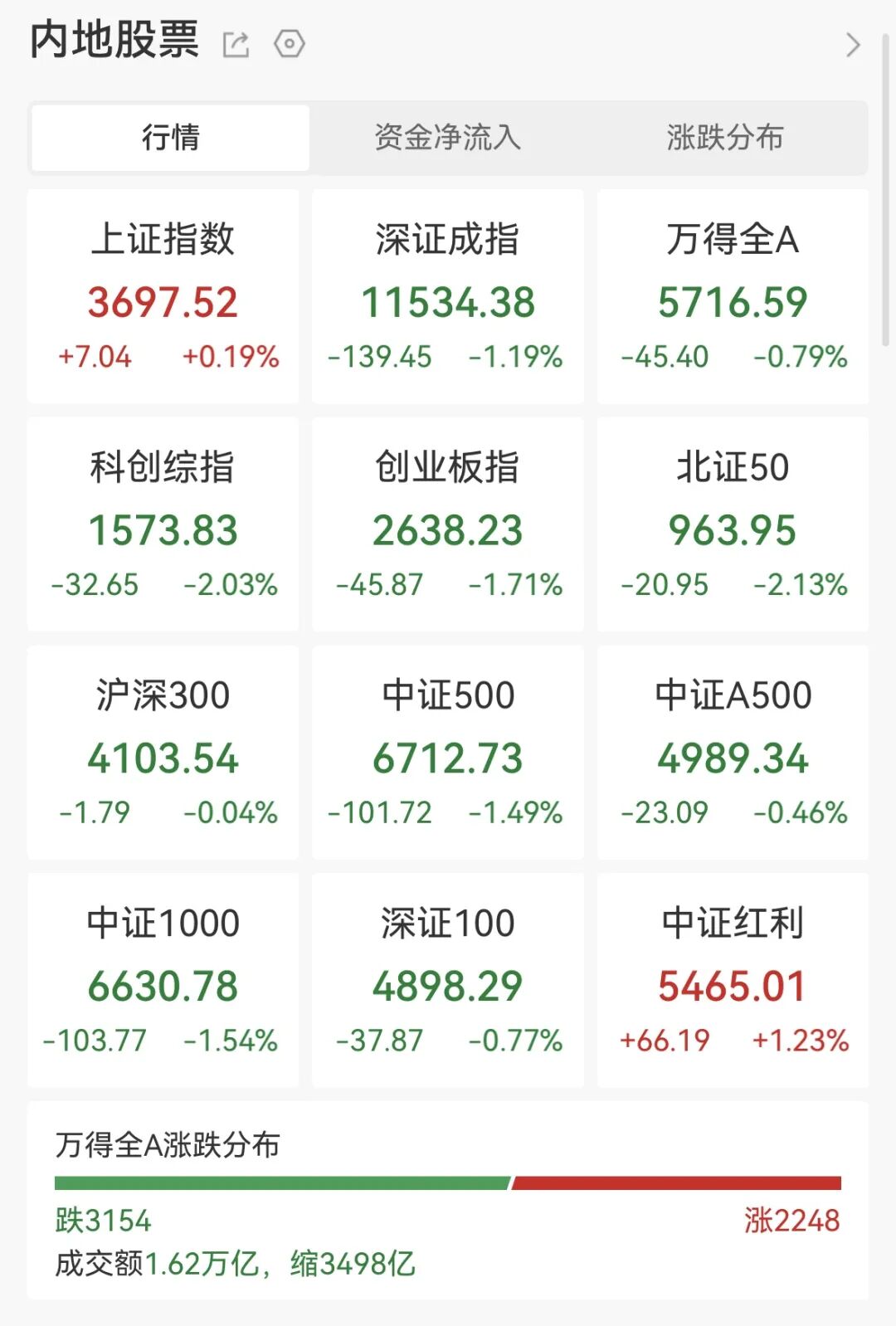
Finance Morning | October 26, 2026 — Shanghai Edges Up 0.19% as Banks and Oil Lead, Asia Mostly Lower
-34%HUANUO Monitor & Laptop Mount — 16" Long Arm, Full Motion! $54.99 CAD (34% Off)
Amazon
-28%Dell 27 Plus QHD Monitor S2725DSM — 27-inch 1440p at 144Hz! $219.99 CAD (28% Off)
Amazon
-62%Pampers Complete Clean Baby Wipes, 216 Count — Alcohol-Free & Hypoallergenic, 62% Off! $8.97 CAD
Amazon
-25%LG MR26GA Magic Remote — Voice Control + Mouse Pointer for 2026 LG TVs! $52.83 CAD (25% Off)
Amazon
ImmigrationImmigration | October 26, 2026 Express Entry's new scoring takes effect November 3: high-wage job offers worth up to 100 points
Finance Morning