Maple Express | October 13, 2026 Toronto mayoral race tightens as Bradford cuts Chow's lead to about 3.5 points
Maple Express: Bradford cuts Chow's lead to ~3.5 points in Toronto's mayoral race; a York Region family speaks at the sentencing of a father of three's killer; oil-driven heating bills soar; two charged after a deadly Scarborough crash; an inquest into a Toronto balcony death; a Richmond Hill ransomware negotiator arrested in the U.S.; a Mississauga stabbing arrest; northwestern Ontario adopts permanent daylight time; Alberta's separation vote opens; B.C.'s salmon farm debate.
1. Toronto mayoral race tightens: Bradford cuts Chow's lead to about 3.5 points
Source: CP24
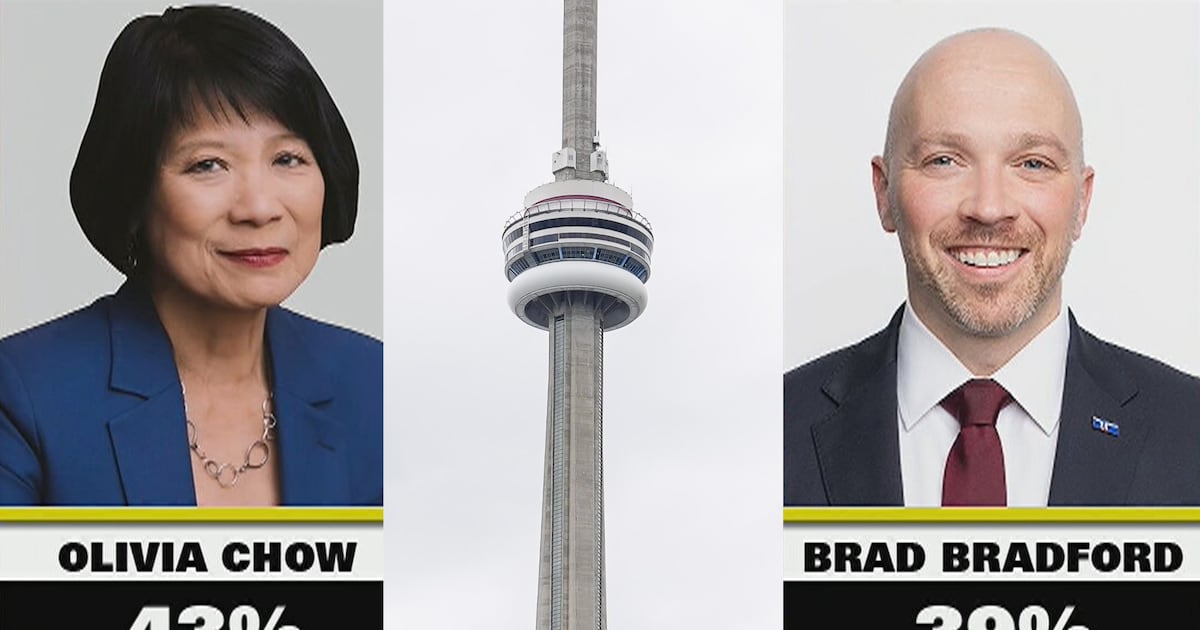
A new poll conducted exclusively for CP24 and CTV News Toronto shows Toronto's mayoral race is getting tighter. Nanos Polling surveyed 757 Toronto residents between Oct. 8 and Oct. 10 and found that among decided voters, 51 per cent would back incumbent Olivia Chow and 47 per cent would vote for Brad Bradford — a gap of about 3.5 points. Among decided and undecided voters, Chow stood at 43 per cent, Bradford at 39 per cent, one per cent backed another candidate and 17 per cent remained undecided.
The shift follows mayoral candidate Chris Alexander's announcement last week that he would drop out of the race. A Nanos poll published last week had shown Chow up nearly 10 points over Bradford among decided voters, when support for Alexander sat at about four per cent. Nik Nanos, founder and chief data scientist of Nanos Research, said Chow still leads, but Bradford "has cut her cushion to 3.5 points among decided voters."
By region, Chow draws strength from Toronto and East York, women and voters under 55, while Bradford fares better in North York, among men and voters aged 55 and older. Scarborough and Etobicoke/York are both extremely close, with more than 14 per cent of Scarborough voters and nearly 18 per cent in Etobicoke/York still undecided. Nanos said that with 17 per cent undecided, the race remains open. The survey has a margin of error of plus or minus 3.6 percentage points.
2. Family speaks at sentencing for driver who killed York Region father of three
Source: CP24
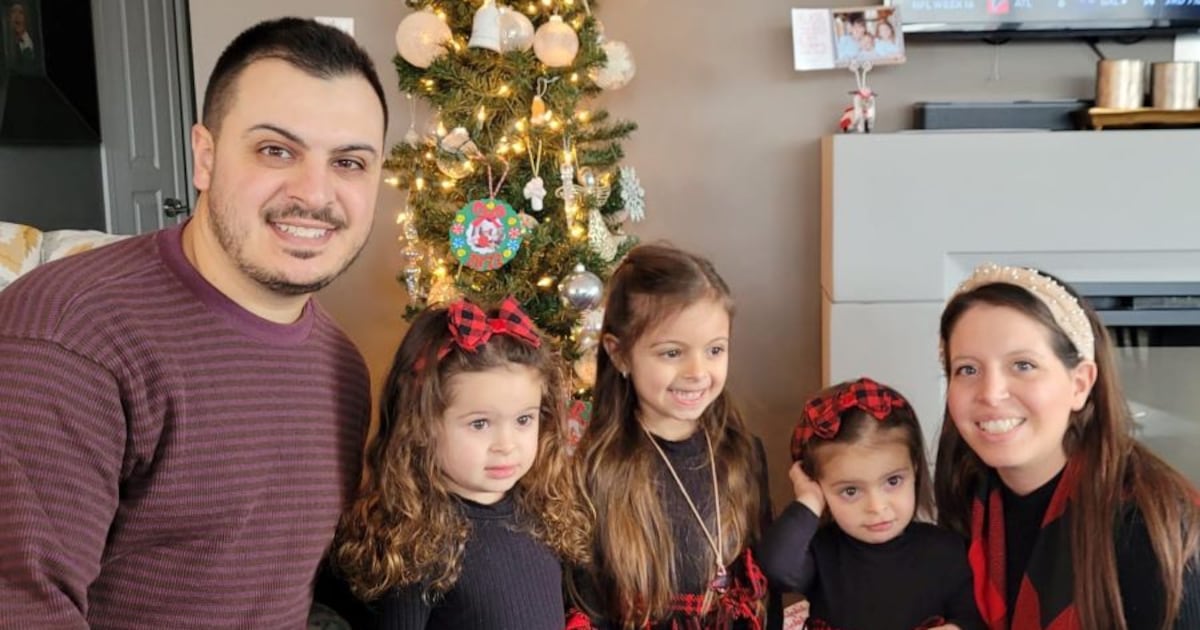
Relatives of a York Region father of three killed by a dangerous driver shed tears in a Newmarket courtroom on Tuesday as they described their loss. Danny Cristillo described his 35-year-old son Andrew Cristillo as "a man who built a rich, full, loving life for the people he loved the most." He said: "Andrew was my greatest gift. My joy. My pride. I miss his smile. I miss his voice. I miss his laughter." He also recalled buying a suit for his son's wedding, then returning to the same store nine years later to buy another suit — for his son's funeral: "A wedding suit. A funeral suit. Nine years apart. Both for the same son."
In a statement read on behalf of Andrew's three daughters, Leah, Chloe and Ella — who were 7, 6 and 4 at the time of the crash — his widow Christina described the day he died. Andrew had planned a day with "his little best friends," scootering around the neighbourhood, visiting a splash pad and then their grandparents' home, until the drive home, when "our world flipped upside down" and the family was left "broken, shattered, and living a nightmare." She described the rush to the hospital and how her daughters keep asking, "Where is Daddy?" Sometimes, she said, they tell his picture: "Daddy, I wish you could come back."
Jaiwin Kirubananthan pleaded guilty in April to dangerous driving causing death, failing to remain at the scene of a crash where death ensued, and three counts of dangerous operation of a vehicle. Court heard the crash happened in August 2025, when Andrew was driving on Highway 48 in Whitchurch-Stouffville and collided with Kirubananthan, who was 18 at the time. An agreed statement of facts said Kirubananthan was driving 136 km/h in the wrong direction on a highway posted at 80 km/h. Andrew was killed instantly; his wife pulled their three daughters from the wreckage, and each had broken bones and facial lacerations. First responders found Kirubananthan nine hours later lying in a potato field about 150 metres away. Court documents also show he was previously charged with dangerous operation of a motor vehicle over a January 2025 collision involving Ontario Premier Doug Ford. The premier has backed "Andrew's Law," which would introduce mandatory driving bans for motorists charged with dangerous driving until their trial is complete.
3. Winter heating bills set to soar for oil-heated homes
Source: CP24
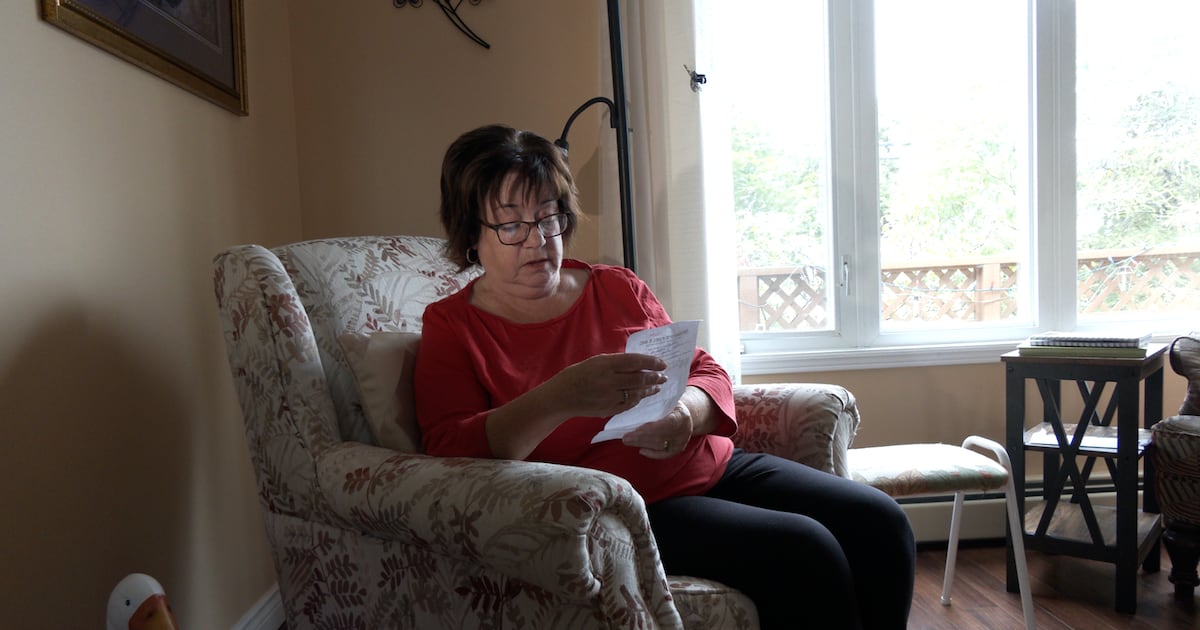
War in the Middle East is driving up fuel costs, and many Canadian households that heat with oil are facing a big jump in bills this winter. In St. John's, N.L., retiree Donna Lawlor is cutting back on travel, groceries and entertainment to keep her budget on track. On Oct. 3, furnace oil in St. John's cost $2.16 per litre — almost a whole dollar more than on the same day in 2025. She said she is raising her monthly heat budget from $300 to $400, adding: "My biggest fear is keeping the oil in the house."
The U.S. war with Iran that began in February disrupted the global oil market, sending prices to a three-year high. Prices peaked in May and, after a short slide in June, are elevated again just as Canadians turn their furnaces back on. Oil heat is favoured in Quebec and Atlantic Canada, and is highest on P.E.I., where more than half of homes relied on oil furnaces in 2020. At Oct. 3 prices in St. John's, a standard 900-litre tank costs $1,950 to fill, or about $2,240 with taxes.
The high bills and tax shares have renewed calls for federal and provincial governments to remove more taxes from home heating products. Dan MacTeague, head of the Canadians for Affordable Energy lobby group, noted the Carney government moved a little on the federal excise tax, but the effect was only to drop diesel prices four cents per litre: "We're flirting with three dollars a litre, not four cents." A Home Heating Supplement in Newfoundland and Labrador gives $500 back to families such as Lawlor's, provided their 2025 income was under $150,000; the province also promises a 15 per cent break on electrical bills if the renegotiated Churchill Falls hydro deal is finalized.
4. Two men charged after deadly Scarborough crash
Source: CP24
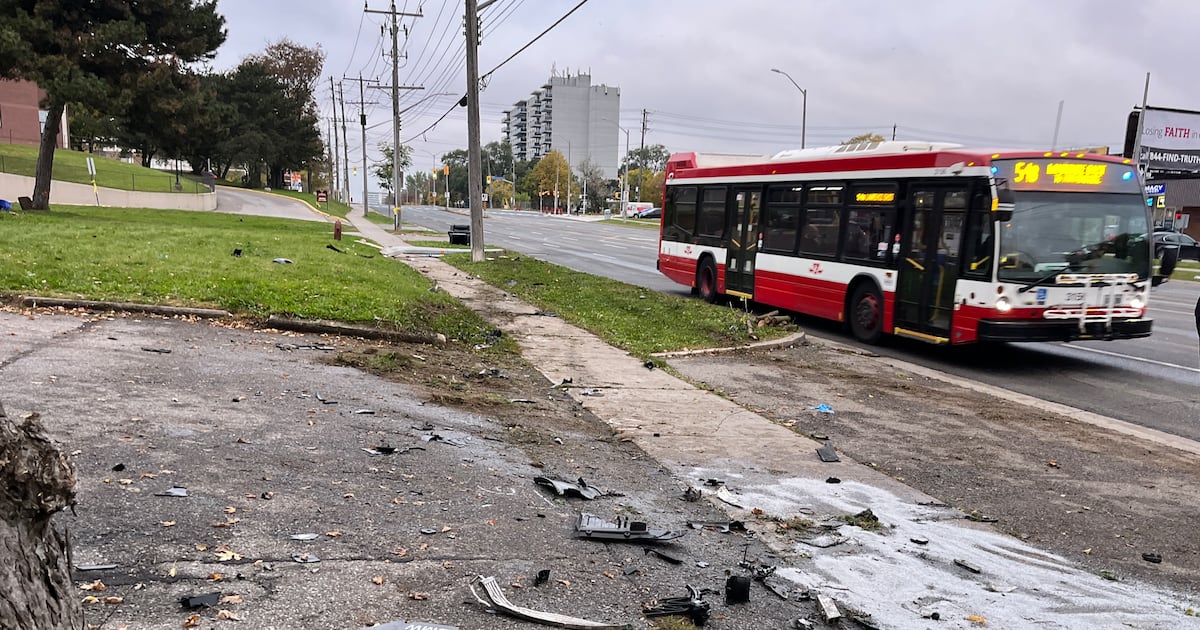
Toronto police have charged two men after a two-vehicle crash in Scarborough left a 68-year-old woman dead. Police said emergency crews were called to Lawrence Avenue East and Scarborough Golf Club Road shortly before 10 p.m. Sunday. Investigators said a BMW 750i was headed east on Lawrence Avenue when it collided with a westbound Ford Escape that was making a left turn into a driveway. A passenger in the Ford was taken to hospital, where they later died; two males were also taken to hospital with serious but non-life-threatening injuries.
In an update Tuesday, investigators said they charged 34-year-old Florin Mitea with dangerous operation of a conveyance causing bodily harm, dangerous operation of a conveyance causing death, and obstructing a peace officer. Gabriel Mitea, 25, was also charged with obstructing a peace officer. Police released no other details, said the investigation is ongoing, and asked residents, businesses and drivers with security or dash camera footage of the area or incident to contact investigators.
5. Inquest into Toronto woman's balcony death begins; she had seizures that day
Source: CP24
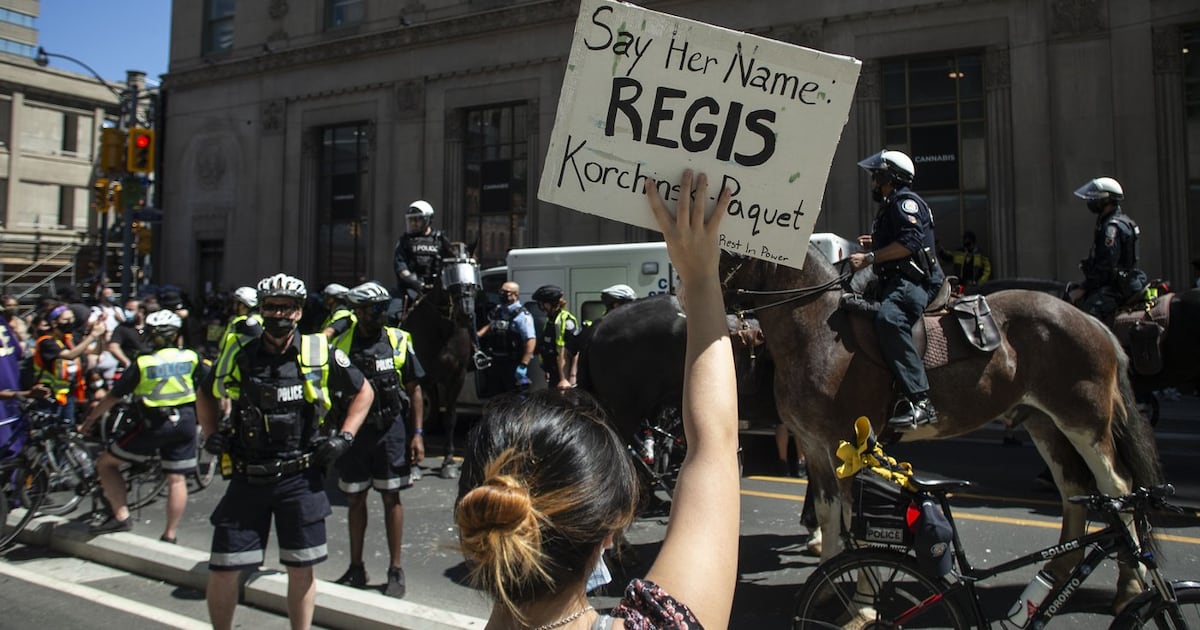
A coroner's inquest into the death of a Toronto woman who fell from a highrise balcony while police were in her home has begun. The inquest heard that Regis Korchinski-Paquet had a long history of seizures due to epilepsy and had experienced some earlier that day. Korchinski-Paquet, who had Ukrainian, Black and Indigenous ancestry, died on May 27, 2020, aged 29, after police responded to calls about a family dispute at her apartment.
An agreed statement of fact read at the inquest said police and paramedics had been called on multiple occasions in preceding years, some related to her seizures. Medical records showed her seizures were often followed by symptoms such as "confusion, irritability, physically and verbally abusive behaviour and episodic amnesia." Inquest counsel Roger Shallow said the inquest will examine how police and first responders are informed about epilepsy and how to ensure safety when a person's behaviour may be influenced by postictal delirium, but will not look into general mental health or psychiatric care, or police watchdogs' investigations.
Shallow called her death "sudden and profoundly tragic," saying: "Regis Paquet was not an incident. She was not a file number... She was a daughter, a sister, an auntie, a member of a family." Ontario's Special Investigations Unit investigated and cleared Toronto police of wrongdoing, finding she fell as she tried to move from her apartment balcony to an adjacent one. The inquest is slated to last 14 days, with 13 witnesses expected. The jury does not assign criminal responsibility but may make recommendations to prevent similar deaths; the chief coroner's office cannot impose them.
6. Richmond Hill ransomware negotiator arrested in U.S. amid FBI crackdown
Source: CP24
A Canadian ransomware negotiator was arrested Thursday and faces unspecified extortion charges, according to court documents, prison records and a person familiar with the matter, as the FBI cracks down on a hacking group that stole information about its employees. Court documents filed with the Eastern District of Pennsylvania, which covers Philadelphia, show Edward Dubrovsky faces charges of conspiracy to "threaten to impair the confidentiality of information with intent to extort money" and "interference with commerce."
The partially sealed records give conflicting spellings of his last name and do not identify his age, profession or employer. A person briefed on the matter said he is Canadian cybersecurity executive Edward Dubrovsky. Records show a 54-year-old named Edward Dubrovsky is being detained at a federal detention centre in Philadelphia, and leaked wallet records identify him as a resident of Richmond Hill, north of Toronto. On LinkedIn, Dubrovsky presents himself as a specialist in negotiating ransom payments with cybercriminals; his company, CyberSteward, advertises expertise in "threat actor engagement, cyber-extortions, complex negotiations, and settlement facilitation."
News of the arrest was earlier reported by Politico and independent journalist Brian Krebs. It comes as the FBI leads a global crackdown on the hacking group ShinyHunters, which rattled the bureau last month by stealing information on what it said was nearly every FBI employee. When Reuters asked the FBI about the arrest, it referred the agency to Director Kash Patel's statement on Friday and declined further comment.
7. Man arrested in connection with Mississauga stabbing
Source: CP24
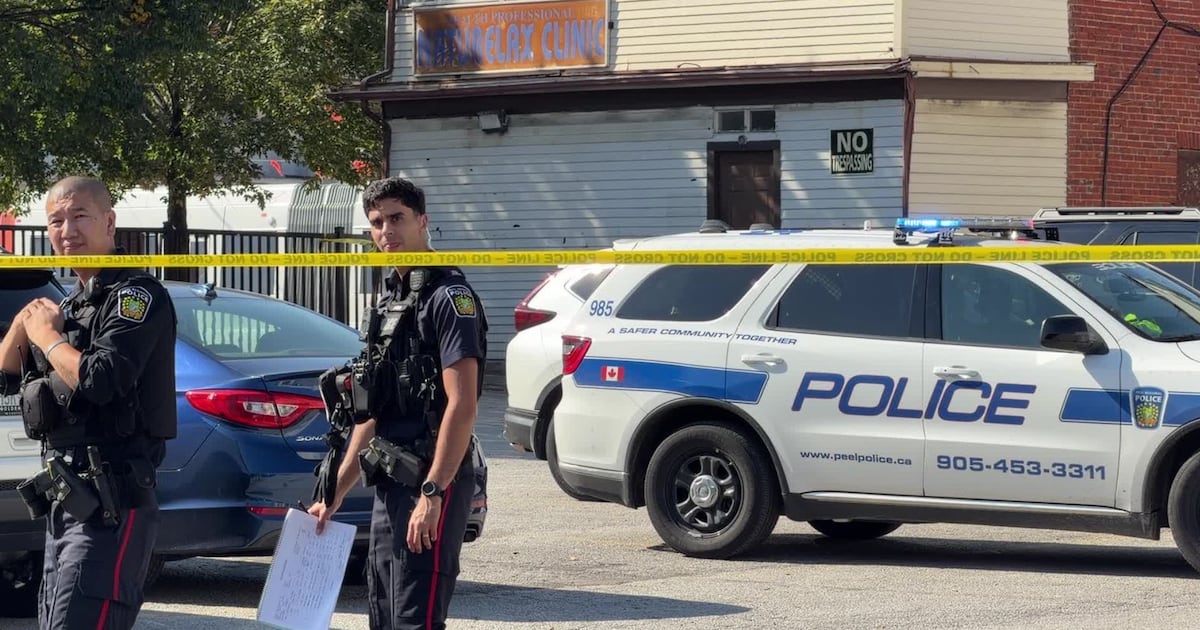
Peel Regional Police say a suspect in a Mississauga stabbing has been arrested.
Police said they arrived at Hurontario Street and Dundas Street at 12:40 p.m., where they say a man had been stabbed. The victim was taken to a local hospital, where he is now in stable condition.
8. Northwestern Ontario to move to permanent daylight time
Source: CP24
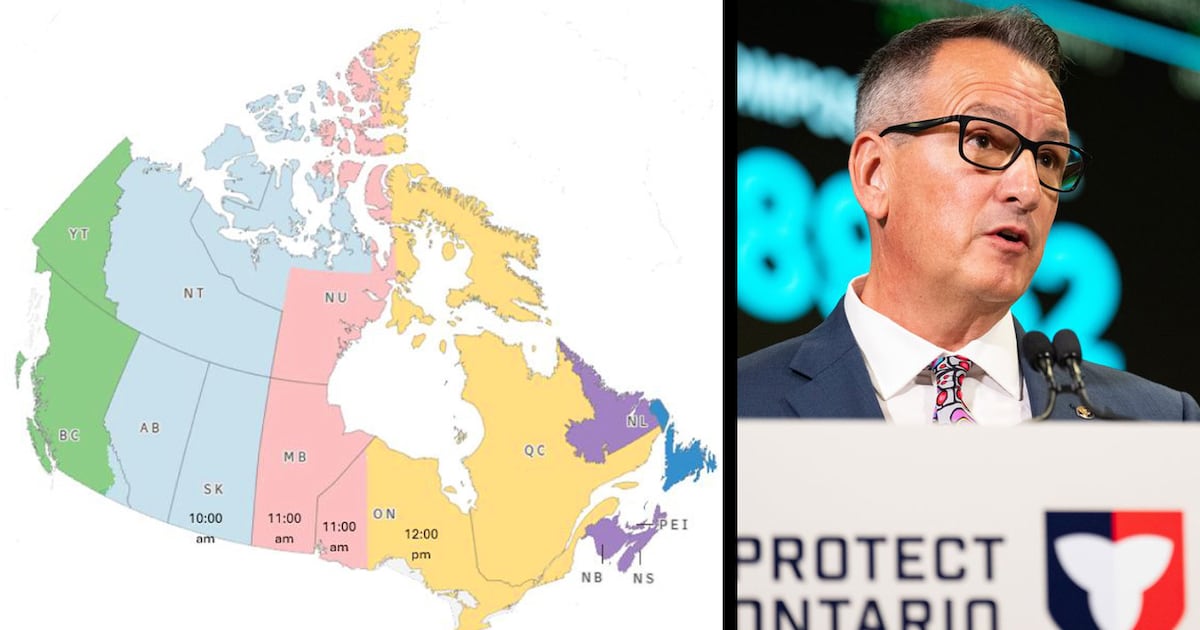
Ontario is set to move parts of its northwest region to permanent daylight time to align with Manitoba. Indigenous Affairs Minister Greg Rickford told The Canadian Press there is overwhelming consensus among municipalities, First Nations and businesses to make the change permanent. He said the province intends to make a regulatory change in the Time Act on Nov. 1 to allow regions west of the 90th meridian to align with Manitoba.
Manitoba Premier Wab Kinew announced last month that his province would stop twice-annual clock changes and stay on daylight time year-round in the central time zone, leaving it an hour ahead of the other Prairie provinces. Rickford said that "put northwestern Ontario, who sits in the central standard time zone, in a bit of a spot." He said the province had three options: shift to eastern time to align with the rest of Ontario; keep changing clocks but fall out of step with the rest of Ontario and Manitoba; or "the other option... we took by unanimous consensus" — not changing clocks and going to what he calls "Wab Kinew time."
Rickford said the province consulted municipalities, businesses and First Nations and got feedback that was "overwhelmingly unanimous, 90 to 94 per cent from every survey." New Democrat Sol Mamakwa, who represents Kiiwetinoong — home to the majority of Ontario's remote, fly-in First Nations — also helped, and said he is happy the push for permanent daylight time will be implemented. British Columbia said in March it was moving to permanent Pacific daylight time, and Alberta also switched to permanent daylight time this year in what it calls Alberta time, matching Saskatchewan year-round.
9. Advance voting opens across Alberta in historic separation referendum
Source: CP24
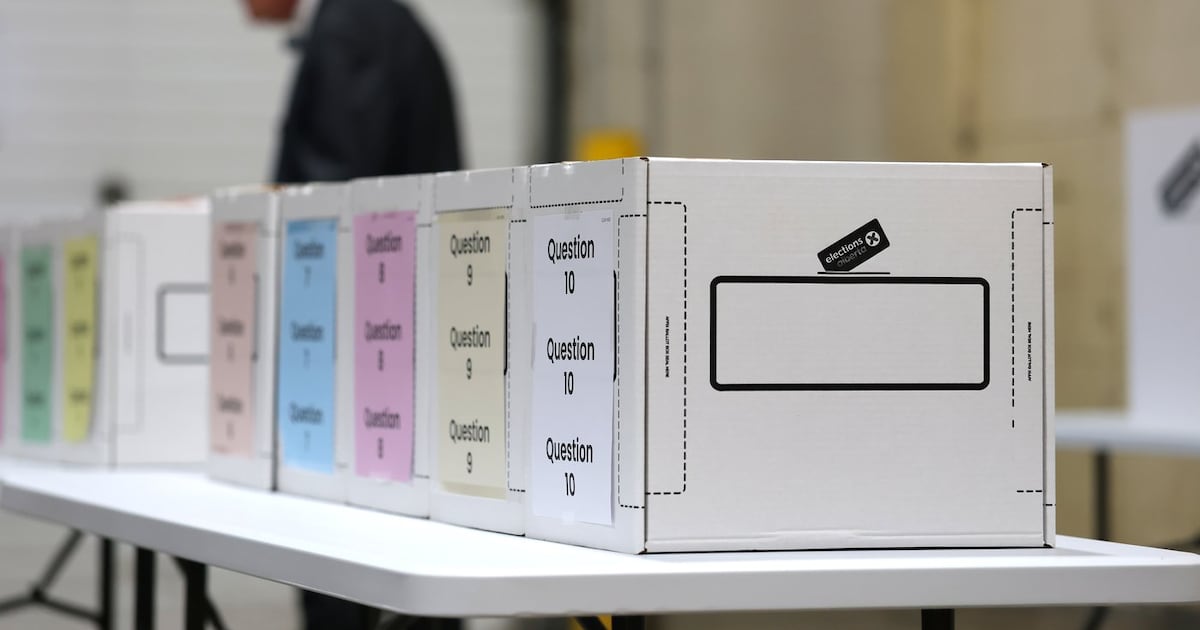
Albertans began lining up and casting ballots Tuesday in the province's historic vote on separation. Elections Alberta opened 310 polling stations for the first of five days of advance voting ahead of the official polling day on Oct. 19. At one downtown Edmonton station, the line stretched almost half a block after doors opened at 9 a.m., with voters spending between 30 minutes and an hour to cast ballots.
Premier Danielle Smith has put 10 questions to a vote, including whether Alberta should remain in Canada or hold a second, binding referendum on quitting Confederation. Some voters wore hats or sweaters with the Canadian flag. Christopher Hashmi called separation "obviously a bad idea," saying Alberta would only be more vulnerable to U.S. and oil-and-gas interests if it went its own way. Lizzy Somerville said patriotism inspired her to vote to stay in Canada: "Canada works better together." For Samara O'Hagan, the issue comes down to land rights: "I'm Indigenous, so it's very important to me... It would just be totally wrong, essentially stealing land from Indigenous people."
The other nine questions concern immigration reform and the Constitution. Somerville said she voted against all but one of Smith's proposals, backing a push to lobby other provinces to abolish the Senate; Hashmi said he voted "no to the nine," a slogan used by critics. Elections Alberta saw record interest in special ballots, with roughly 658,000 Albertans requesting to vote by mail. Spokesperson Michelle Gurney said about 391,000 mail-in ballots had been returned as of Monday evening, ahead of Friday's 5 p.m. deadline, and that about 46,000 workers have been hired to facilitate the vote and hand count ballots, against a target of 60,000.
10. B.C.'s pink salmon boom fuels debate as salmon farm ban looms
Source: CP24
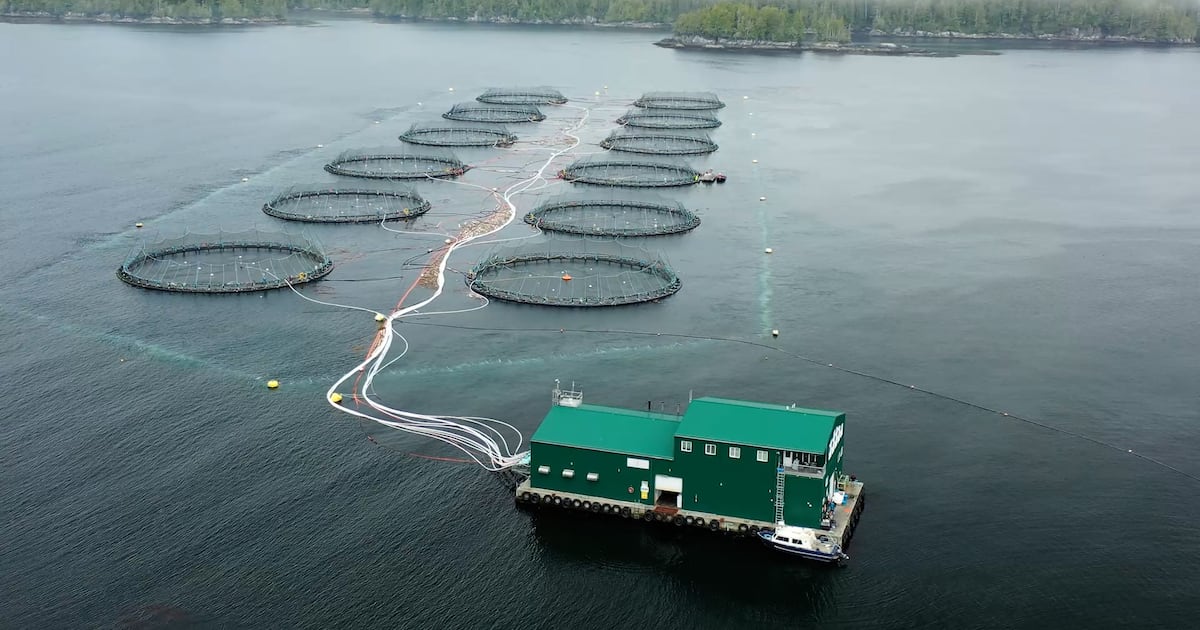
Millions more salmon are returning to spawn up British Columbia's Fraser River, but exactly why is hotly disputed — and the answer could have major implications for wild stocks and coastal communities. Some First Nations, with environmental groups, attribute the surge to the shutdown of dozens of salmon farms and are urging Ottawa to enact a promised ban on the rest by 2029. But a W5 investigation revealed a confidential internal assessment in which federal scientists said salmon farming poses "minimal risk" to wild stocks and recommended reopening some farms, even as the government itself is not outwardly committing to the ban.
In a statement to W5, the Department of Fisheries and Oceans said: "Farm presence (or absence) is only one of many variables, and current evidence does not demonstrate a causal link." Another scientist suggested pink salmon may simply be doing better than other species in warming oceans. A lot hinges on getting the science right: coastal communities are bracing for more closures that could shed hundreds more jobs in what was once a billion-dollar industry, affect a valued way of life for First Nations and change what Canadians put on their plates.
In the waters off the Discovery Islands, about 200 km northwest of Vancouver, researcher Jody Erickson said a seine net can catch hundreds of young salmon smolts at a time, "very happy and healthy-looking fish... No lice" — a far cry from a decade ago, when he saw juveniles laden with parasites. The islands were singled out by the 2009 Cohen Commission; in 2019 Ottawa refused dozens of licences around the Discovery Islands and, as a precaution, the nearby Broughton Archipelago, and about half of B.C.'s salmon farms are now gone. But Kaitlin Guitard of Mowi Canada West said she lost hundreds of co-workers, and Brian Kingzett of the B.C. Salmon Farmers Association said the industry "lost 45 per cent of our production." Pacific Salmon Commission figures show pink salmon doubled since 2019, from about 8.5 million to 17.7 million in 2025. The DFO advised the fisheries minister in 2023 to re-licence all 15 Discovery Islands farms, but the licences were not re-issued; in 2024 Ottawa proposed a draft transition plan to ban open net pen farming by 2029, but no final plan has been released since.
More News
- Finance Evening | October 13, 2026 — IMF Warns of AI Bubble Risk as US Stocks Edge Lower
- Maple Express | October 13, 2026: Toronto Advance Voting Hits Record High
- Global Express | October 13, 2026 — Drones Hit Two Cargo Ships in Black Sea, One Sinks With 11 Sailors Missing
- Finance Morning | October 13, 2026 — AI Trade Pullback Slams Asia-Pacific Stocks; KOSPI Falls 5.46% With Circuit Breaker
- Tech Express | October 13, 2026 — DeepSeek Doubles Its Round to About RMB 100 Billion
Comments (0)
View More
 -64%
-64%Tineco Floor One S3 Extreme Cordless Wet/Dry Vacuum & Mop — Vacuum and Mop in One Pass with iLoop Smart Sensor! $199.99 CAD (64% Off)
 -17%
-17%Lenovo IdeaPad Duet 3 Chromebook — 11" 2K Touchscreen 2-in-1! $399.99 CAD (17% Off)
 -43%
-43%Charmin Ultra Soft Toilet Paper, 24 Mega Rolls (= 96 Regular) — Stock Up Big! $39.29 CAD (42% Off)
 -31%
-31%Travelpro Maxlite Air V2 Hardside Expandable 25" — Stack the $28.35 Coupon! $188.99 CAD (30% Off)
 Finance Evening
Finance Evening | October 13, 2026 — IMF Warns of AI Bubble Risk as US Stocks Edge Lower
 Finance Morning
Finance Morning | October 13, 2026 — AI Trade Pullback Slams Asia-Pacific Stocks; KOSPI Falls 5.46% With Circuit Breaker
-64%Tineco Floor One S3 Extreme Cordless Wet/Dry Vacuum & Mop — Vacuum and Mop in One Pass with iLoop Smart Sensor! $199.99 CAD (64% Off)
Best Buy
-17%Lenovo IdeaPad Duet 3 Chromebook — 11" 2K Touchscreen 2-in-1! $399.99 CAD (17% Off)
Amazon
-43%Charmin Ultra Soft Toilet Paper, 24 Mega Rolls (= 96 Regular) — Stock Up Big! $39.29 CAD (42% Off)
Amazon
-31%Travelpro Maxlite Air V2 Hardside Expandable 25" — Stack the $28.35 Coupon! $188.99 CAD (30% Off)
Amazon
Finance EveningFinance Evening | October 13, 2026 — IMF Warns of AI Bubble Risk as US Stocks Edge Lower
Finance Morning